
Contents
More on Red Light
Red Light Therapy at Home: Placement, Distance, and Session Length
Where the device should live, how far to sit, how to calculate session length, and the routine mistakes that quietly cancel a home red light setup.
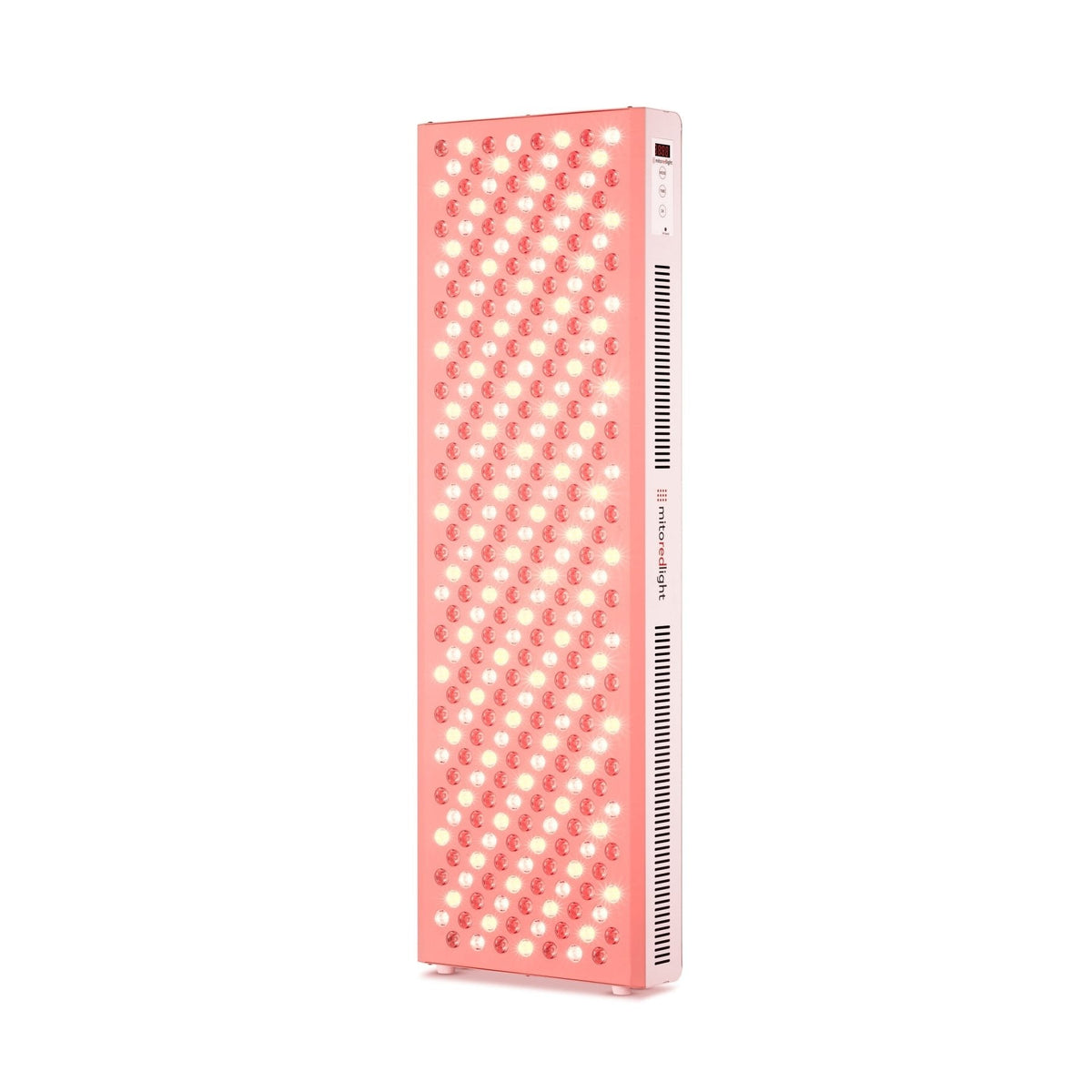
Using red light therapy at home comes down to four decisions: where the device lives, how far you sit from it, how long each session runs, and which days it happens. Get those right and a home panel delivers the same doses used in research. Get them wrong and the same device is an expensive glow.
Our red light therapy guide covers the evidence and how to choose a device. This one assumes the box has arrived and covers everything after: setup, distance, dosing, and the routine that makes it stick.
Where should a red light panel go?
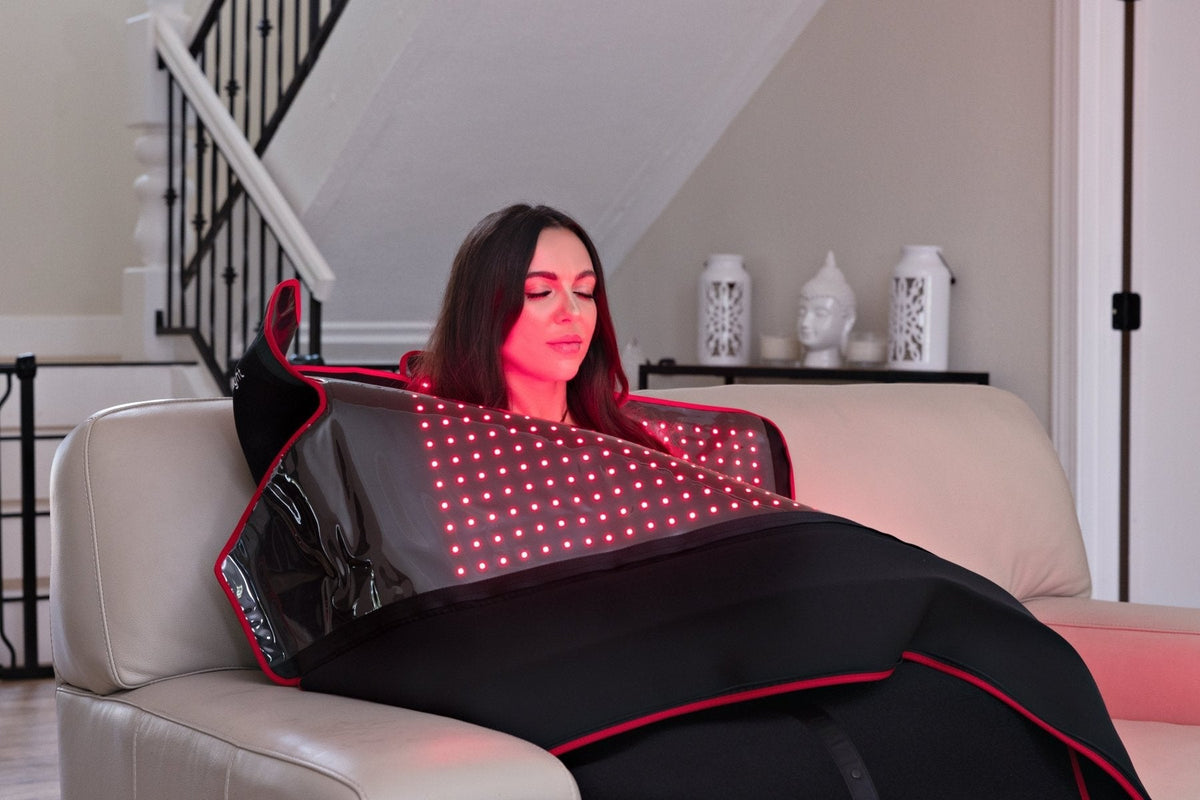
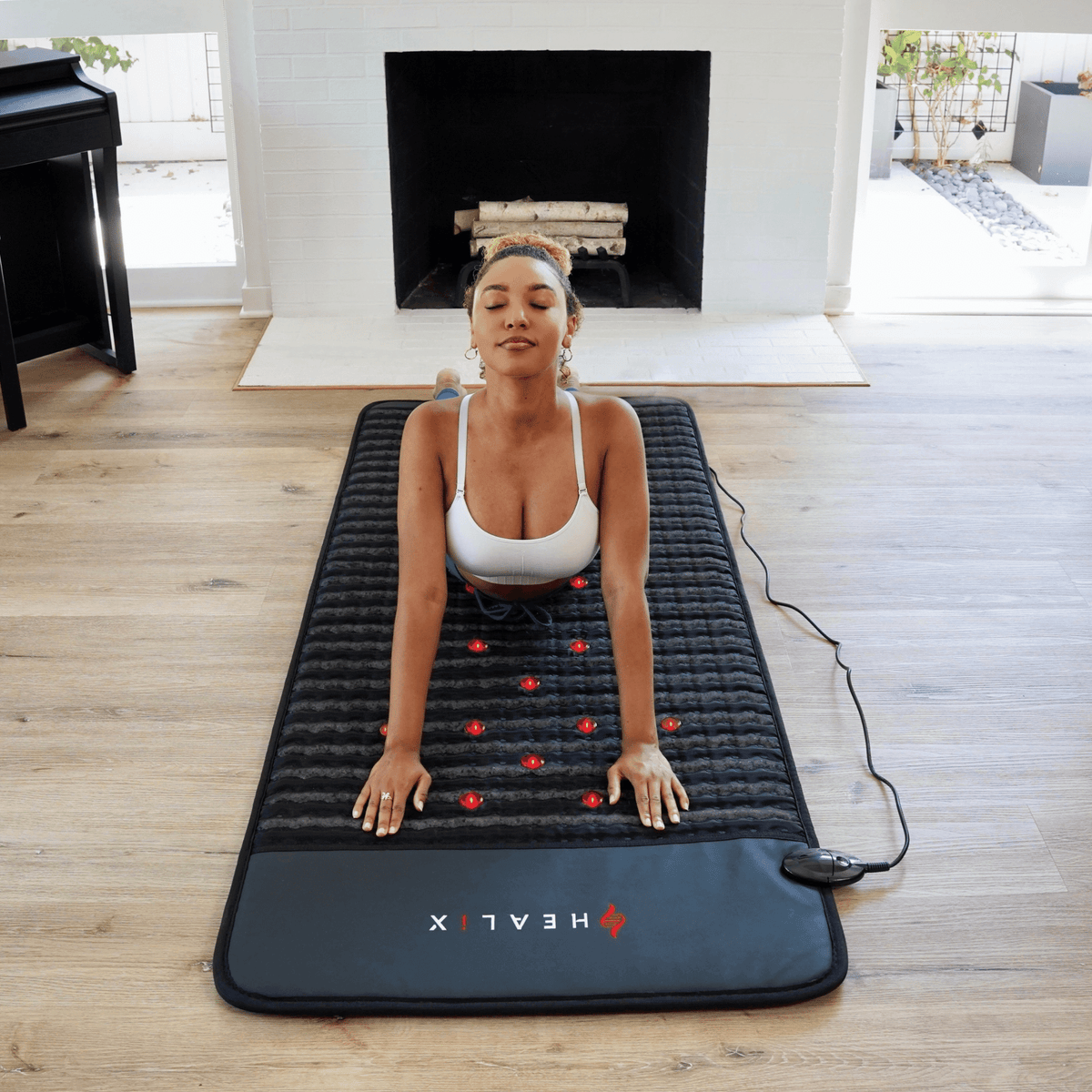
The best location is the one already inside a daily habit. A panel in a spare room you never enter produces zero sessions a week. The setups that survive, in rough order of popularity: beside the bed for a morning or evening session, in a bathroom for the skincare slot, next to a desk for a work-break session, and in a home gym beside the training you already do. Panels need a grounded outlet and a few inches of clearance for airflow, nothing more. Wearables, belts, and pads are even simpler: they live where you sit.
How far should you sit from the panel?
Sit at the distance where the manufacturer measured irradiance, because that is the only distance where the published number is true. For most panels that is six inches. The physics is unforgiving: intensity falls with the square of distance, so doubling your distance cuts the delivered power to roughly a quarter. Sitting a relaxed arm's length from a panel measured at six inches means receiving a fraction of the dose you paid for.
| Device type | Working distance | Typical session |
|---|---|---|
| Panels (MitoPRO+, MitoMID 2.0, MitoMAX 2.0) | 6 inches, where output is lab measured | 5 to 15 minutes per area |
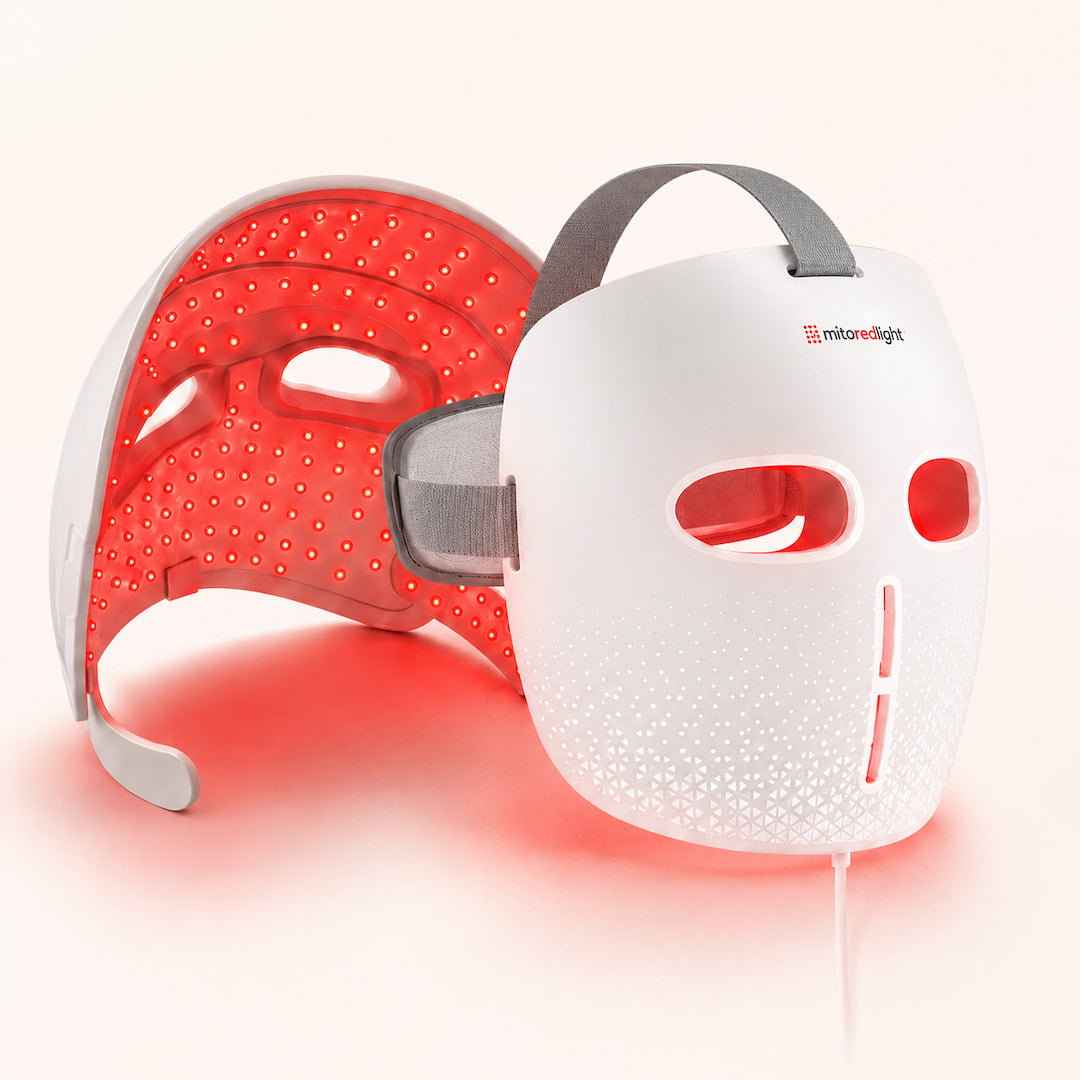
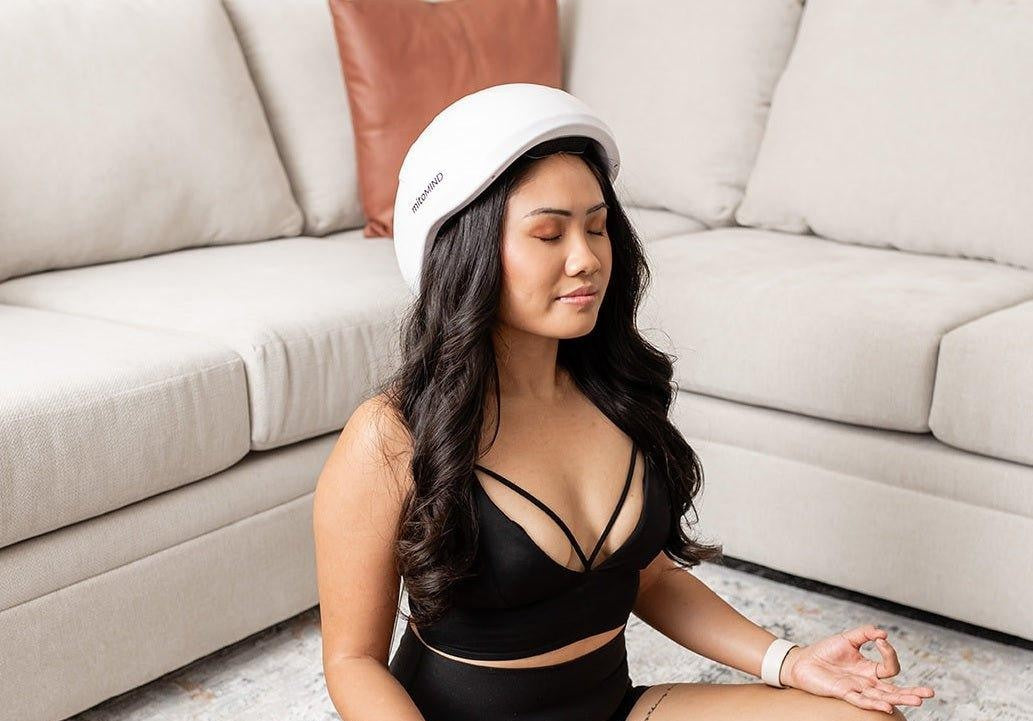
| Face mask (MitoGLOW) | Worn; distance is built in | 5 to 10 minutes |
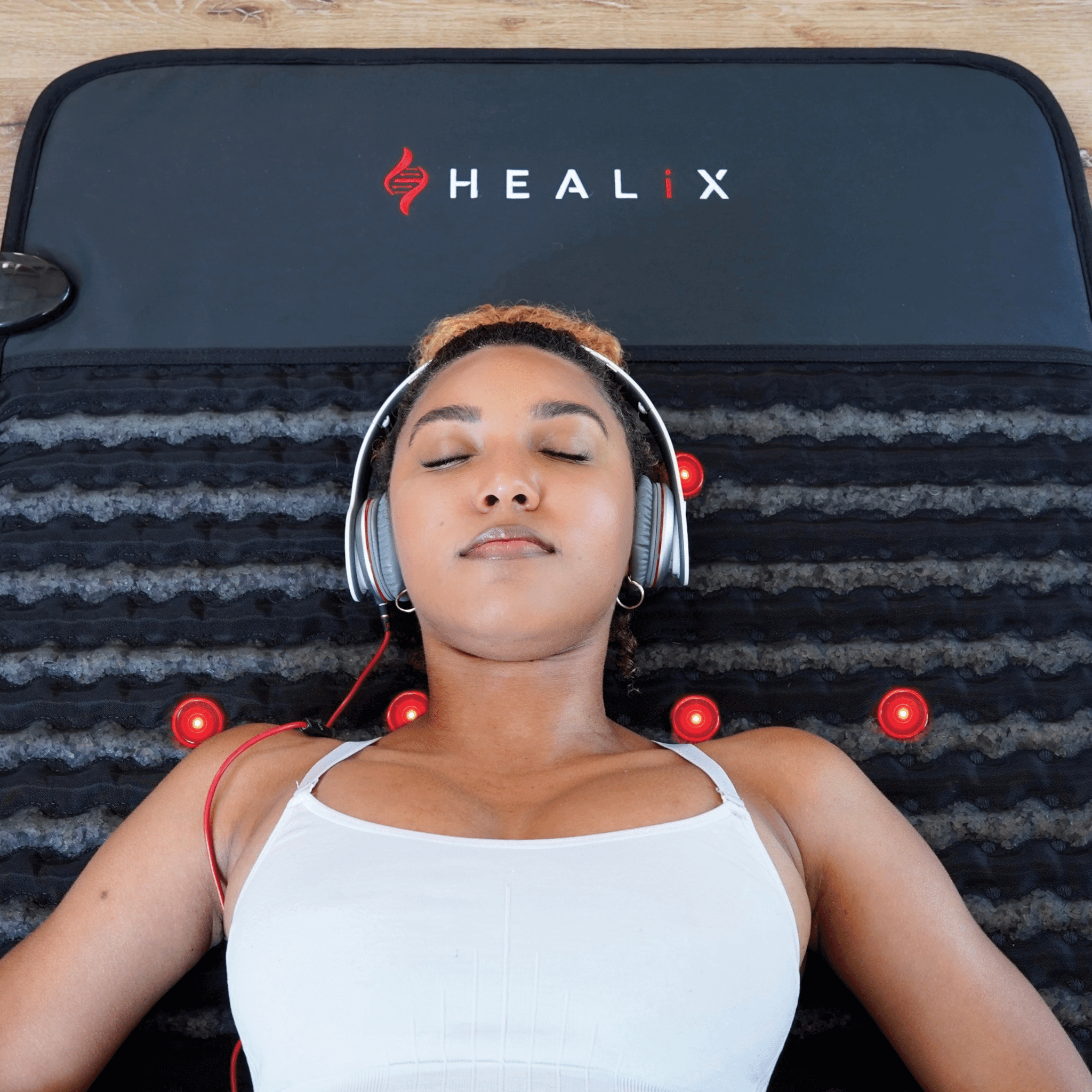
| Pads and belts (TheraPerfect Pad, MitoQUAD) | Against the body | 15 to 20 minutes |
| Wraps and pods (MitoPOD, HEALiX Glow Pod) | Surround the body | 15 to 25 minutes |
How long should a session be?
Work it out once for your device and stop guessing. Dose in joules per square centimeter equals irradiance in mW/cm² multiplied by seconds, divided by 1,000. A panel delivering 70 mW/cm² at six inches provides about 4.2 J/cm² per minute, so a 3 to 10 J/cm² skin-range dose takes one to three minutes per area, and a deeper-tissue dose in ten. That is why high-output panels run short sessions, and why a gentle 18 mW/cm² wearable like the MitoQUAD sensibly runs 15 to 20 minutes. More time past the target dose does not add benefit, which is the most common home mistake and the easiest to fix.
Skin, distance, and clothing
Light has to reach skin. Fabric blocks most of it, so the target area is bare, and anything between you and the panel, including most sunscreens and makeup for facial sessions, reduces what arrives. Eye protection matters in front of high-output panels; most ship with goggles, and masks with built-in shields handle it for you. The session should feel like gentle warmth at most. Actual heat means you are too close or the room is.
What does a weekly routine look like?
Three to five sessions a week, same time slot each day, 8 to 12 weeks before judging skin results. A realistic split for one panel: face or target area in the morning slot on training days, full-body coverage on two rest days. People with a modular panel like the MitoPRO+ series often start with one panel for targeted work and link a second later for full-body sessions, which beats buying the biggest panel first and using it rarely.
Common home mistakes
- Drifting backward. The couch is comfortable and eight feet from the panel. Mark the six-inch position and use it.
- Marathon sessions. Past the effective dose, extra minutes add nothing. Ten focused minutes beats forty distracted ones.
- Through-clothing sessions. A session in a t-shirt is a session for the t-shirt.
- Quitting at week three. Recovery studies measure shorter timelines; skin research runs 8 to 12 weeks. Put a retest date on the calendar before you start.
- No fixed slot. "When I remember" averages to almost never. Attach sessions to an existing habit.
Frequently asked questions
Can you use red light therapy at home every day?
Daily use is common with wearables and pads, and fine with panels when sessions stay near the target dose. Most protocols land on three to five sessions a week as the sustainable pattern.
What time of day is best for red light therapy?
The best time for red light therapy is the time you will keep. Morning sessions pair well with routines and evening sessions with relaxing before bed; the research does not crown a winner, so consistency decides.
Can you do red light therapy in a bright room?
Yes. Ambient light does not cancel the dose. A dim room makes high-output panels more comfortable to sit near.
How do you know it is working?
Recovery studies typically measure changes over days to weeks. For skin, photograph the target area before starting and compare at week 8 to 12 under the same lighting, which beats memory every time.
Does a home panel cost much to run?
No. A 300 watt panel running ten minutes uses about 0.05 kilowatt hours, a few cents per session even at high electricity rates.
Can two people share one panel?
Yes, two people can share one panel easily, since sessions are minutes long. Shared use is the quiet argument for a full-body panel like the MitoMAX 2.0 over two small devices.
Home routine in brief
Put the device inside an existing habit, sit at the measured distance, run the calculated minutes, and hold the routine for two to three months. The device matters less than the discipline, which is good news, because the discipline is free. The panels and wearables in the red light collection list their output numbers in the Specs section of each product page, with free US shipping and the Price Beat guarantee.