
Contents
More on Red Light
FDA-Cleared Red Light Therapy Devices and What Clearance Means
FDA cleared, FDA registered, and FDA approved are three different claims. What each one means for a red light device, how to verify it, and which devices carry which status.
FDA cleared means a specific device went through a 510(k) review and the FDA agreed it is substantially equivalent to a legally marketed device for a stated use. FDA registered only means a company or factory is listed with the FDA, with no device review involved. Almost no consumer red light device is FDA approved, and any brand using that phrase casually is overselling.
Red light therapy marketing leans on regulatory language harder than almost any other wellness category, and the three FDA phrases get blurred together constantly, sometimes by accident and sometimes on purpose. This guide separates them, shows you how to verify any brand's claim yourself in about two minutes, and states plainly which status applies to our products.
The three phrases, untangled
FDA cleared
A manufacturer submitted a 510(k) premarket notification for one specific device, and the FDA reviewed it and agreed it is substantially equivalent to a device already legally on the market for the same intended use. Clearance is tied to that device and that use. It is a real regulatory review with a paper trail: every clearance gets a K-number you can look up.
FDA registered
The company or its factory is listed in the FDA's establishment registration database, which manufacturers of regulated products are required to do. Registration involves no review of any device. A phrase like "manufactured in an FDA registered facility" is describing paperwork status, not product evaluation. It is not meaningless, it signals the manufacturer operates inside the regulated system, but it is a categorically weaker claim than clearance, and marketing that blurs the two is counting on you not knowing the difference.
FDA approved
Approval is the FDA's most demanding pathway, reserved for products that must prove safety and effectiveness with clinical evidence, mostly drugs and high-risk medical devices. Consumer light panels essentially never go through it. When a red light brand says "FDA approved," the generous reading is sloppiness.
How to verify a clearance claim yourself
This takes two minutes and settles any argument.
- Ask the brand for the K-number of the clearance. A brand with a real 510(k) knows its number and will hand it over.
- Search the FDA's public 510(k) database for that number or the company name. The listing shows the device name, the date, and the cleared intended use.
- Read the intended use line. This is the part people skip: a clearance is for a stated use, and the device in the listing should be the device being sold, not a cousin from the same factory.
If a brand cannot produce a K-number, the accurate description of that device is registered at best, and you can weigh it accordingly.
What clearance does and does not tell you
Clearance cuts both ways.
- What it tells you: the device was reviewed against a legally marketed predicate for a specific use, the manufacturer engaged with the regulatory process, and the claims on the box had to survive review.
- What it does not tell you: that the device outperforms an uncleared one, that it delivers more light, or that every marketing claim around it is cleared. Clearance is a floor of accountability, not a performance award. A registered-only panel with independently verified irradiance can absolutely deliver more usable light than a cleared mask.
The practical buying logic: use clearance as one trust signal among several, alongside published wavelengths, irradiance at a stated distance, third-party output verification, and warranty terms. Our red light therapy guide covers that full checklist.
Where the devices at Kove stand
We state each device's actual status on its product page, using the FDA's own vocabulary. As of August 2026:
| Device | Regulatory status as published |
|---|---|
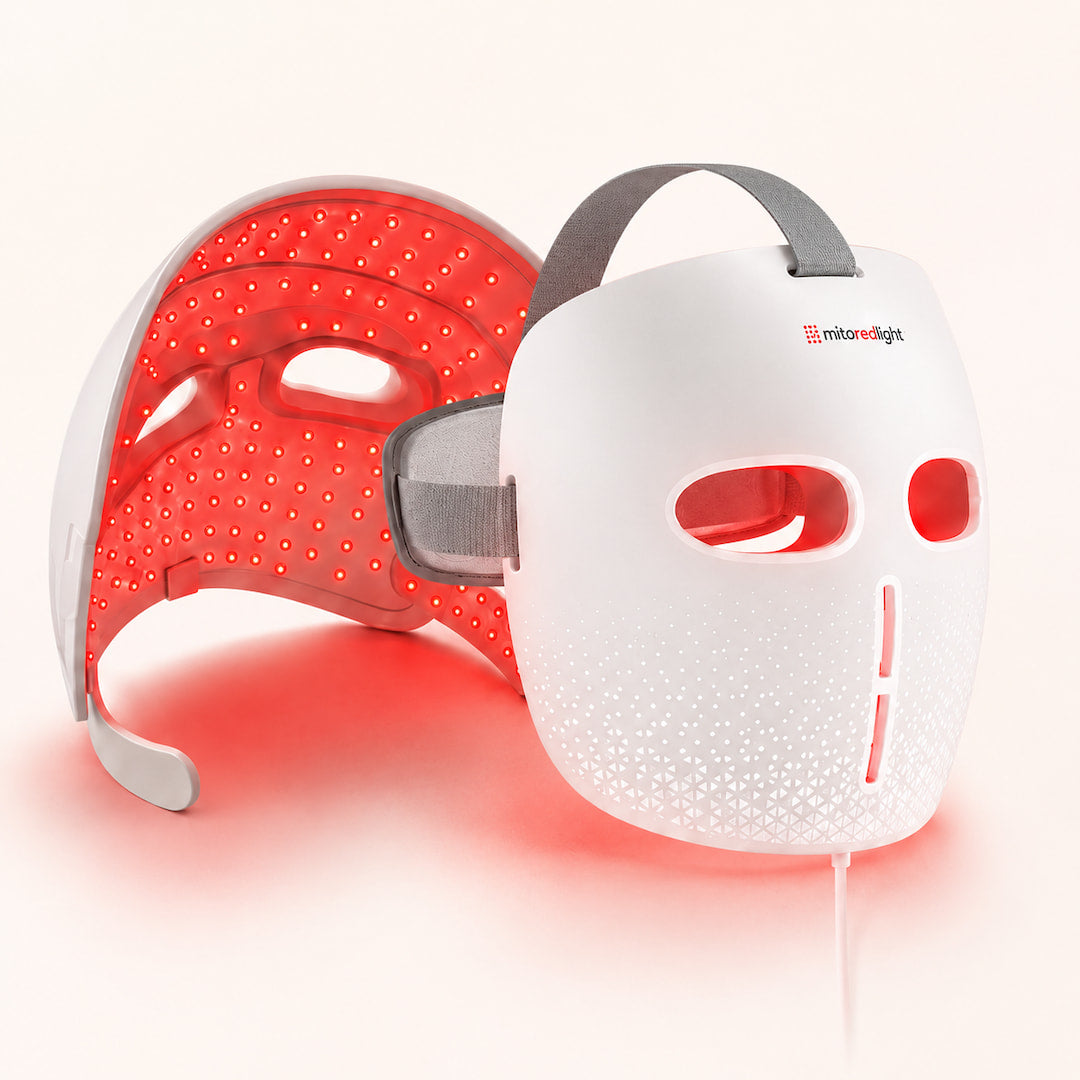
| MitoGLOW LED Face Mask | FDA 510(k) cleared, FDA Class II registered |
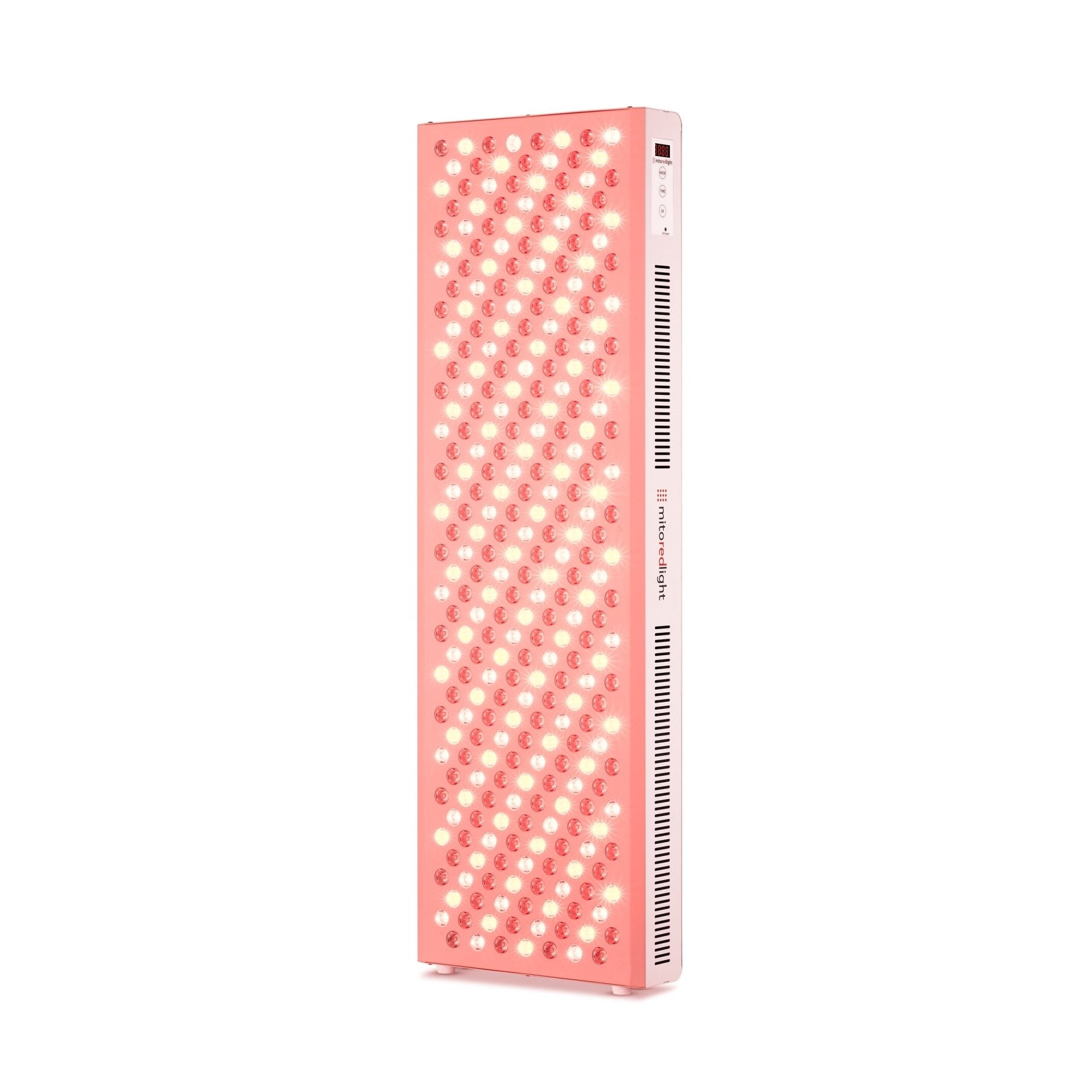
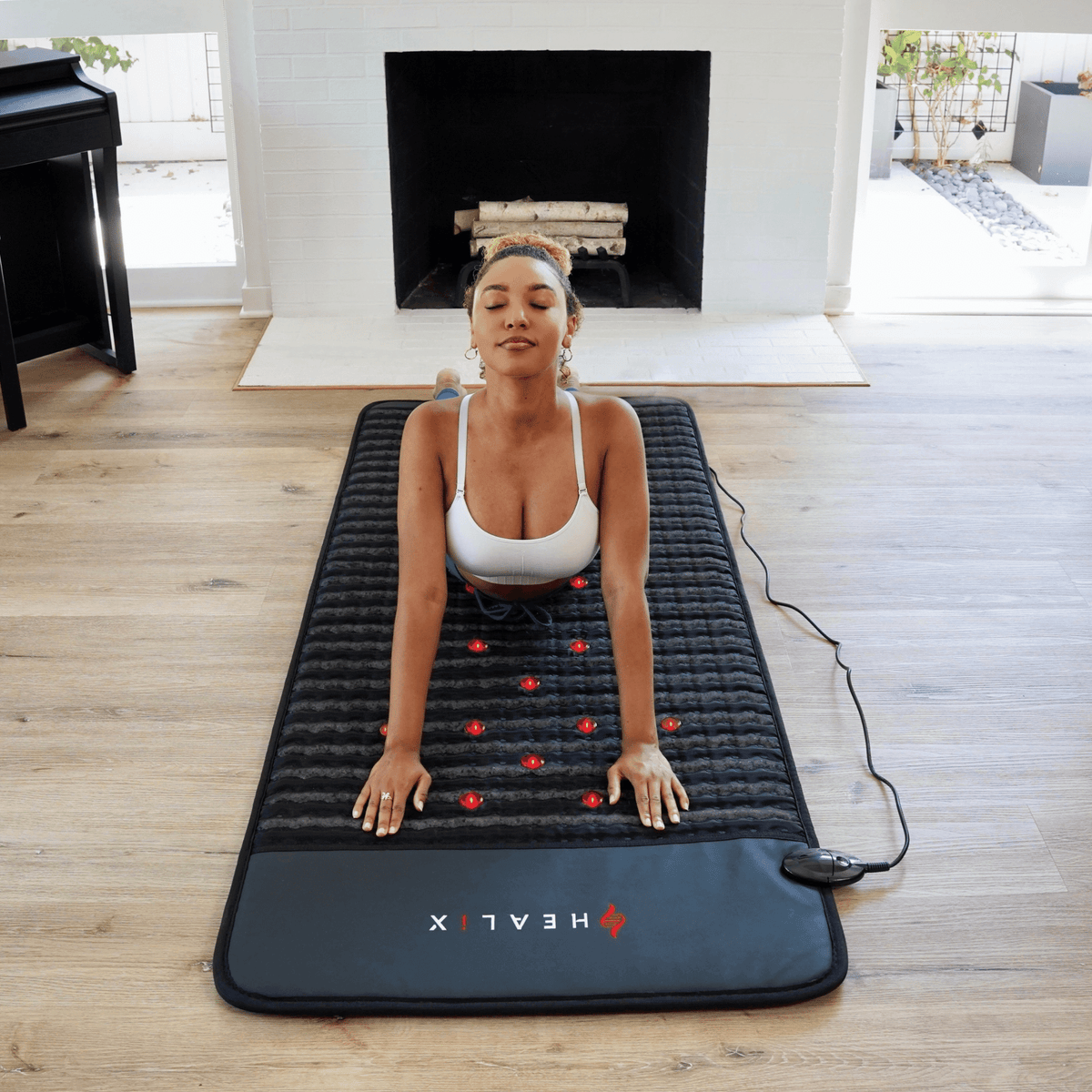
| MitoPRO+ Panel Series, MitoMID 2.0, MitoMAX 2.0, MitoMEGA 2.0 | FDA Class II registered, ETL listed, third-party tested |
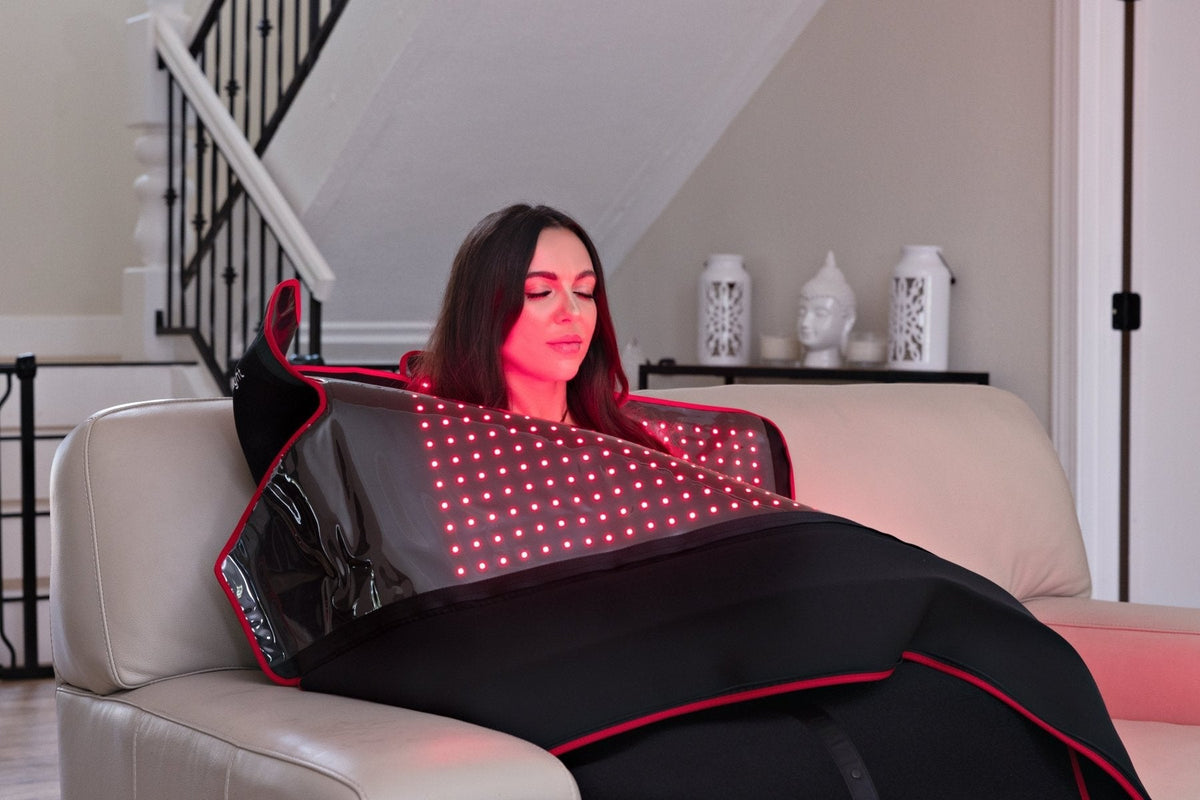
| MitoPOD Wrap | FDA Class II registered, IEC 60601 certified |
| BioLight panels and systems | Manufactured in an FDA-registered facility under the manufacturer's FDA device listing, ISO 13485, UL/ETL, IEC 60601, independently verified irradiance |
Notice the wording differences: those are deliberate, not decorative. Each phrase is the strongest claim that device can accurately carry, and no device here is described as FDA approved because none is.
Does clearance matter for a home buyer?
It matters most in three situations. If the device touches sensitive territory, like a mask worn over the eyes, clearance means the design was reviewed for that use. If you plan to use pre-tax health dollars, regulatory paper trails make the medical-necessity conversation cleaner; see the HSA and FSA page for how that works. And if you are comparing two otherwise similar devices, clearance is a reasonable tiebreaker. Outside those cases, the specs that decide results, wavelength, irradiance, coverage, dose, matter more than the regulatory label, and the red light collection publishes them for every device.
Frequently asked questions
Are any red light therapy devices FDA cleared?
Yes, a minority are, mostly masks and targeted devices cleared through the 510(k) pathway for specific uses. Most consumer panels are FDA registered instead, which is a listing status rather than a device review. Each product page at Kove states which applies.
Is FDA cleared the same as FDA approved?
No. Cleared means reviewed as substantially equivalent to an existing device through the 510(k) pathway. Approved is a stricter standard involving clinical evidence, essentially never applied to consumer light panels.
How do I check if a red light device is FDA cleared?
Ask the brand for its K-number and search the FDA's public 510(k) database. The listing shows the device, the date, and the cleared intended use. No K-number, no clearance.
Does FDA registered mean the FDA tested the product?
No. Registration lists a company or facility with the FDA and involves no product review. It signals the manufacturer operates inside the regulated system, nothing more.
Is an FDA-cleared device more effective?
Not automatically. Clearance is an accountability signal, not a performance measurement. Light output, wavelengths, and dose decide results, and those are separate specs worth checking on any device, cleared or not.
Cleared, registered and approved in brief
Cleared means the device was reviewed. Registered means the company is listed. Approved means neither, because consumer light devices do not get approved. Ask for the K-number, read the intended use, and then judge the device on the specs that produce results.
Every device in the Kove red light collection states its real regulatory status and its measured output, with free US shipping and the Price Beat guarantee.





%20review%20and%20the%20FDA%20agreed%20it%20is%20substantially%20equivalent%20to%20a%20legally%20marketed%20device%20for%20a%20stated%20use.%20FDA%20registered%20only%20means%20a%20company...)