
Contents
More on Cold
Cold Plunge Temperature and Time: A Protocol Guide
The week-by-week cold plunge progression: water temperature, minutes in, sessions per week, when in the day, what to do in the first thirty seconds, how to rewarm, and the lines not to cross.
A cold plunge protocol is three numbers and a rule: the water temperature, the minutes in it, the sessions per week, and the rule that you get out when your breathing stops being yours to control. For most people the first month runs 55 to 59 degrees Fahrenheit for one to three minutes, three or four times a week; by month two, many settle around 45 to 50 degrees for two to four minutes. This guide lays out that progression week by week, the timing questions that trip people up, what to do in the first thirty seconds, how to rewarm, and the lines not to cross. What the cold actually does, and the setup that makes it stick, are in the cold plunge guide; this page is the protocol.
The three variables
Temperature sets the intensity of the shock response. Fifty-nine degrees demands controlled breathing; forty-five demands it immediately and keeps demanding it. Time sets the dose, and the useful dose is short: the research protocols behind the alertness and soreness findings run two to five minutes, not ten. Frequency sets the adaptation, and it is the one that matters most: three to five short plunges a week blunts the shock response over weeks in a way one long weekend ordeal never does. A commonly cited weekly target is around eleven total minutes in the water, spread across sessions.
The progression, week by week
| Stage | Water | Time in | Sessions a week | What you are training |
|---|---|---|---|---|
| Weeks 1 to 2 | 55 to 59 °F | 1 to 2 minutes | 3 | Getting in without gasping; slow exhales through the first thirty seconds |
| Weeks 3 to 4 | 50 to 55 °F | 2 to 3 minutes | 3 to 4 | Stillness; the shock response starting to blunt |
| Month 2 | 45 to 50 °F | 2 to 4 minutes | 3 to 5 | A consistent habit; the after-effect arriving reliably |
| Month 3 and on | Where you settle, often 42 to 50 °F | 2 to 5 minutes, capped | 3 to 5, daily if adapted | Maintenance. Colder and longer past this buys discomfort, not benefit |
Move down the table when the current stage feels bracing rather than dreadful, never on a schedule. Going colder is optional; the low 40s is a preference, not a level to reach. Chillers that hold 37 degrees exist so the water is ready on a hot day, not so you should sit in 37-degree water.
When in the day
- Morning is the default. The alert, bright state after a plunge lasts hours, which is what you want at 7 am and not at 10 pm.
- After cardio or on rest days is the safe slot for training. Cold immersion immediately after strength training is the one timing some research argues against, since it may blunt the muscle-building signal; lifters leave four hours or more, or plunge on non-lifting days.
- Not right before bed for most people. The after-effect is alerting. If an evening plunge is the only one you can keep, run it early in the evening and see how you sleep.
- With heat, order by the goal: sauna then plunge to finish alert, plunge then sauna to finish warm and relaxed. Contrast therapy covers the pairing.
The first thirty seconds
Everything that goes wrong in cold water goes wrong in the first thirty seconds, because that is when the cold shock response peaks: a gasp, rapid breathing, and a spike in heart rate. The protocol is simple and non-negotiable. Exhale as you enter, long and slow, and keep exhaling longer than you inhale until the urge to gasp passes. Sit still: moving stirs the thin layer of water your skin has warmed and makes everything colder, which is fine later and a bad idea on day one. Keep your hands out of the water if fingers are the part that hurts most; they are the first to complain and the last to matter. If you cannot get your breathing under control within that first half minute, get out. That is the protocol working, not failing.
The exit and the rewarm
Get out when the timer says so or when your breathing goes ragged, whichever is first. Expect the afterdrop: core temperature keeps falling for several minutes after you leave the water as cold blood from the limbs returns to the center, so the shivering often starts once you are out, not in. Dry off fast, put on warm layers, and rewarm by moving: walking, light squats, arm circles. A hot shower straight from the plunge feels wonderful and works against you, pulling blood to the skin while the core is still dropping; most experienced plungers wait ten to fifteen minutes before anything hot. Shivering is normal and is part of the rewarm. Violent, uncontrollable shivering that does not settle with movement means you stayed too long or went too cold; shorten the next session.
Counting the dose
Track total minutes per week, not the coldest temperature or the longest single sit. Four sessions of three minutes is a better week than one heroic twelve. A note on a phone with the date, the water temperature, the minutes, and one word for how the day went afterward is enough. Within a month the pattern is obvious: which time of day works, which temperature you actually enjoy, and whether the habit is sticking. If you want a scoreboard beyond how you feel, biological age testing is the long-run measure the whole routine reports to.
Water temperature: how to actually hit it
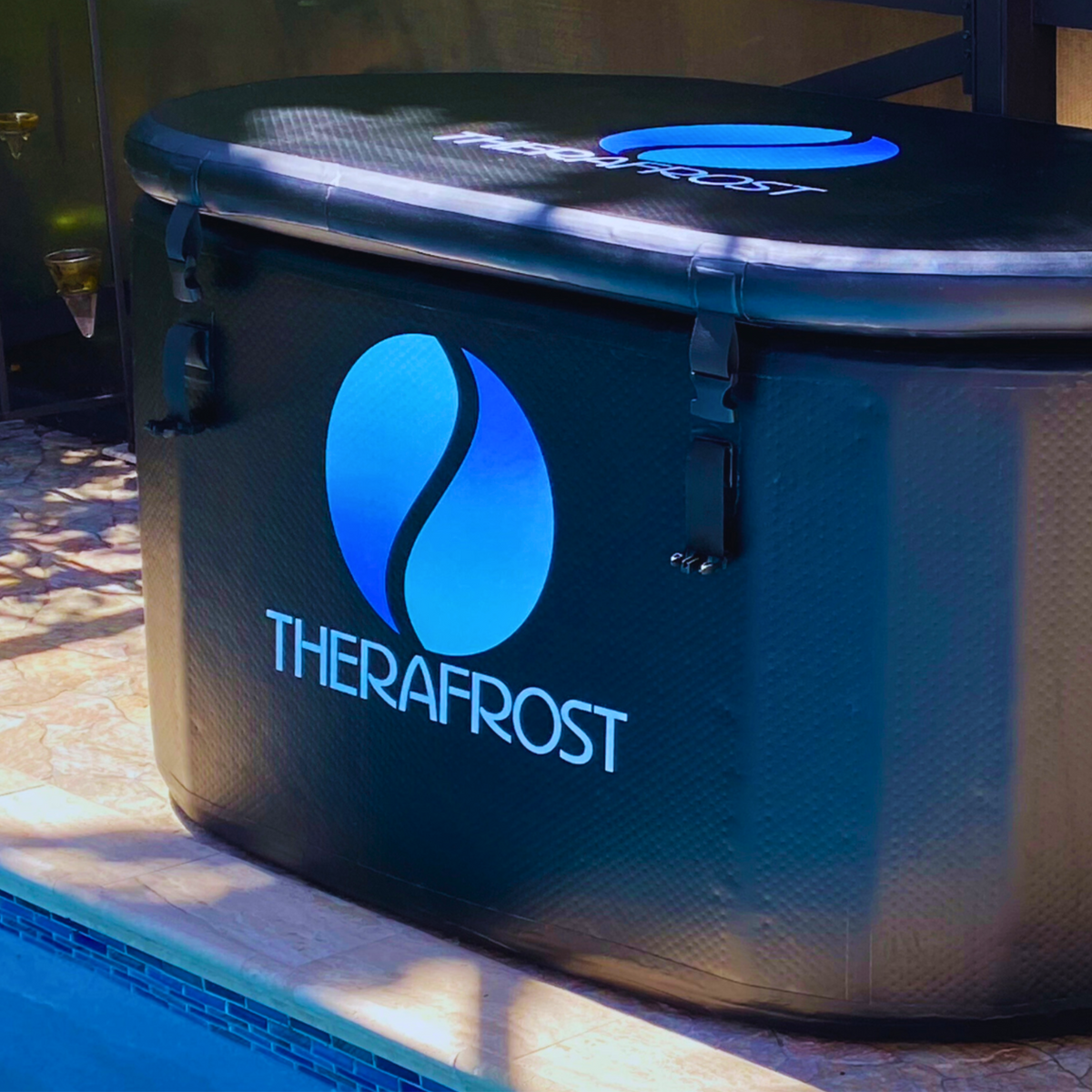
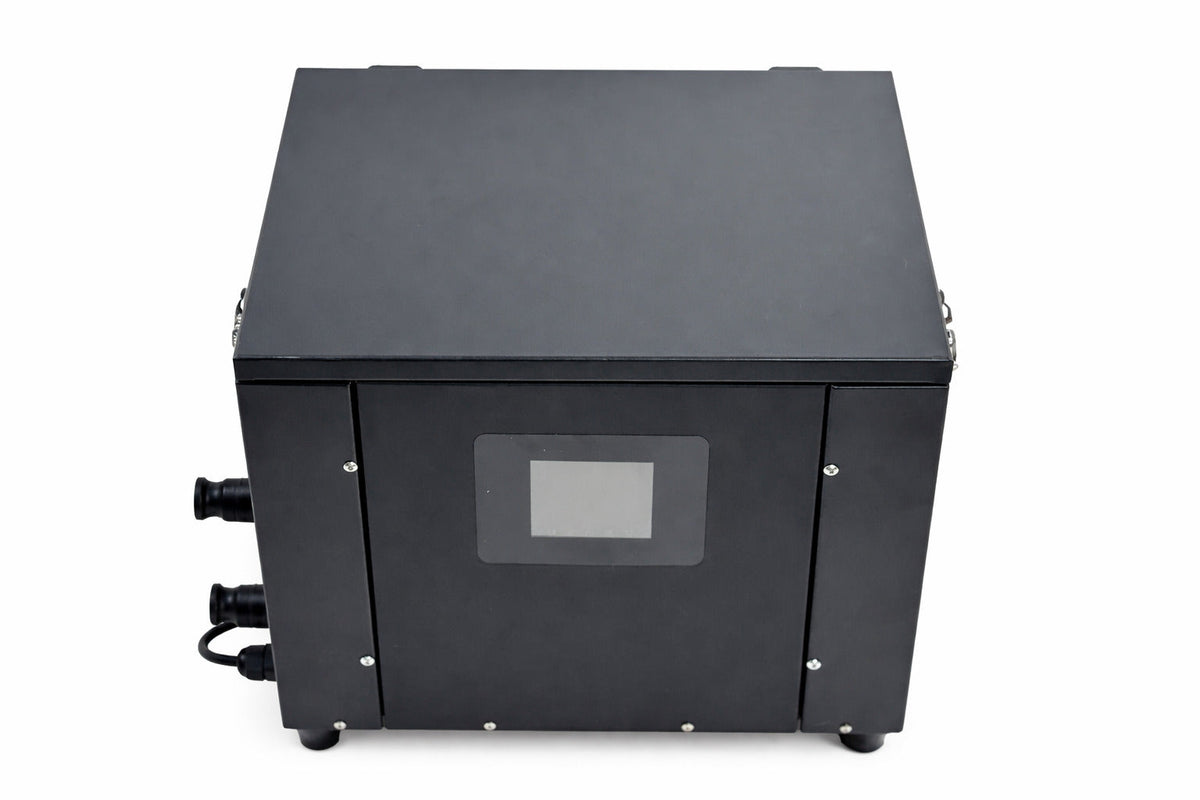
Ice gets a 100-gallon tub into the 50s at a cost of 40 to 80 pounds per session in a warm space, which is fine for a first month and expensive by the third. A chiller holds a set temperature around the clock: the Frozin Chiller runs 37 to 60 degrees with digital control on the Frozin 400 tub or any tub with 3/4 inch ports; the Frozin Complete System bundles tub, chiller, and filtration; the TheraFrost has a 1.75 HP chiller built in and takes about 1.5 to 2 hours to bring room-temperature water to 37 degrees. Whatever the hardware, a cheap floating thermometer settles every argument about whether "cold" was 52 or 46. Frozin list prices as of October 2026: Frozin 400 $999, Frozin Chiller $1,099.99, Frozin Complete System $2,049.99, and a promotion may be running. The TheraFrost is $4,988. The product page is the source of truth.
The lines not to cross
- Never plunge alone in open water. Tubs at home are the safe version of this practice for a reason. Cold shock in a lake is how people drown.
- No hyperventilation breathing before entering. Breath-hold and rapid breathing techniques before cold immersion have caused blackouts. Breathe normally going in, then slow the exhale.
- No alcohol. It blunts the shiver response and the judgment that tells you to get out.
- Cap the session. Five minutes is plenty at plunge temperatures; longer buys nothing and raises the risk of a rewarm that gets away from you.
- Heart conditions, blood pressure problems, pregnancy, and cold-related conditions call for a clinician's yes before the first plunge. Cold immersion is a genuine cardiovascular stressor. Kove does not provide medical advice; see the medical disclaimer.
Frequently asked questions
What temperature should a cold plunge be?
Start at 55 to 59 degrees Fahrenheit and work down over weeks, not days. Many people settle between 45 and 50. Below the low 40s is a preference for adapted plungers, not a target.
How long should you stay in a cold plunge?
One to two minutes in the first weeks, two to four once adapted, five as a cap. The research effects come from short, repeated exposure, not long sits.
How many times a week should you cold plunge?
Three to five. Around eleven total minutes a week across sessions is a common target. Daily is fine once adapted, with sessions kept short.
Cold plunge before or after a workout?
After cardio, or on rest days. Leave several hours between strength training and the plunge, or plunge on non-lifting days, since immediate post-lifting cold may blunt the adaptation you trained for.
Should I cold plunge in the morning or at night?
Morning for most people, because the after-effect is alerting and lasts hours. If evening is your only slot, go early in the evening and watch your sleep.
How do I breathe in a cold plunge?
Exhale on entry, then keep the exhale longer than the inhale until the gasp reflex passes, usually within thirty seconds. If it does not pass, get out.
Can I take a hot shower right after a cold plunge?
Better not immediately. Your core keeps cooling for a few minutes after you exit; rewarm with movement and layers first, and save the hot shower for ten to fifteen minutes later.
Is 37 degrees safe?
For adapted, healthy adults in short sessions, some plunge there. It is not a beginner temperature and not a goal; the benefits people plunge for show up in the 45 to 59 degree range.
The short version
Start at 55 to 59 degrees for one to two minutes, three times a week. Move down the table only when the current stage feels bracing rather than dreadful. Exhale in, sit still, exit when your breath goes ragged, rewarm by moving, and count weekly minutes rather than personal records. Morning by default, never straight after lifting, never alone in open water, never with alcohol. Everything in the cold plunge collection ships free in the US with the Price Beat guarantee.