
Contents
More on Cold
Cold Plunge Benefits, Safe Temperatures, and How to Set Up
Cold plunge temperature, time, and frequency, what the research actually supports, and how tubs, systems, and chillers differ for a home setup.
A cold plunge is deliberate immersion in water cold enough to trigger a stress response, usually 45 to 59 degrees Fahrenheit for 2 to 5 minutes. The research supports effects on alertness, mood, and perceived muscle soreness. Colder is not better, longer is not better, and the whole practice runs on consistency rather than heroics.
Cold exposure is the highest friction tool in this catalog: it works only if you keep doing it, and most people quit because their setup makes every plunge a project. This guide covers what the cold does, the protocol most people start with, and how to build a setup where the plunge is the only hard part.
What happens in cold water?
Immersion in cold water triggers a sharp, well-documented stress response: breathing rate jumps, heart rate rises, blood vessels near the surface constrict, and circulating norepinephrine climbs steeply. With repeated exposure the shock response measurably blunts, which is the adaptation regular plungers are training. The after-effect most people plunge for, the alert, bright-mood state that follows, tracks with that catecholamine rise and lasts well beyond the minutes spent in the water.
What does the evidence support?
- Alertness and mood. The most consistently reported effect, and the reason daily plungers keep the habit. Studies have measured elevated norepinephrine and dopamine following cold immersion, with subjective alertness to match.
- Perceived muscle soreness. A large sports science literature reports reduced soreness after training when cold immersion is used, which is why it has lived in locker rooms for decades.
- Stress tolerance. The blunted shock response with repeated exposure is measurable, and many practitioners value the practice mostly as discipline training.
What will cold plunging not do?
- It will not melt fat off you. The calorie cost of a plunge is small, whatever the influencers imply.
- It is not a shortcut to muscle growth, and timing matters: some research suggests plunging immediately after strength training can blunt the muscle-building signal. Lifters typically plunge on rest days or several hours away from lifting.
- It will not get easier in the way people expect. The first 30 seconds always costs something; what changes is your relationship to it.
- It is not for everyone. Cold immersion stresses the heart. Anyone with a heart condition, blood pressure issues, or who is pregnant should talk to their clinician before starting. Kove does not provide medical advice; see the medical disclaimer.
What temperature and how long?
The research spans a wide range, and the practical answer is simpler than the internet makes it.
- Starting point: 50 to 59 °F (10 to 15 °C) for 2 to 5 minutes. Cold enough to demand controlled breathing, warm enough to finish.
- With adaptation: many settle at 45 to 50 °F. Dedicated chillers hold 37 to 60 °F, so the floor is there when you want it.
- Frequency: 3 to 5 short sessions a week beats one long weekly ordeal. A common weekly target in the research conversation is around 11 total minutes of immersion, spread across sessions.
- The exit rule: get out when you can no longer keep your breathing slow. That signal is more reliable than any timer.
What cold plunge setup do you need?
Three tiers, in order of commitment. Prices as of October 2026; the product page is the source of truth.
| Setup | How it works | Best for | From |
|---|---|---|---|
| Frozin 400 Tub | Insulated 100-gallon tub, run with ice now, chiller-ready ports for later | Starting out without committing to hardware | $999 list |
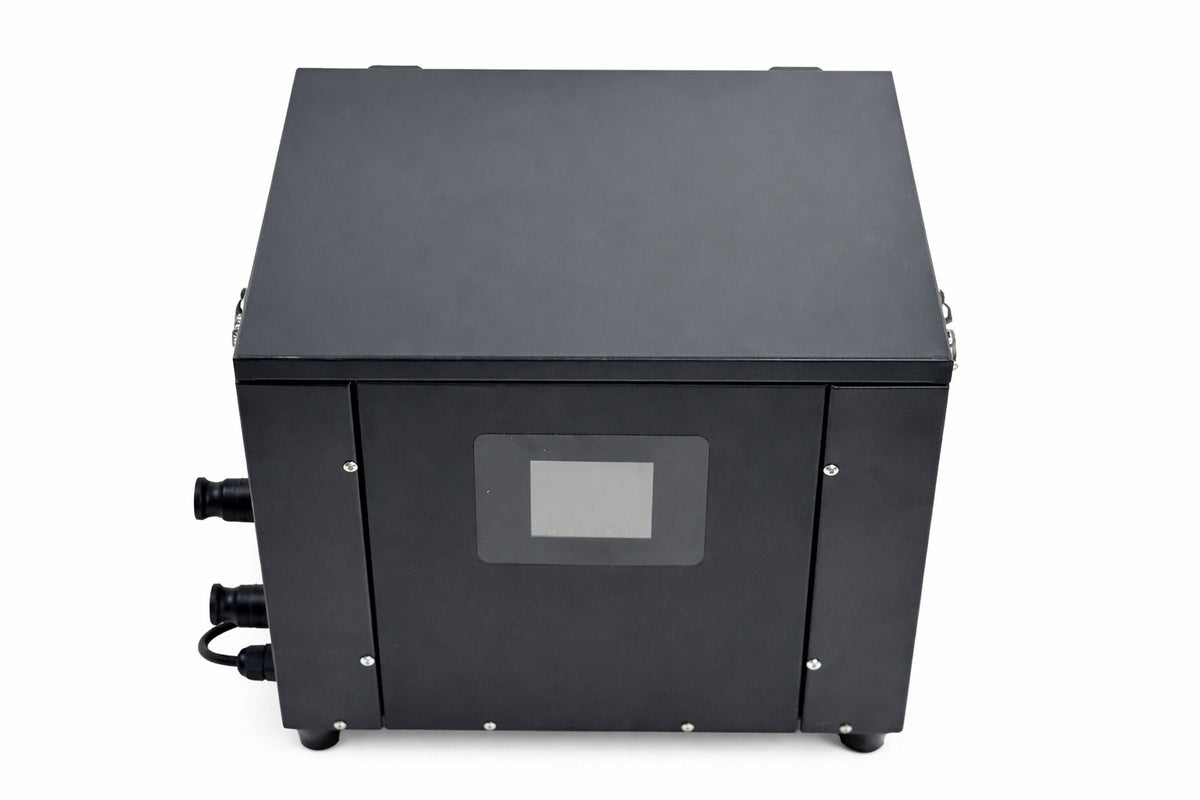
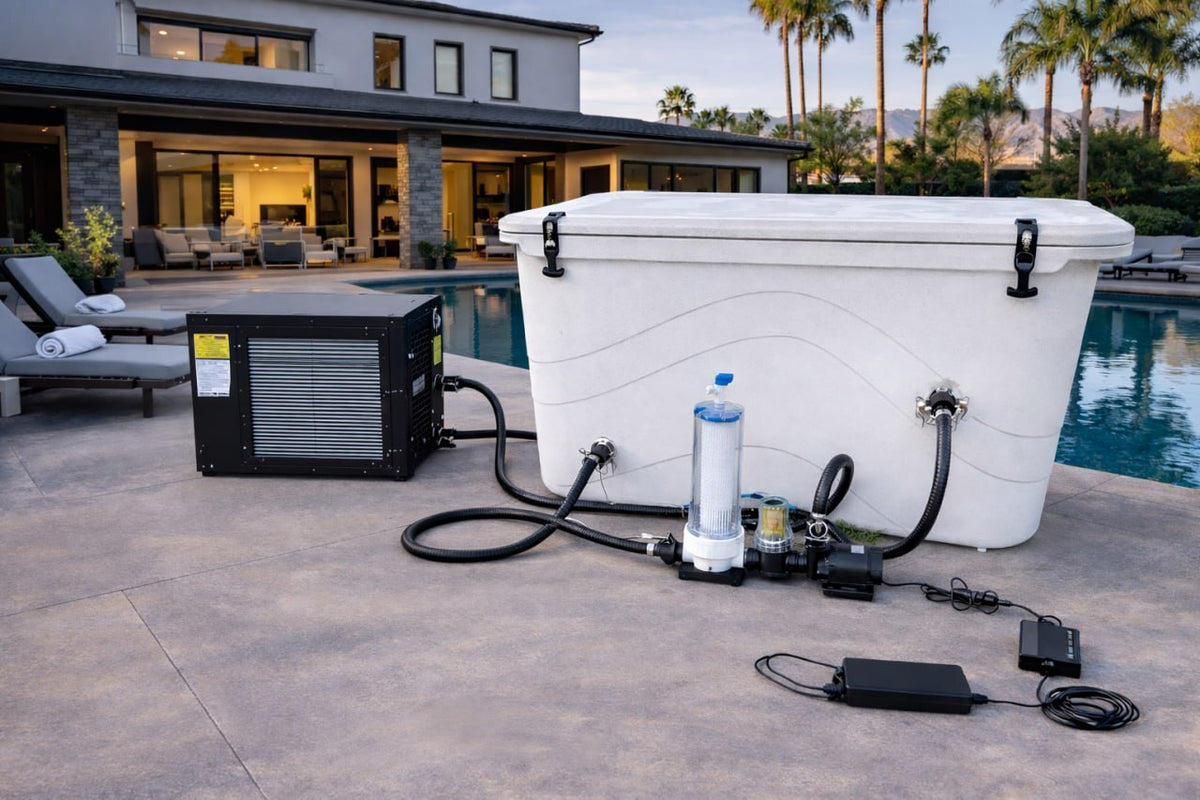
| Frozin Complete System | Same tub plus a 3/4 HP chiller and filtration; holds 37 to 60 °F on its own | Daily plungers who never want to buy ice again | $2,049.99 list |
| TheraFrost Cold Plunge | Inflatable tub with built-in 1.75 HP chiller, ozone water care, and app control; chills to 37 °F | App-controlled setup that packs into a backpack | $4,988 |
The upgrade path matters more than the starting point: the Frozin 400 accepts the Frozin Chiller (list $1,099.99) and Filtration System (list $199) later through quick-connect ports, so buying the tub first wastes nothing. The full range lives in the cold plunge collection.
Ice or chiller?
Ice works, and it is how most people should start, but count the real cost: a 100-gallon tub in a warm garage can eat 40 to 80 pounds of ice per session to hit the low 50s. At a few dollars a bag, daily plungers cross the price of a chiller within months, and the friction of hauling ice is what kills the habit. A chiller holds the set temperature around the clock, so the tub is always ready.
How do you keep the water clean?
Three layers, least to most effort. Circulation and filtration first: a pump moving water through a filter handles debris and keeps water clear, with filters swapped every 3 to 6 months. Ozone second: the TheraFrost runs adjustable ozone bursts that sanitize without chemicals, and the TheraFrost Flow adds the same to any existing tub. Water changes third: even filtered tubs want a full refresh on a rhythm, monthly for most home setups. Cold water also fights for you, since microbial growth slows dramatically at plunge temperatures.
Where should the tub live?
Anywhere with a level surface, a grounded outlet for the chiller, and drainage within hose distance. The Frozin shell is UV-resistant and built for outdoors; a lid and a spot out of direct sun keep a chiller from fighting the summer. Indoors works too, garages and patios most commonly, if you accept that 100 gallons weighs about 830 pounds and plan the floor accordingly.
Does cold pair with heat?
Contrast sessions, alternating heat and cold, are the oldest recovery pattern there is. The common home version is sauna first, plunge last for alertness, or plunge first, heat last when the goal is to relax afterward. There is no single validated protocol, so treat the order as preference, not prescription. Cold also pairs naturally with red light on the recovery side, and biological age testing is the layer that tells you whether the whole routine is moving anything.
Can you pay with HSA or FSA?
Cold plunge equipment is among the categories that can qualify with a Letter of Medical Necessity, decided per order by an independent licensed provider through Truemed at checkout. Details on the HSA and FSA page.
Frequently asked questions
How cold should a cold plunge be for beginners?
Start at 50 to 59 °F for 2 to 5 minutes. Cold enough that you have to control your breathing, warm enough that you can. Work downward over weeks if you want to, not days.
How often should you cold plunge?
Three to five short sessions a week. Around 11 total weekly minutes is a common target. Daily is fine once adapted, and rest-day timing suits lifters best.
Is a cold shower the same as a cold plunge?
No. A shower hits part of you at whatever temperature your plumbing allows; immersion surrounds you at a controlled temperature, which is what the research protocols use. Showers are a fine on-ramp and a poor substitute.
Should you cold plunge before or after a workout?
After cardio or on rest days is the safe default. Immediately after strength training is the one timing some research argues against, so lifters usually leave several hours of space.
How much ice does a plunge take without a chiller?
In a warm space, 40 to 80 pounds per session to reach the low 50s in a 100-gallon tub. That recurring cost and hassle is the usual reason daily plungers move to a chiller.
How do you breathe through the first minute?
Slow, long exhales. The gasp reflex peaks in the first 30 seconds and passes. If you cannot bring your breathing under control, get out; that is the protocol working, not failing.
Can you cold plunge every day?
Yes, adapted plungers commonly cold plunge every day, keeping sessions short. Listen for the difference between bracing and dread; persistent dread means back off frequency or temperature.
Who should not cold plunge?
Anyone with a heart condition or uncontrolled blood pressure, and anyone pregnant, should talk to their clinician before they cold plunge. Cold immersion is a real cardiovascular stressor; that is both why it works and why it deserves respect.
Cold plunging in brief
Cold plunging deserves its reputation for alertness, mood, and soreness, and almost none of its reputation for anything else. Start at 50 to 59 °F for 2 to 5 minutes, three to five times a week, exit when your breath goes ragged, and build a setup where the only hard part is getting in. Start with the tub, add the chiller when the habit sticks, with free US shipping and the Price Beat guarantee on everything in the collection.