
Contents
More on Heat
Infrared Sauna Benefits and How Home Formats Compare
What regular heat exposure actually does, how infrared differs from traditional sauna, and how blankets, tents, and mats compare for a home setup.
An infrared sauna heats you directly with infrared light instead of heating the air around you, so it runs at 100 to 170 degrees Fahrenheit rather than the 170 to 200 of a traditional sauna, while producing a comparable sweat. Regular heat exposure is one of the better studied practices in wellness, and the format you choose, blanket, tent, or mat, matters mostly for space, budget, and whether you will use it.
Heat is the most forgiving tool in this catalog: sessions feel good from day one, which is rare here. The buying question is almost entirely practical, because a $500 blanket used four times a week beats a $10,000 cabin used four times a year. This guide covers what the heat does, how infrared differs from the sauna your gym has, and how the formats compare.
What does heat exposure do?
A sauna session is a cardiovascular event. Core temperature rises, heart rate climbs to brisk-walk or light-jog levels, blood vessels dilate, and plasma volume shifts as you sweat. Repeated regularly, the body adapts to heat the way it adapts to exercise, which is why researchers describe regular sauna use in training-like terms. Heat shock proteins, cellular chaperones that respond to thermal stress, are the mechanism most often cited in the longevity conversation.
What does the evidence support?
- Cardiovascular conditioning. The strongest line of research, including large long-running observational studies of frequent sauna bathers. Regular sessions produce measurable effects on heart rate, blood pressure, and vascular function.
- Relaxation and sleep onset. Post-sauna relaxation is consistent and well reported; body temperature falling after a session tracks with sleepiness.
- Muscle recovery. Heat increases blood flow to muscle and is widely used around training, with soreness studies broadly supportive.
- Skin. Increased circulation and sweating, with research more modest than the marketing.
The famous longevity findings come from traditional Finnish sauna studies; infrared-specific research is younger. The heat stress mechanism is shared, at lower air temperatures, but it is fair to say most of the headline data was collected in hot rooms, not under infrared panels.
What will a sauna not do?
- It will not "detox" you in any meaningful chemical sense. Sweat is mostly water and electrolytes; your liver and kidneys do the detoxifying.
- It is not a weight loss device. Water weight returns with your next glass of water.
- It will not replace exercise, though it is a useful supplement to it and a partial stand-in when training is off the table.
- It is not risk-free. Heat plus dehydration plus alcohol is a bad combination, and anyone pregnant or managing a heart condition should talk to their clinician first. Kove does not provide medical advice; see the medical disclaimer.
Infrared vs traditional sauna: what is different?
| Infrared | Traditional | |
|---|---|---|
| How it heats | Infrared light warms your body directly | Stove heats the air, air heats you |
| Air temperature | 100 to 170 °F | 170 to 200+ °F |
| Feel | Gentler air, steady warmth, longer comfortable sessions | Intense, enveloping, faster to force the sweat |
| Warm-up | Minutes for blankets, 10 to 15 for tents | 30 to 60 minutes for the room |
| Power draw | 600 to 900 W for home formats | Several kW plus dedicated wiring |
| Home footprint | A blanket folds away; a tent packs to a suitcase | A room or a backyard structure |
Neither is the winner. Traditional carries the largest research base; infrared makes regular heat practical in an apartment. The session you take beats the session with better citations.
Which format fits which home?
Specs as published by each manufacturer. Prices as of August 2026; the product page is the source of truth.
| Format | What it is | Heat | Example at Kove | From |
|---|---|---|---|---|
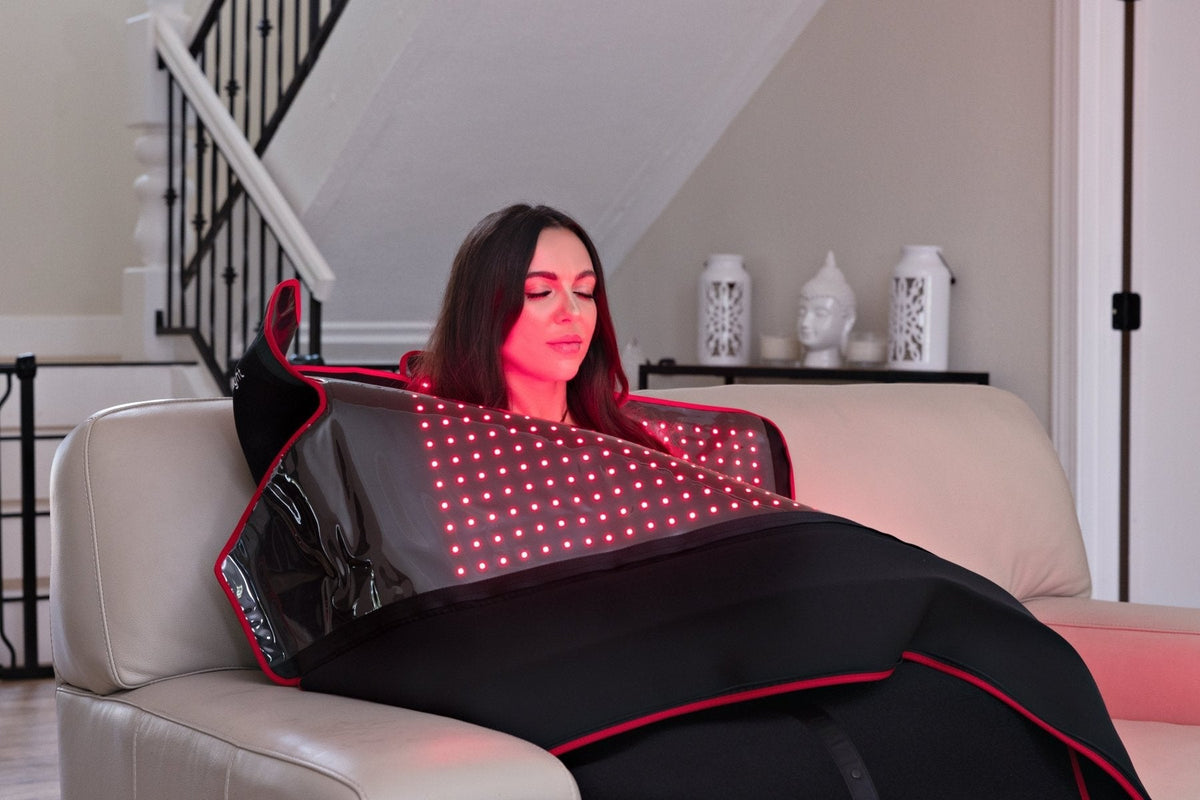
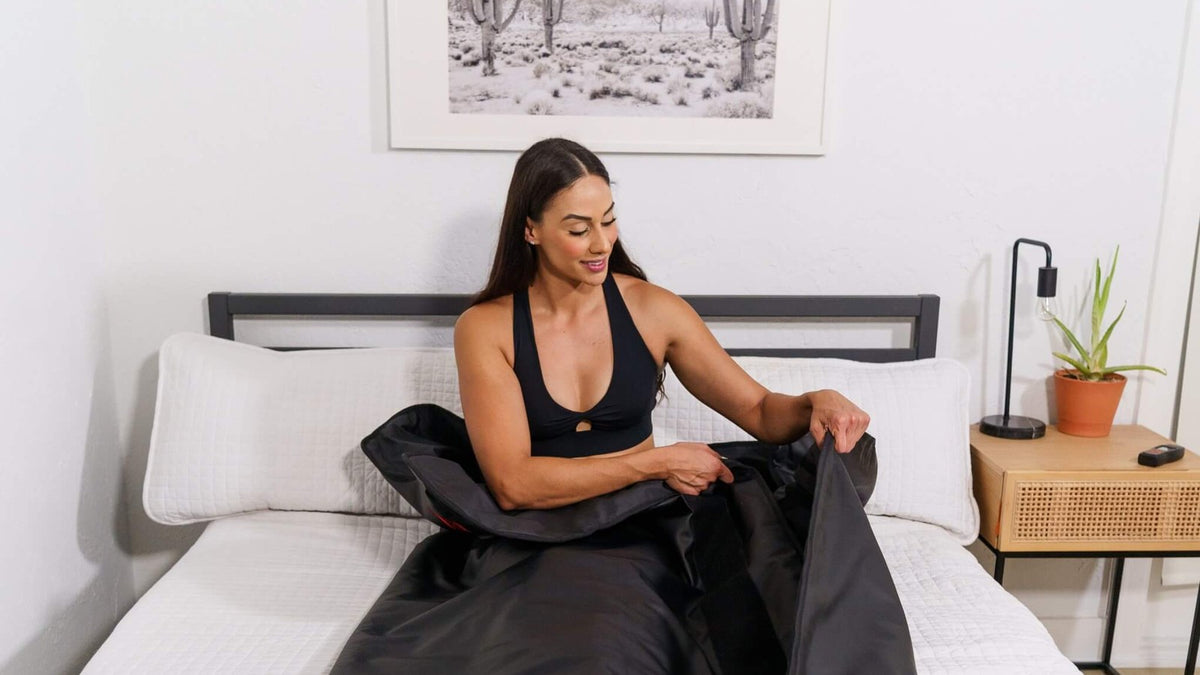
| Sauna blanket | Far-infrared blanket you zip into lying down; folds flat between sessions | 77 to 176 °F, zero-EMF carbon fiber heating | HEALiX-Z (zipper) and HEALiX (velcro) | $499.99 |
| Portable sauna tent | Head-out full-spectrum sauna with a bamboo chair; sets up in a corner, folds away | 100 to 170 °F, near/mid/far infrared plus red light panels | Thera360 Plus | $1,428 |
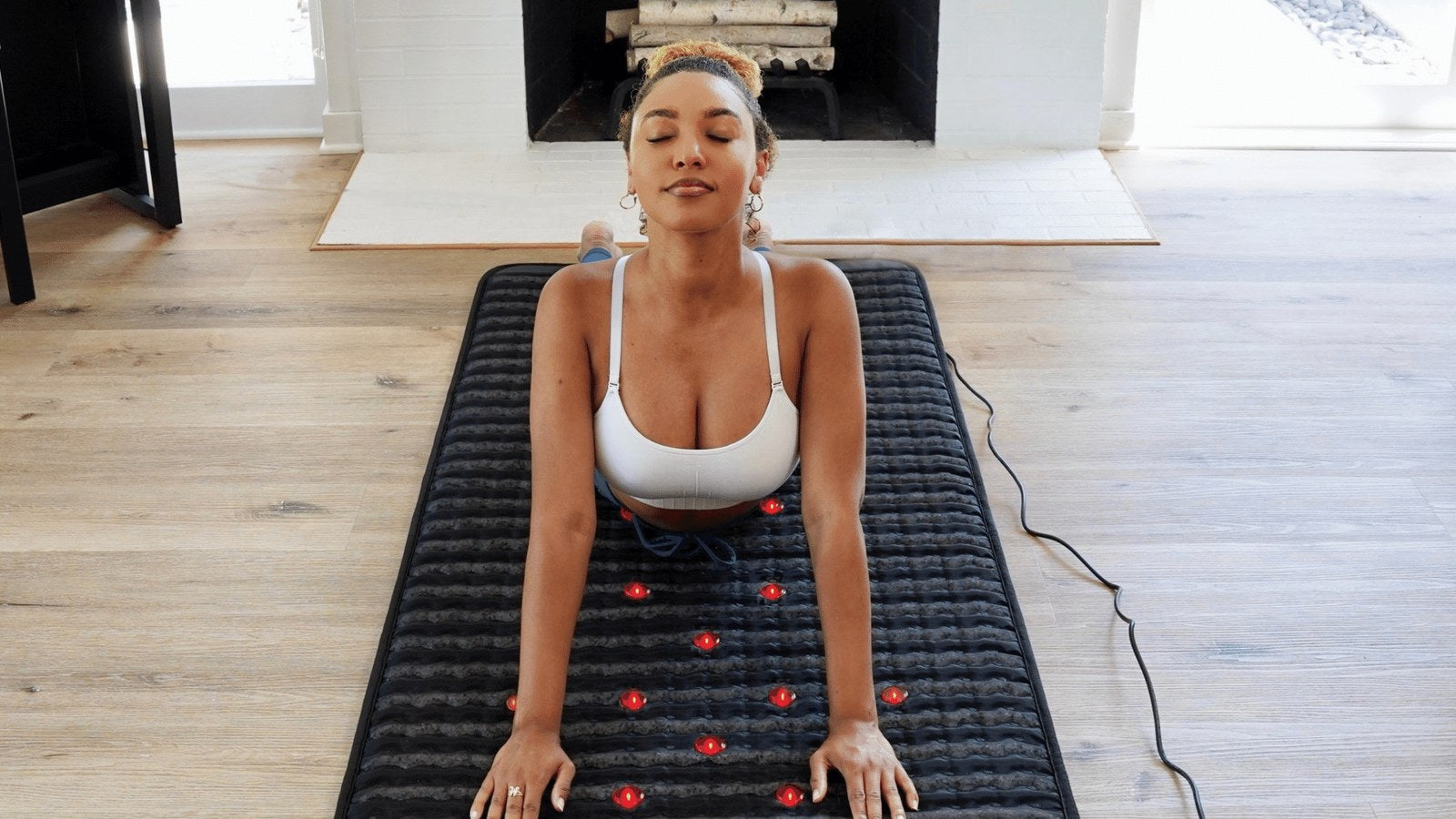
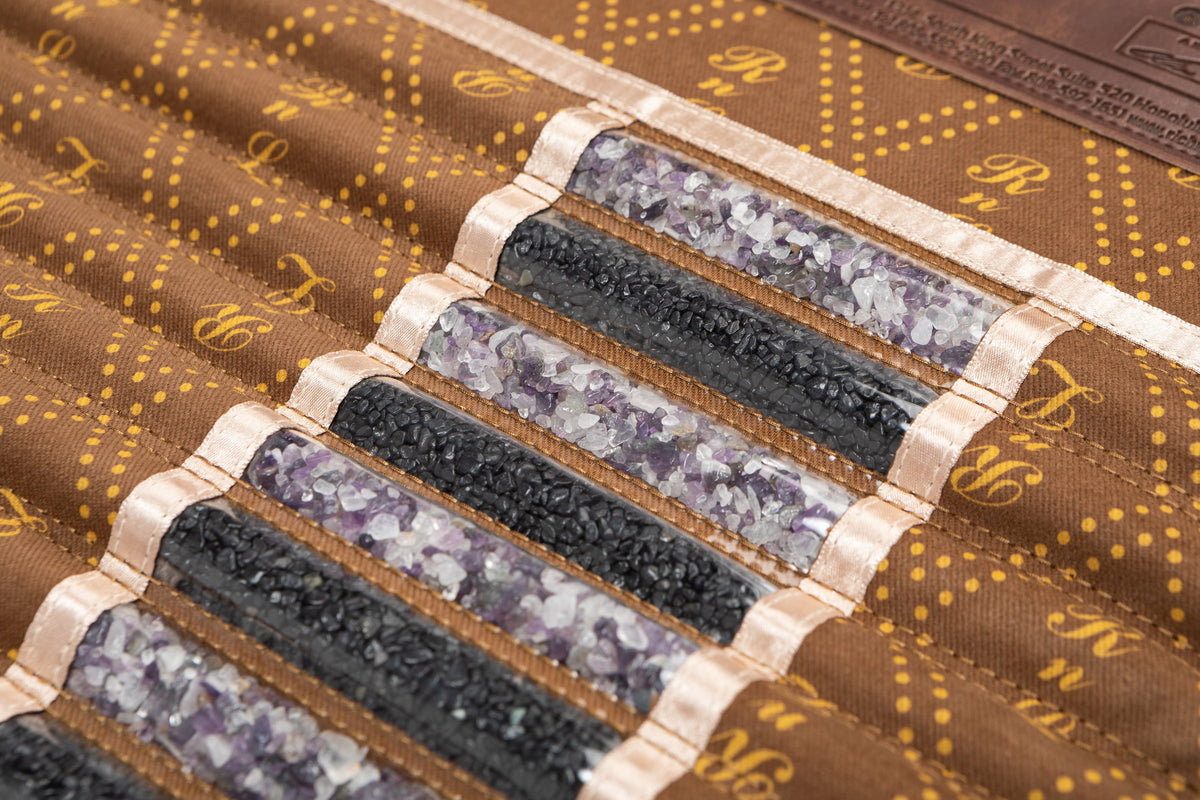
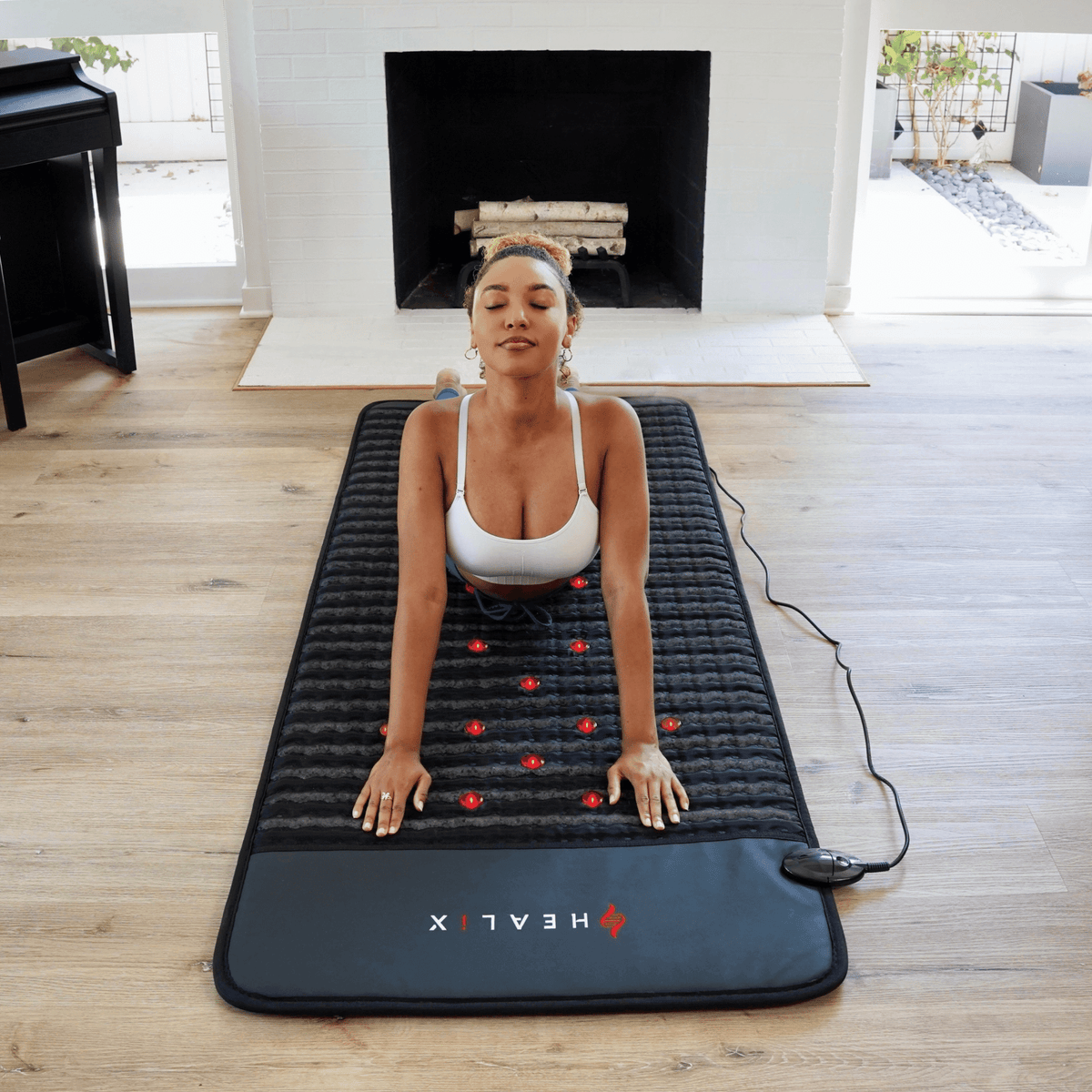
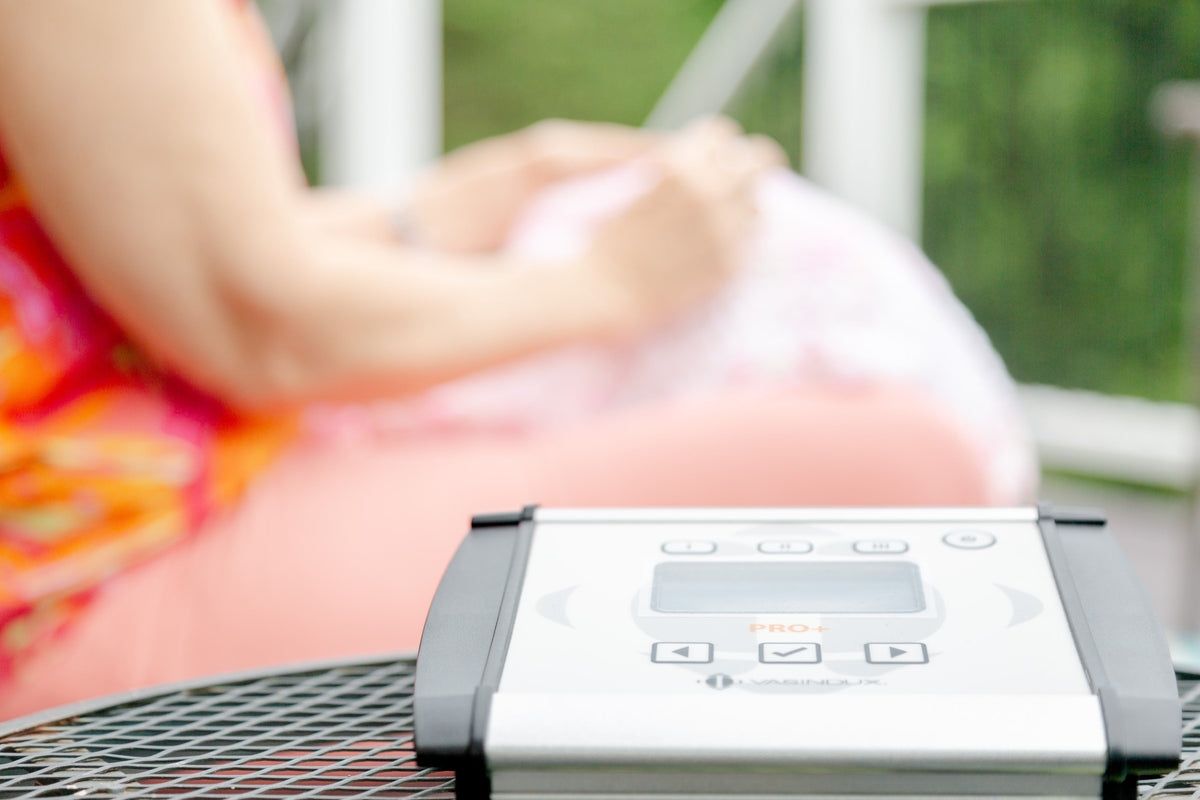
| Infrared mat | Far-infrared heat through amethyst and tourmaline layers; a warm surface, not a sweat session | Gentle, adjustable, lie-on format | BioMat Pro and BioMat Mini | $850 |
The practical logic: a blanket is the lowest-friction real sweat available, 20 to 60 minutes lying down, then fold it away. The tent gives a sit-up sauna experience with full-spectrum panels and room for breathwork or reading. Mats are the gentle end, for people who want warmth under them for long sessions instead of a drenching sweat, and they overlap with the PEMF category, where several products combine both. Browse the sauna collection and infrared mats.
How often, how hot, how long?
The pattern in the research and across manufacturer guidance: 3 to 5 sessions a week, 20 to 45 minutes for infrared formats, at a heat that produces a real sweat while letting you finish comfortably. Start lower on temperature and shorter on time for the first two weeks; heat adaptation is quick. Hydrate before and after, skip alcohol around sessions, and treat lightheadedness as the signal to end early. Evening sessions pair well with sleep, since the post-session temperature drop helps you settle for the night.
What should you check before buying?
- EMF design. You lie on or inside these for the better part of an hour. Look for published low-EMF or zero-EMF construction; the HEALiX blankets use Faraday-shielded carbon fiber, and the Thera360 publishes low-EMF, low-ELF shielding with a grounding mat.
- Materials at temperature. Heat plus cheap plastics is a smell you cannot unsmell. Non-toxic, VOC-free interiors are worth insisting on.
- Temperature range and control. Fine-grained control (2-degree steps on the blankets, 5 on the tent) is what lets sessions grow with your adaptation.
- The cleanup reality. Blankets want a towel layer and a wipe-down; tents want ventilation after. Whichever chore you will do decides the format.
Does sauna pair with cold?
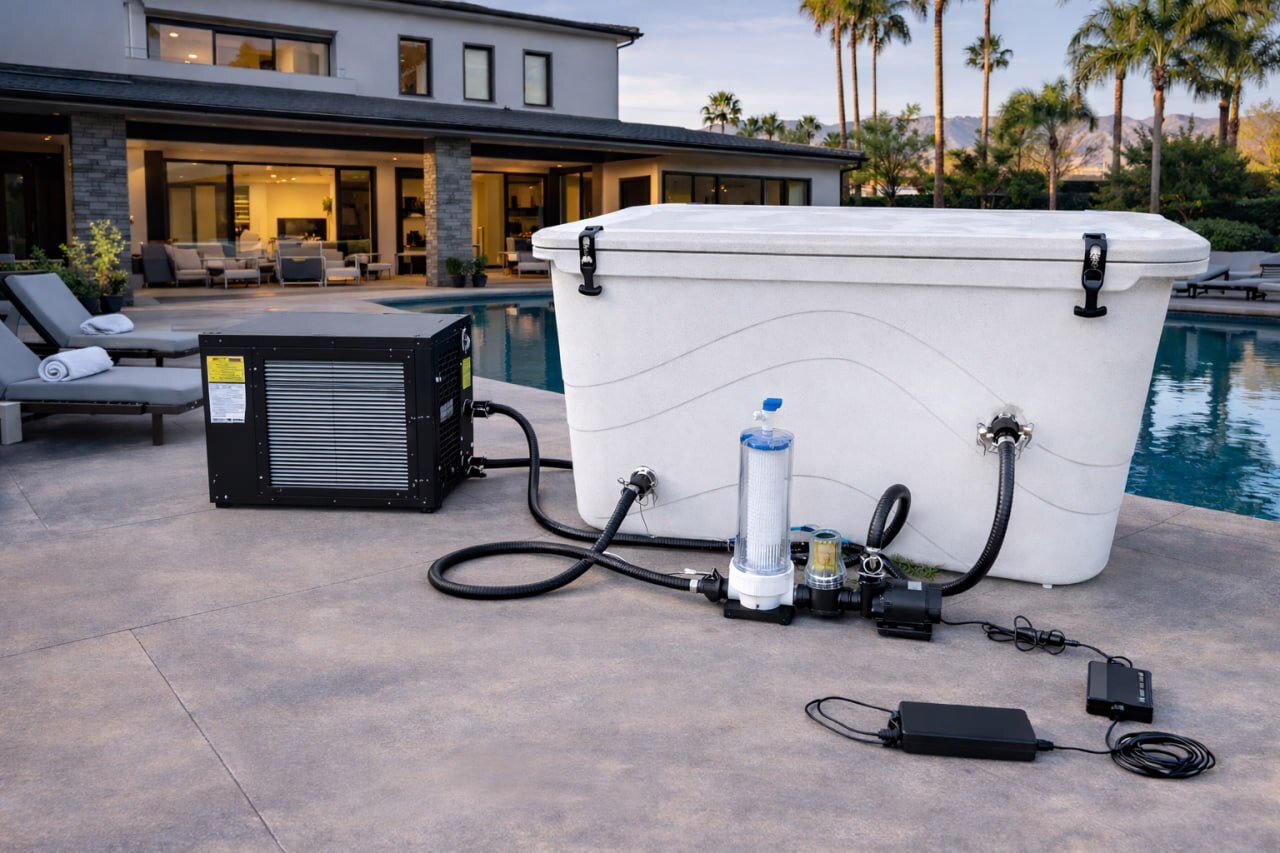
Contrast, heat then cold, is the classic pairing, covered from the other side in the cold plunge guide. Heat also shares the recovery slot with red light, so most people pick one for daily rotation and skip stacking both, and biological age testing is the layer that tells you whether the routine is doing anything measurable.
Can you pay with HSA or FSA?
Saunas and heat therapy are among the categories that can qualify with a Letter of Medical Necessity, decided per order by an independent licensed provider through Truemed at checkout. Details on the HSA and FSA page.
Frequently asked questions
Is an infrared sauna as good as a traditional sauna?
An infrared sauna works through the same heat stress mechanism as a traditional sauna, with a gentler session. Most of the longevity research was done in traditional saunas, so the fair claim is comparable practice, younger evidence, far easier to fit in a home.
Is a sauna blanket worth it compared to a cabin?
For most homes, yes. A blanket delivers a real sweat session for a tenth of the cost and zero square footage, and consistency is the whole game. A cabin is worth its price only when it will be used for years.
How often should you use an infrared sauna?
Three to five sessions a week is the pattern the research rewards. The large observational studies found frequency mattered: more regular sessions tracked with stronger associations.
How long is a sauna blanket session?
A sauna blanket session runs 20 to 60 minutes, starting short. The HEALiX blankets adjust from 77 to 176 °F in 2-degree steps, so early sessions can be very gentle.
Do infrared saunas use a lot of electricity?
Less than people assume. The blankets draw 600 W and the Thera360 draws 900 W, so a 40-minute session costs roughly the same power as running a microwave for half an hour. No dedicated wiring needed.
Sweat a lot means it is working, right?
Sweat volume tracks heat load and hydration, not benefit. The adaptations come from the heat stress itself, so a comfortable, consistent practice beats occasional drenching sessions.
What is the difference between an infrared mat and a sauna blanket?
A blanket wraps you and aims for a sweat. A mat warms you from below at gentler temperatures for longer, more passive sessions, closer to a warm surface than a sauna. Different jobs, commonly owned together.
Who should be careful with sauna use?
Anyone pregnant, managing a heart condition or blood pressure issues, or taking medications that affect heat regulation should talk to their clinician first. And never mix sessions with alcohol.
Infrared sauna in brief
Regular heat exposure has one of the strongest research stories in this space, and infrared formats exist to make it practical at home. Pick the format you will use three times a week, check the EMF design and materials, start gentle, and let the habit compound. Every option in the sauna collection ships free in the US with the Price Beat guarantee.