
Contents
More on Longevity
Longevity Devices for Beginners: How to Build Your First Home Stack
Which longevity devices to start with at home and in what order, using a simple Signal, Restore, Elevate framework, with honest evidence on what each tier can do.
A longevity stack is a small, deliberate set of non-ingestible wellness tools you use consistently to support how you age, measure, and recover. The simplest way to build your first one is to work in three tiers: Signal (measure where you stand), Restore (help your body recover and repair), and Elevate (add targeted support once the basics are steady). Start with one tool per tier, use it long enough to notice a pattern, then expand.
Most people who ask how to build a longevity stack expect a long shopping list. It is the opposite. A good first stack is short, clear about evidence, and built around habits you will keep. Below is the framework we use at Kove, what the research supports, and where the evidence is still developing so you can spend attention where it counts.
What is a longevity stack?
A longevity stack is a curated combination of tools and practices, used together over time, chosen to support healthy aging, recovery, and daily energy. In a device context it usually spans a few categories such as measurement, light, heat, cold, or movement, layered so each part does a different job and none duplicates another.
The word "stack" matters. A single gadget used twice and forgotten is not a stack. A stack is a system: a handful of tools that fit your routine, reinforce each other, and give you a way to check whether anything is changing. That is why measurement comes first, not last.
How does the Signal, Restore, Elevate framework work?
The framework sorts every tool into one of three jobs. Signal tells you where you stand today. Restore supports recovery and repair. Elevate adds targeted, higher-effort support once your foundation is consistent. You build from the bottom up, one tier at a time, so nothing gets added on faith.
Working in this order keeps a first stack realistic and affordable. It stops you buying five devices in a weekend, and it gives each addition a clear reason to exist. Here is what each tier covers.
Signal: measure before you change anything
Signal is your baseline. Before adding recovery or performance tools, it helps to know what your body is doing now so you can tell whether anything you add is working. A biological age assessment is one starting point: it measures markers associated with aging rather than the number on your birthday, and it gives you a figure to track over time. Diagnostics like this have some of the more established science in the longevity space, though a single result is a snapshot, not a verdict.
The point of Signal is direction. You are not trying to be perfect. You are trying to replace guesswork with something you can re-check in six or twelve months.
Restore: support recovery and repair
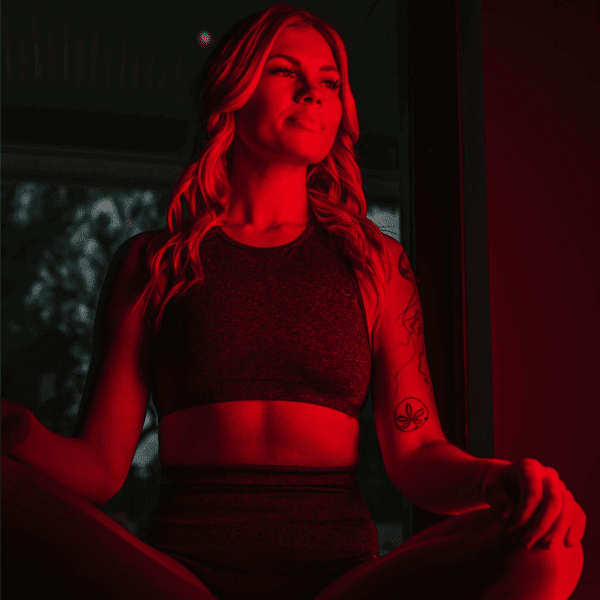
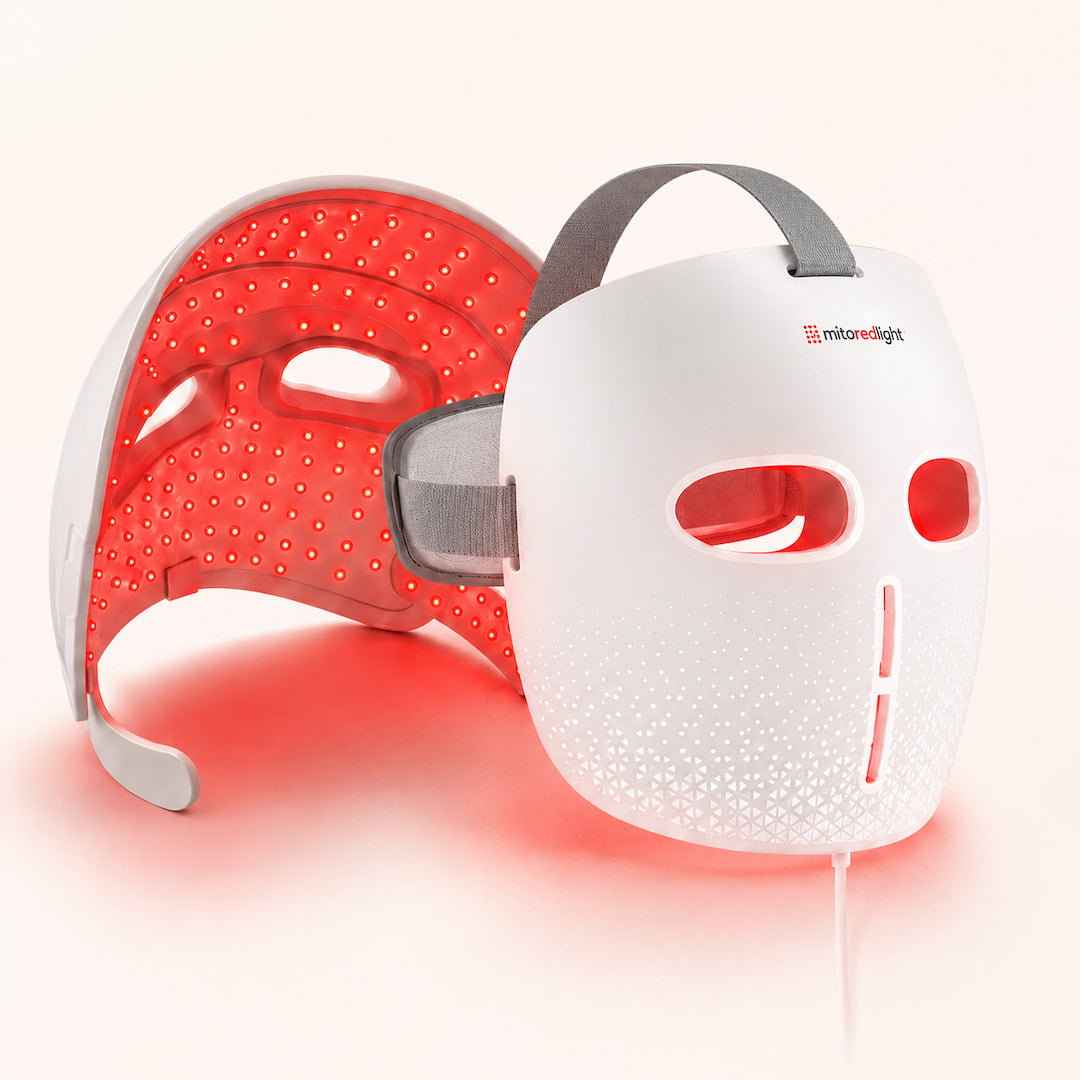
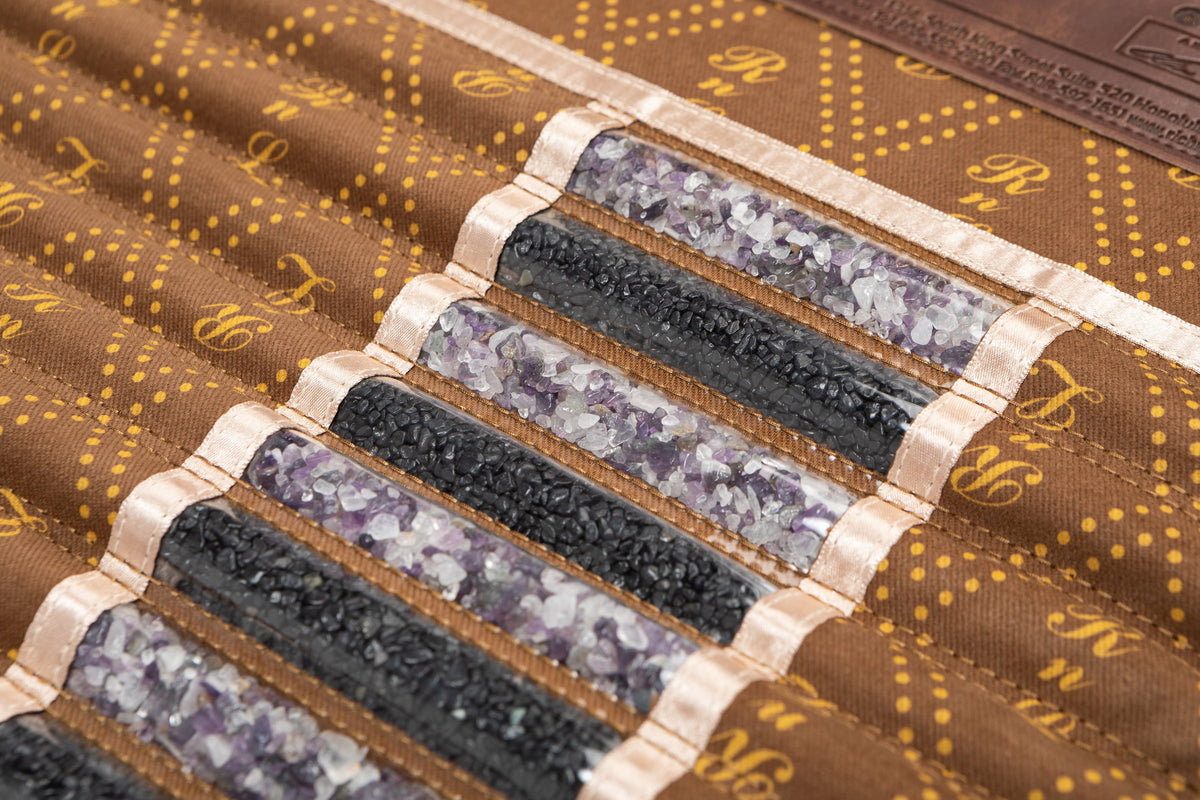
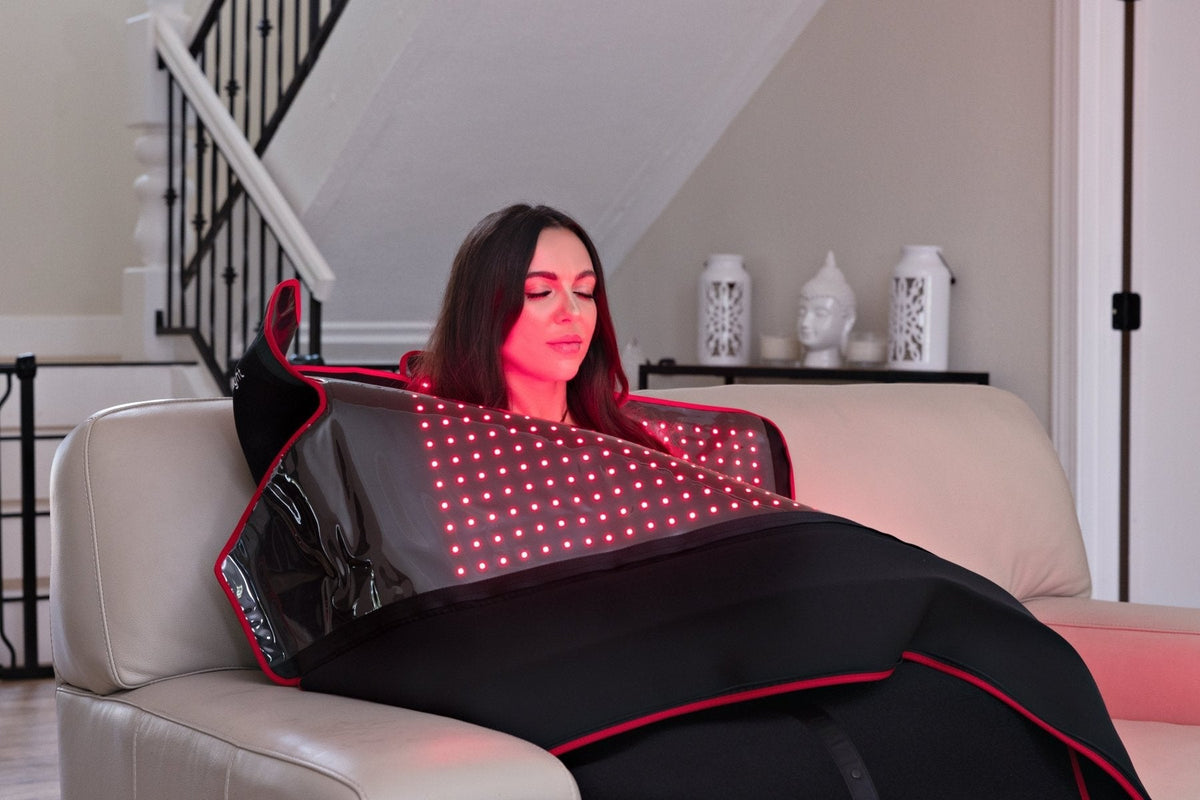
Restore is where most first stacks should spend their energy. These are tools that support the body's normal recovery processes: red and near-infrared light, gentle pulsed electromagnetic field (PEMF) support, and heat. Red light therapy and PEMF both have a reasonably developed research base for supporting recovery, comfort, and cellular function, which is why they lead this tier.
Restore tools reward consistency more than intensity. A short red light session most days, or regular heat exposure, tends to matter more than an occasional long one. Pick one Restore tool, use it for several weeks, and let your Signal metrics and your own sense of recovery tell you whether to keep going.
Elevate: targeted support once the basics hold
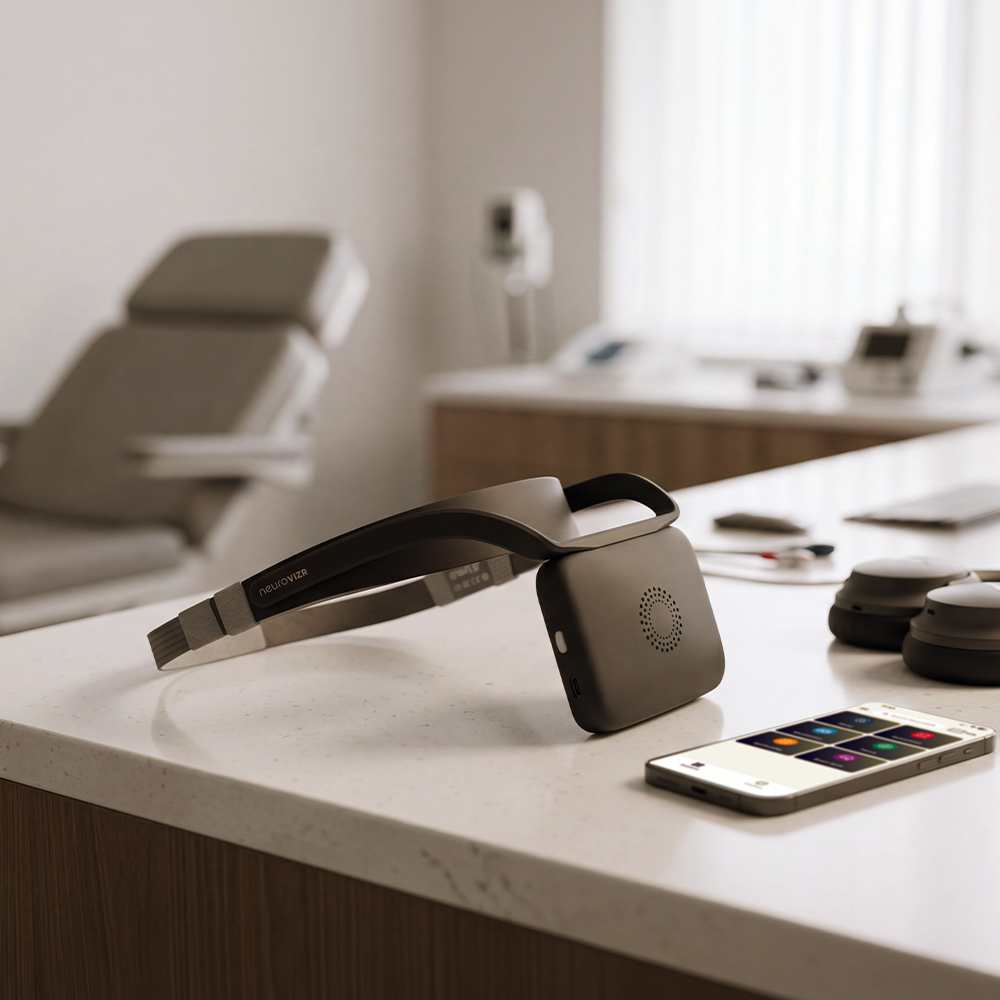
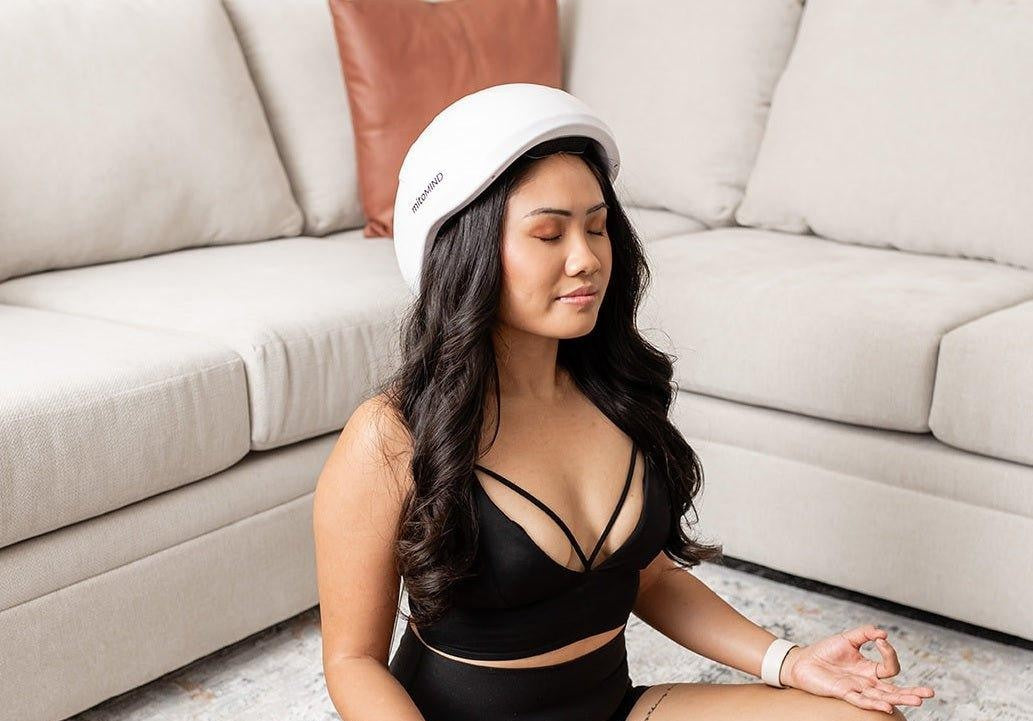
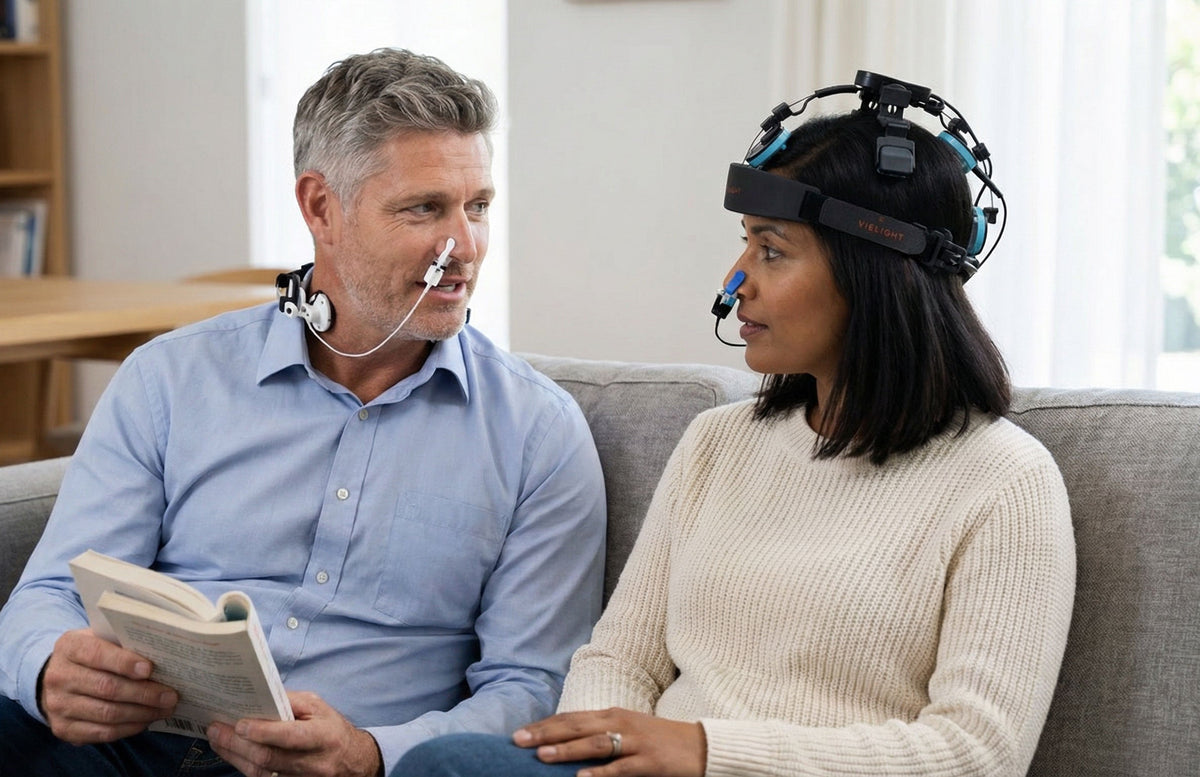
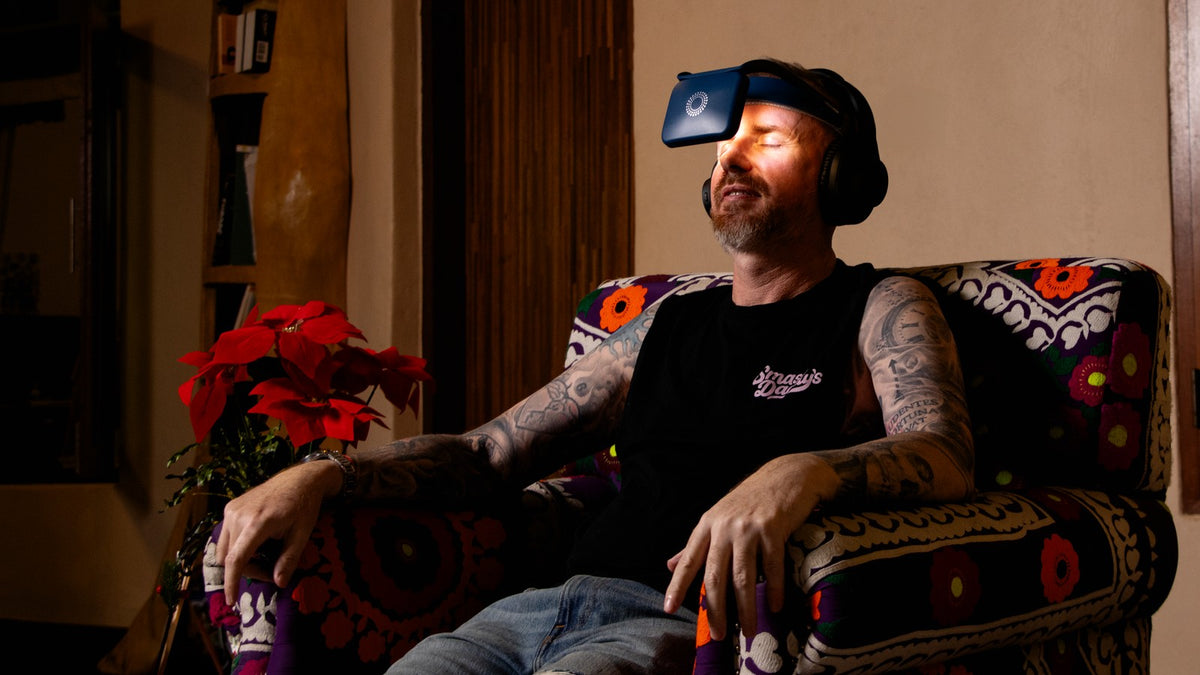
Elevate is for later. These are the more demanding or earlier-stage practices, such as cold exposure and light-and-sound tools for mental state. Cold plunging has a growing but still-maturing evidence base for recovery and mood, and brain light-and-sound tools are earlier-stage, promising but not settled. They belong at the top of the stack because they ask the most of you and prove the least so far.
Adding Elevate before Signal and Restore are steady is the most common mistake. The novelty is high and the payoff is uncertain, so it works best as a deliberate addition to a foundation that is already working.
What does the evidence support?
Evidence across longevity tech is mixed, and being clear about that is the whole point. Some categories rest on a solid research base, others are promising but early. Treating them all as equally proven is how people waste time and money. Here is a plain map of where things stand.
| Tier | Category | State of the evidence |
|---|---|---|
| Signal | Biological age and diagnostics | More established; useful for tracking, not diagnosis |
| Restore | Red and near-infrared light | Reasonably developed research base for recovery and comfort |
| Restore | PEMF | Reasonably studied for recovery and comfort support |
| Restore | Infrared heat | Established evidence for relaxation and circulatory support |
| Elevate | Cold exposure | Growing but still maturing |
| Elevate | Brain light-and-sound | Earlier-stage; promising, not settled |
| Support | Clean air and water | Sensible for environment; not a longevity cure |
None of these tools treat, cure, or prevent disease, and no reliable guide will tell you otherwise. They are wellness tools that may support normal processes like recovery, comfort, and daily function. Where research is strong we say so, and where it is thin we say that too. You can read more about how we vet what makes it in through The Kove Standard.
How do you build your first stack step by step?
Build in order, one tool per tier, and give each one enough time to show a pattern before adding the next. A workable first stack is often just two or three tools used consistently for a few months, not a room full of equipment. The steps below keep it simple.
- Set a baseline (Signal). Establish where you stand with a measurement you can repeat later, such as a biological age assessment.
- Pick one Restore tool. Choose the recovery support that fits your routine, whether that is red light therapy, PEMF, or infrared heat.
- Use it consistently. Give it several weeks of regular use in short sessions before judging it.
- Re-check your Signal. Compare against your baseline and your own sense of recovery and energy.
- Add Elevate only when ready. Once the foundation holds, consider a cold plunge or a light-and-sound practice.
- Keep your environment clean. Steady inputs like clean air and water support everything else quietly in the background.
What a first longevity stack will not do
A longevity stack will not reverse aging, cure a condition, or replace medical care, sleep, movement, or a decent diet. These tools support the body's normal recovery and function; they are not a substitute for the fundamentals, and no device changes that. Anyone promising otherwise is overselling.
It also will not work as a one-time purchase you use twice. The benefit, where there is one, comes from consistency over months. And it will not give you certainty on the earlier-stage categories. Part of building a first stack is accepting that some tiers are well supported and some are still being studied, and choosing with that in mind. If you have a health condition, talk to a qualified professional before adding anything new.
If you want to see how each tier translates into a specific tool, here are Kove devices that map to Signal, Restore, and Elevate.
Devices to explore at Kove
- Signal: the GlycanAge Biological Age Test for a baseline you can re-check over time.
- Restore: the MitoPRO+ Red Light Therapy Panel for red and near-infrared light.
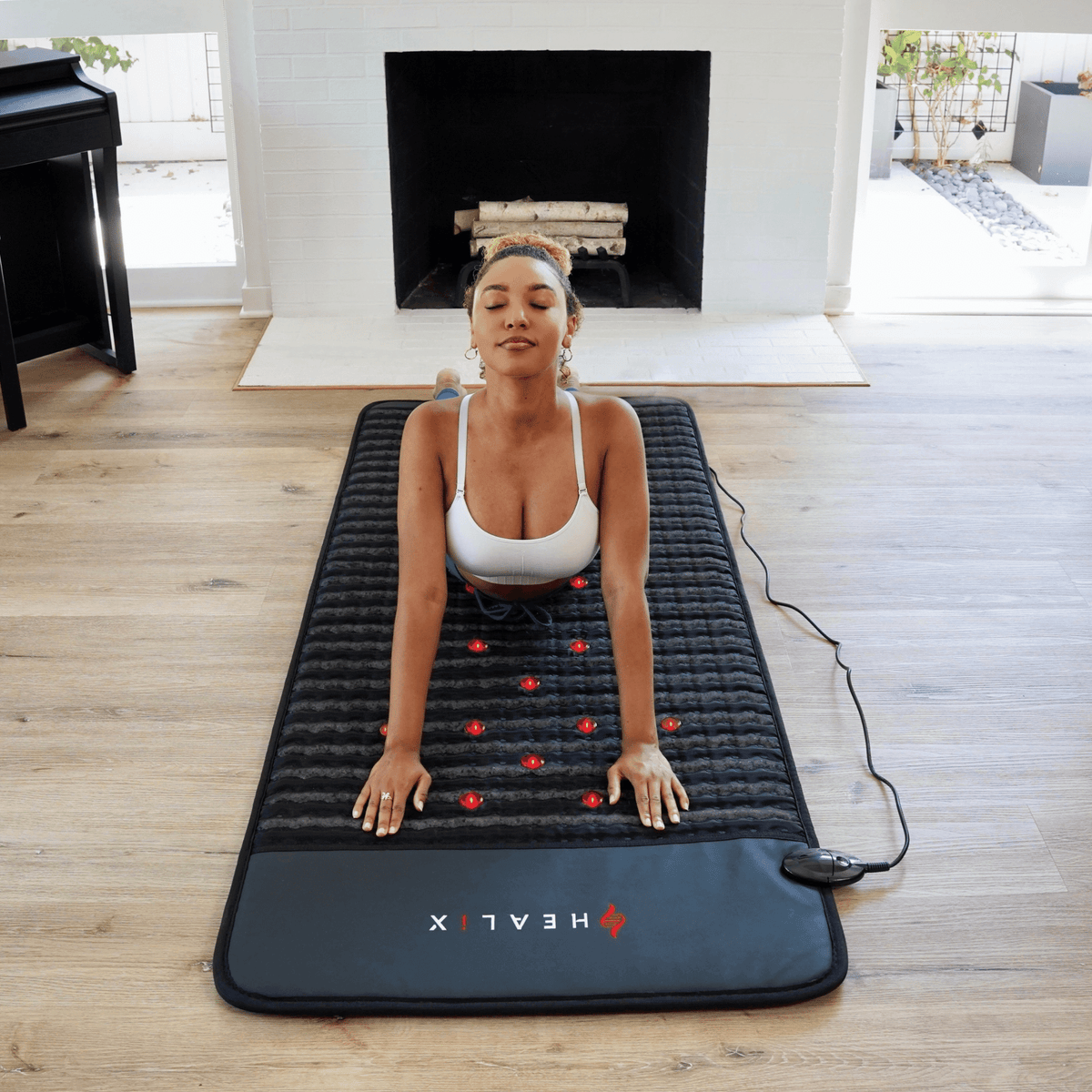
- Restore: the HEALiX Revive PEMF Mat for gentle PEMF support.
- Restore: the Thera360 Plus Portable Infrared Sauna for infrared heat.
- Elevate: the Frozin Complete Cold Plunge System for cold exposure.
- Elevate: the Brain & Light collection for light-and-sound practice.
Frequently asked questions
How many products should a beginner longevity stack have?
Start with two or three, ideally one from Signal and one from Restore, plus a possible Elevate tool later. A small stack you use every week beats a large one you rotate through and abandon. You can always expand once a habit is established.
Where should I start if I only pick one thing?
Start with Signal, a baseline measurement, because it tells you where you stand and lets you judge everything you add afterward. If measurement is not your first priority, a well-studied Restore tool like red light or infrared heat is a reasonable single starting point.
How long before I notice anything?
Give any Restore or Elevate tool several weeks of consistent use before judging it, since most support gradual processes, not instant effects. Re-checking a Signal metric at six or twelve months shows change more reliably than day-to-day impressions.
Is a longevity stack backed by science?
Partly: a longevity stack's evidence depends on the tier. Diagnostics, red light, PEMF, and heat have a more developed research base, while cold exposure is growing and brain light-and-sound is earlier-stage. No part of a stack treats or cures disease; these are wellness tools that may support normal function.
Do I need to measure my biological age first?
You do not need to, but a baseline makes the rest of the stack easier to evaluate. A biological age test measures markers linked to aging and gives you a figure to re-check over time. It tracks and informs; it does not diagnose anything.
Can I build a stack without expensive equipment?
Yes. Consistent habits, a clean environment, and one or two well-chosen tools go further than a large collection. The framework adds tools slowly, so cost spreads out and each addition proves useful before the next.
The best first stack is the one you will keep. If you want a guided way to figure out your starting point across Signal, Restore, and Elevate, work through the Build Your Own Stack guidance, or browse the Kove Stack to see how the tiers fit together. Build slowly, measure carefully, and let consistency do the work.