
Contents
More on Red Light
Red Light Therapy Benefits and What the Research Supports
Red light therapy works, within limits, and the device specs decide how well. What the evidence supports, how to calculate dose, and which format fits which use.
Red light therapy uses red and near infrared light, usually between 600 and 900 nanometers, to reach skin and tissue and support how cells produce energy. The research is strongest for skin quality and muscle recovery. Results depend almost entirely on three things: wavelength, intensity at the distance you sit, and how many minutes you do it.
Red light therapy is one of the better studied technologies in this category, and one of the easiest to buy badly. Two panels can look identical, cost the same, and deliver very different amounts of light. This guide covers what the light does, what the evidence supports and does not, how to read a spec sheet without being fooled by it, and how the formats compare across our products.
What is red light therapy?
Red light therapy, also called photobiomodulation or low level light therapy, is the use of red and near infrared light at levels that do not heat or damage tissue. Red light, roughly 600 to 700 nm, is absorbed near the surface and is mostly a skin story. Near infrared, roughly 800 to 900 nm, passes deeper and is the range used for muscle and joint work.
It is not a laser treatment and it is not a tanning bed. There is no ultraviolet light involved, and a session is not supposed to feel hot. If a device burns or dries the skin, something is wrong with how it is being used.
How does red light therapy work?
The most supported explanation involves cytochrome c oxidase, an enzyme in the mitochondria that absorbs light in exactly these wavelengths. When it does, cells appear to produce ATP more efficiently for a period afterward, and signaling molecules shift in ways researchers have measured in tissue samples. A second line of research points to changes in local blood flow.
What matters practically is that this is a dose response, not a switch. Too little light does nothing measurable. Too much, past a certain point, does not keep helping and in some studies does less than a moderate dose. That is why the specs below matter more than the marketing.
What does the evidence support?
A plain summary of where the published work is strongest, and where it is thin.
- Skin quality. The largest and most consistent body of research. Controlled studies have measured changes in collagen density, fine lines, and skin texture over 8 to 12 week protocols.
- Muscle recovery and soreness. Well studied in sports science. Trials have measured reduced perceived soreness and faster strength recovery when light is applied before or shortly after training.
- Local circulation. Measurable increases in blood flow to the treated area, which is the mechanism behind much of the recovery work.
- Hair. A real research base for scalp devices, though most of it uses specific device designs rather than general panels.
- Sleep and daily energy. Emerging and mixed. Some studies measure improvements, sample sizes are small, and the mechanism is less settled than the skin work.
Kove does not claim red light therapy treats, cures, or prevents any condition, and no device on this site is sold for that purpose. What the studies measured is described above, and the limits are described below.
What will red light therapy not do?
This section exists because most sites skip it.
- It will not replace sleep, protein, or training. Recovery tools work on the margin of a routine that already exists.
- It will not produce visible skin change in a week. Skin studies run 8 to 12 weeks for a reason.
- It will not work through clothing. Light has to reach skin.
- It will not do more because you sat there longer. Past the effective dose, extra minutes stop adding.
- It is not a weight loss device, whatever the ads say.
What separates a good device from a weak one?
Five specs decide whether a device delivers meaningful light. Everything else is convenience.
- Wavelengths. Look for red near 630 to 660 nm and near infrared near 810 to 850 nm. Devices that publish a blend, for example 25 percent each of 630, 660, 830, and 850 nm, are telling you something specific. Devices that say only "red light" are not.
- Irradiance, and the distance it was measured at. This is the number that gets inflated. Irradiance is power per area, in milliwatts per square centimeter, and it falls off fast with distance. A reading taken at the surface and a reading taken at six inches are different claims. A solar meter also reads higher than a lab spectroradiometer, so ask which was used.
- Coverage. A strong beam over a small area treats a knee. A full body session needs a panel, a pod, or a wrap. Coverage is what decides session time.
- Flicker and EMF. Cheap drivers flicker, which is a comfort issue for some people. Low EMF designs matter most for devices used close to the body.
- Third party verification. Independently verified irradiance, IEC 60601 testing, an ISO quality system. These are the difference between a published number and a checked one.
For a line by line walkthrough of a real spec sheet, including the irradiance figures to trust and what LED counts, watts, and pulsing tell you, read our guide to reading red light specs.
How much light is enough?
Dose is the part almost nobody explains, and it is simple arithmetic. Energy delivered, in joules per square centimeter, equals irradiance in milliwatts per square centimeter multiplied by session length in seconds, divided by 1,000.
A worked example with real numbers. A panel measured at 70 mW/cm² at six inches, used for 10 minutes, delivers 70 x 600 / 1,000 = 42 J/cm² at that distance. Most skin research clusters far lower, in the 3 to 10 J/cm² range, while deeper tissue work uses more. That is why a strong panel needs short sessions, and why a gentle wearable can run 20 minutes and still be reasonable.
Two practical consequences. First, a device with lower irradiance is not automatically worse, it just needs longer or closer sessions. Second, if a brand will not tell you irradiance at a stated distance, you cannot calculate dose at all, and you are buying a light bulb with a story attached.
Which format fits which use?
The right device is decided by the area you want to treat and the time you will realistically spend. Specs below are as published by each manufacturer, with the measurement method noted where the manufacturer states it. Prices are as of August 2026 and the product page is always the source of truth.
| Format | Best for | Published output | Example at Kove | From |
|---|---|---|---|---|
| Face mask | Skin, hands free, 5 to 10 minute sessions | Up to 25 mW/cm², 1,064 LEDs | MitoGLOW LED Face Mask | $499 |
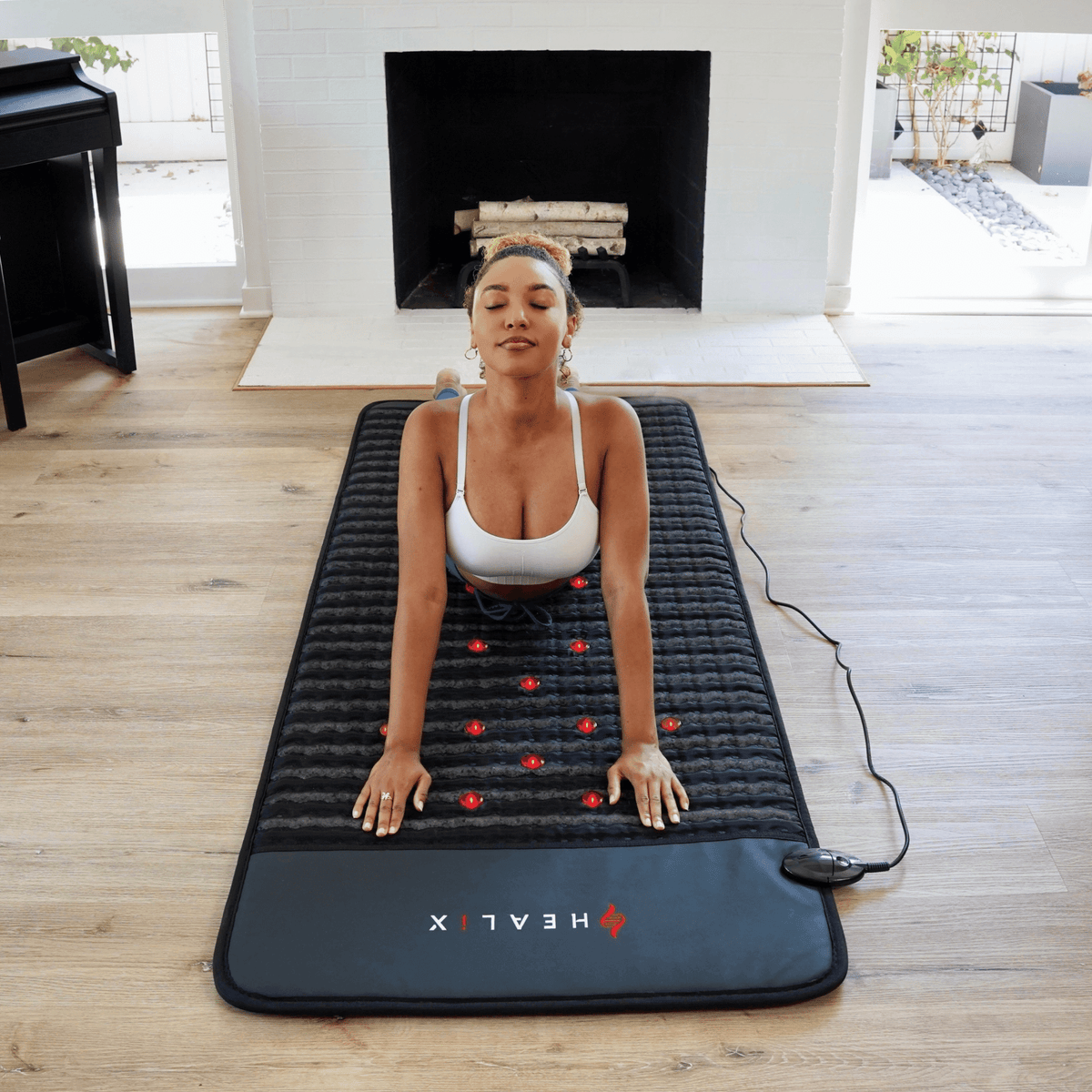
| Shaped pad | Neck, shoulders, upper back, with gentle heat | 130 mW/cm² at 6 in, 180 LEDs | TheraPerfect Pad | $420 |
| Wearable belt | Abdomen, lower back, hips while moving around | 18 mW/cm², 405 diodes | MitoQUAD Belt | $349 |
| Modular panel | Targeted areas now, expandable to full body later | Over 60 to 68 mW/cm² at 6 in, lab measured | MitoPRO+ Panel Series | $369 |
| Half body panel | Upper or lower body per session | Over 68 mW/cm² at 6 in, lab measured | MitoMID 2.0 | $449 |
| Full body panel | Whole body coverage standing | Over 70 to 74 mW/cm² at 6 in, lab measured | MitoMAX 2.0 and MitoMEGA 2.0 | $749 |
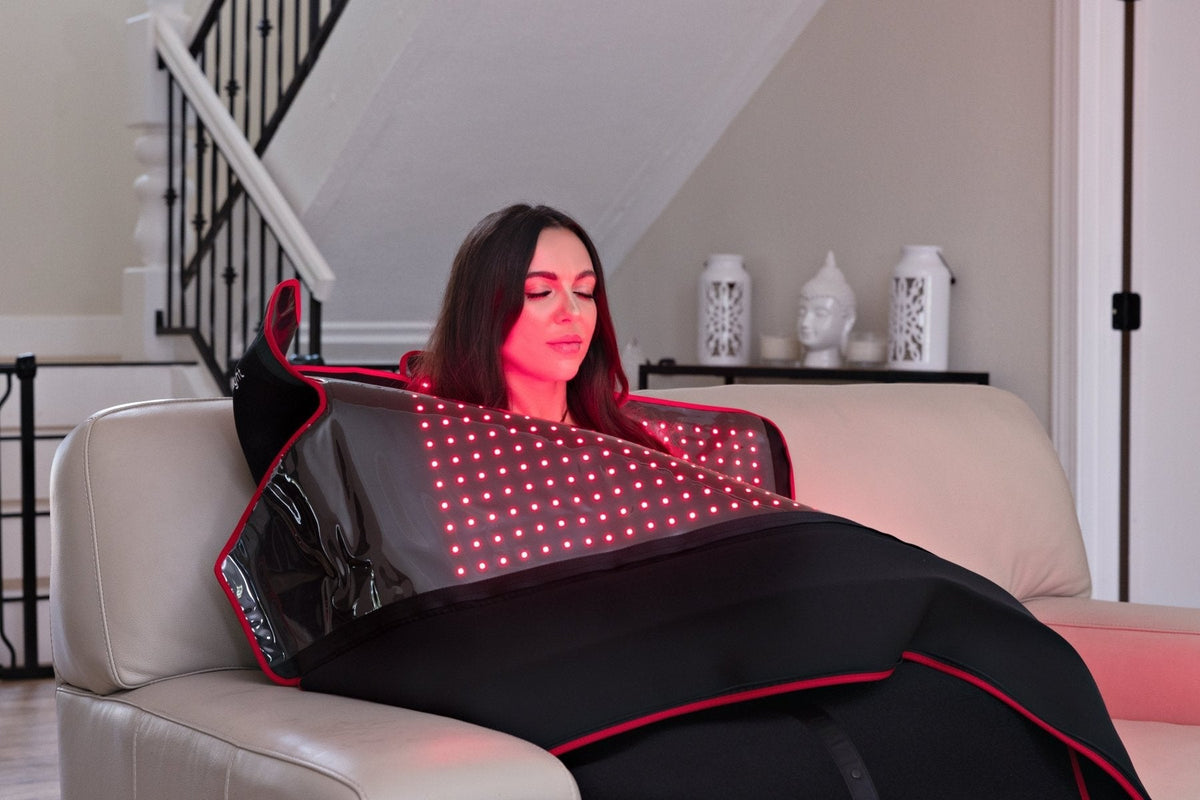
| Wrap or pod | Head to toe coverage lying down, packs away | 30 mW/cm² at the surface, up to 149 mW/cm² on high output pods | MitoPOD Wrap, HEALiX Glow Pod, HEALiX Elevate | $1,499.99 |
| Multi wavelength system | Studios, clinics, and serious home setups | Seven channels including blue, red, and near infrared | Vasindux GENX PRO 2.0 | $6,495 |
See every option side by side in the red light and light therapy collection, or answer six questions and get a starting setup with Build Your Own Stack.
How do people use red light therapy at home?
Common practice across the research and the manufacturer protocols looks like this. Skin to light, no clothing over the target area. Distance set where the manufacturer measured irradiance, usually six inches for panels and directly against the body for pads and wraps. Sessions of 5 to 20 minutes depending on output. Three to five sessions a week, not one long weekly session, because consistency is what the studies model.
Eye protection when you are facing a high output panel. Most panels ship with eyewear, and it is worth using. If a device gets hot, back it off. And give it 8 to 12 weeks before deciding whether it did anything, because that is the window most studies use.
Is red light therapy safe?
Red and near infrared light in this range contains no ultraviolet and is generally well tolerated. The most common complaints are temporary redness, dryness, or eye strain from staring into a bright panel. People who are pregnant, taking photosensitizing medication, or being treated for a specific condition should talk to their own clinician first. Kove does not provide medical advice, and our medical disclaimer explains where that line sits.
What does FDA cleared mean?
This phrase gets used loosely, and the difference matters when you are spending real money.
- FDA cleared means the manufacturer submitted a 510(k) application for that specific device and the FDA agreed it is substantially equivalent to a device already on the market for a stated use. It is a real regulatory step tied to a real product.
- FDA registered or manufactured in an FDA registered facility means the company or the facility is listed with the FDA. It is a paperwork status, not a review of the device.
- FDA approved is a stricter category that applies to a small set of medical products, and almost never to a consumer light panel. Anyone using it casually is overselling.
Both statuses appear across our catalog and each product page states which one applies to that device. For the full story, including how to verify any brand's claim in the FDA database, read our guide to FDA clearance for red light devices.
Can you use HSA or FSA money for red light therapy?
Often, yes. Eligibility is decided per order by an independent licensed provider, based on your health needs rather than on the product category, and documented in a Letter of Medical Necessity. Kove runs this through Truemed at checkout with a short survey. Details are on the HSA and FSA page, and the qualifying range is in the HSA/FSA eligible collection.
How does red light fit with the rest of a routine?
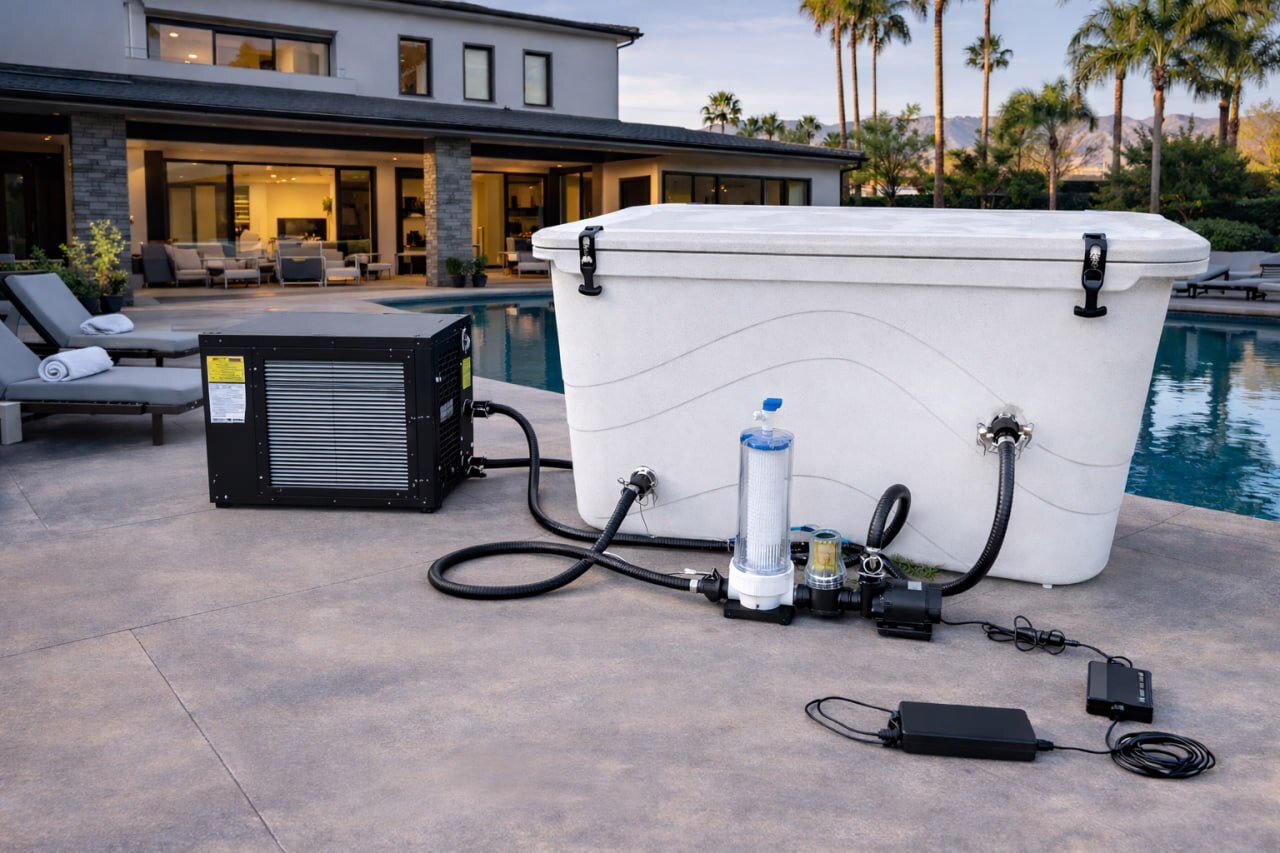
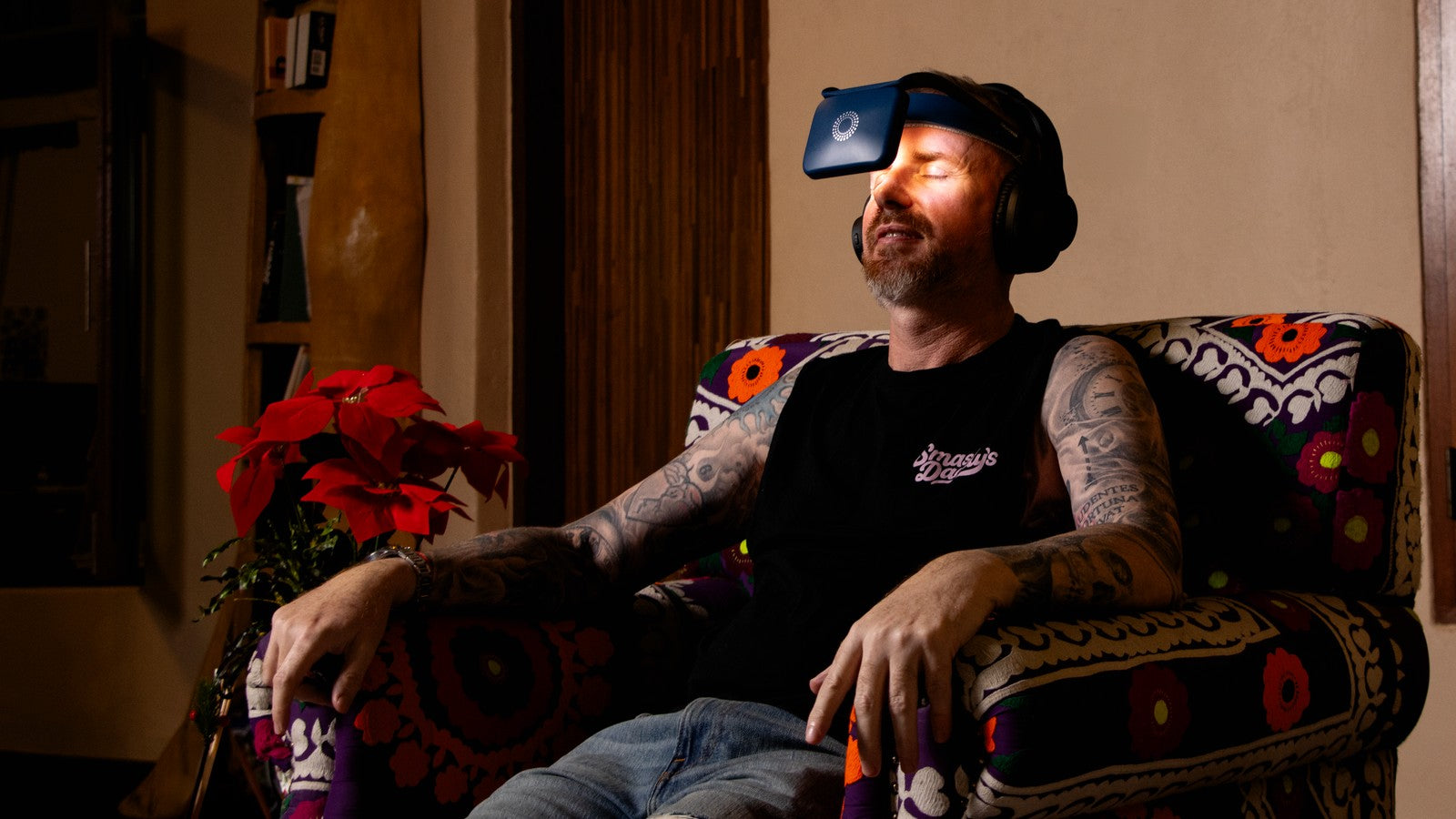
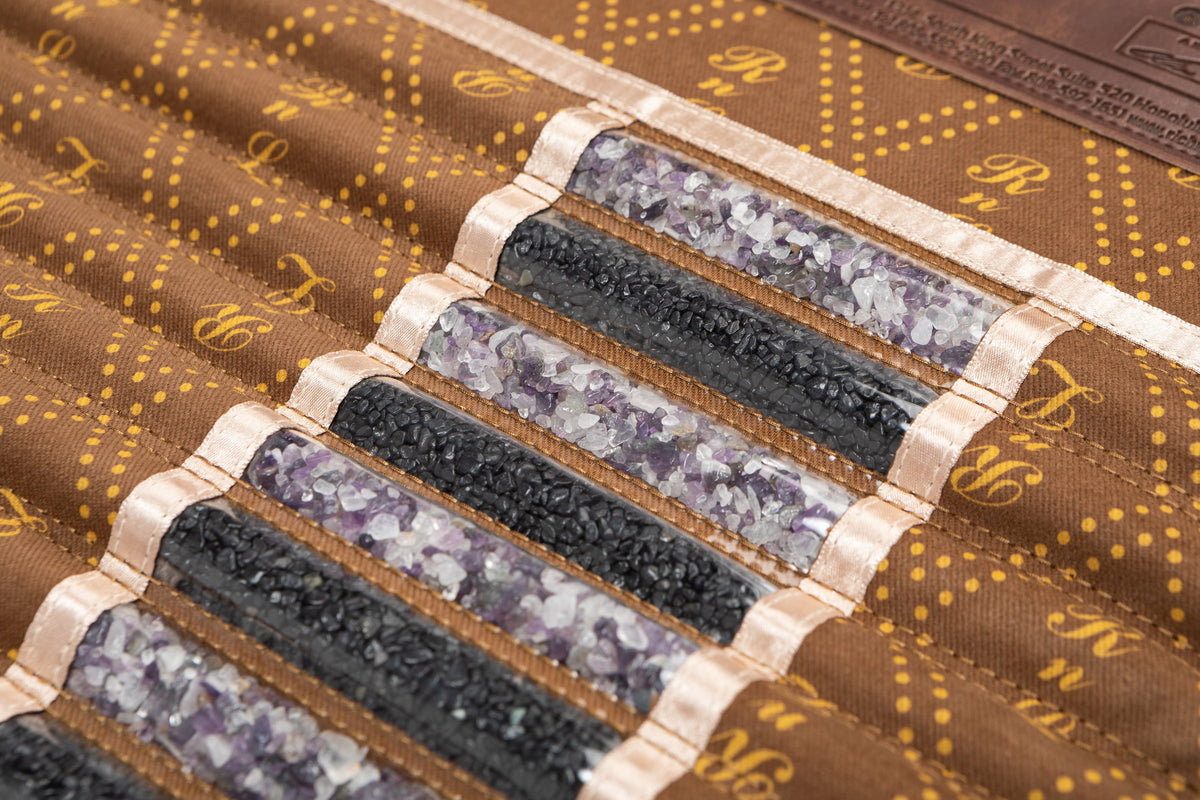
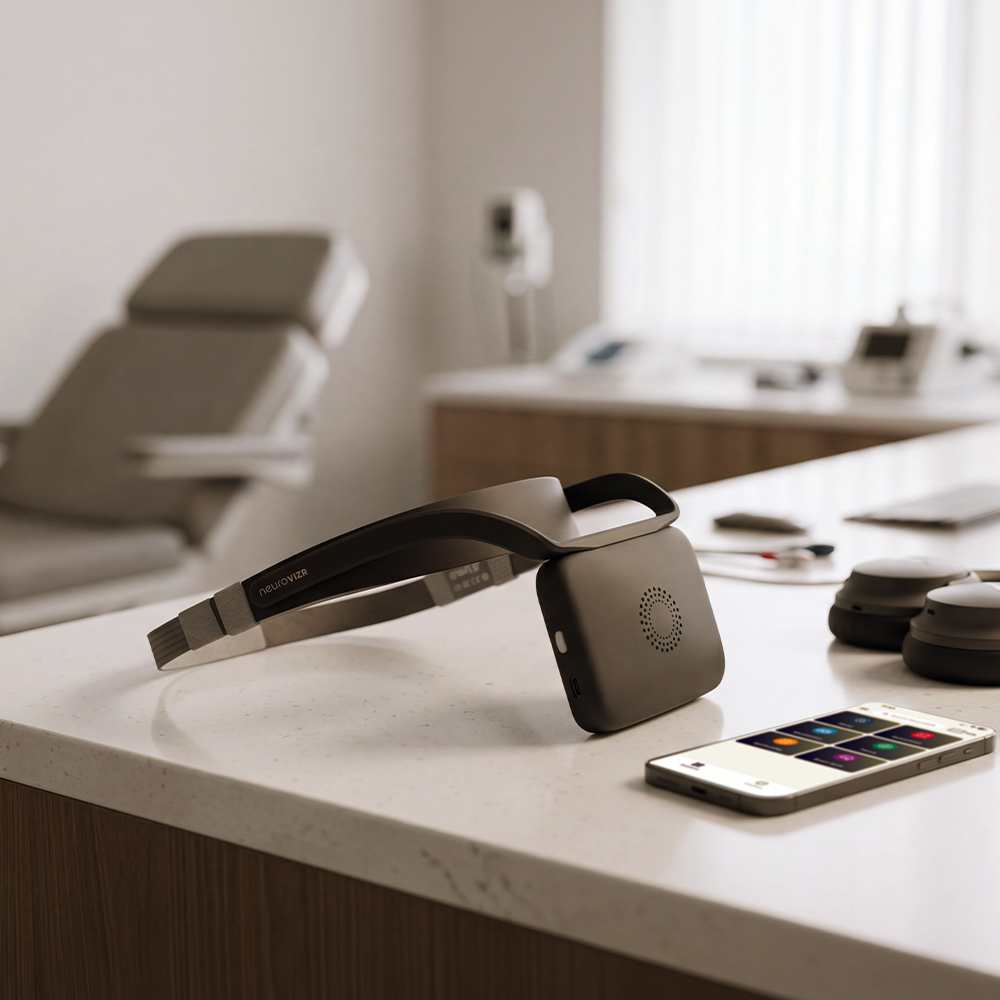
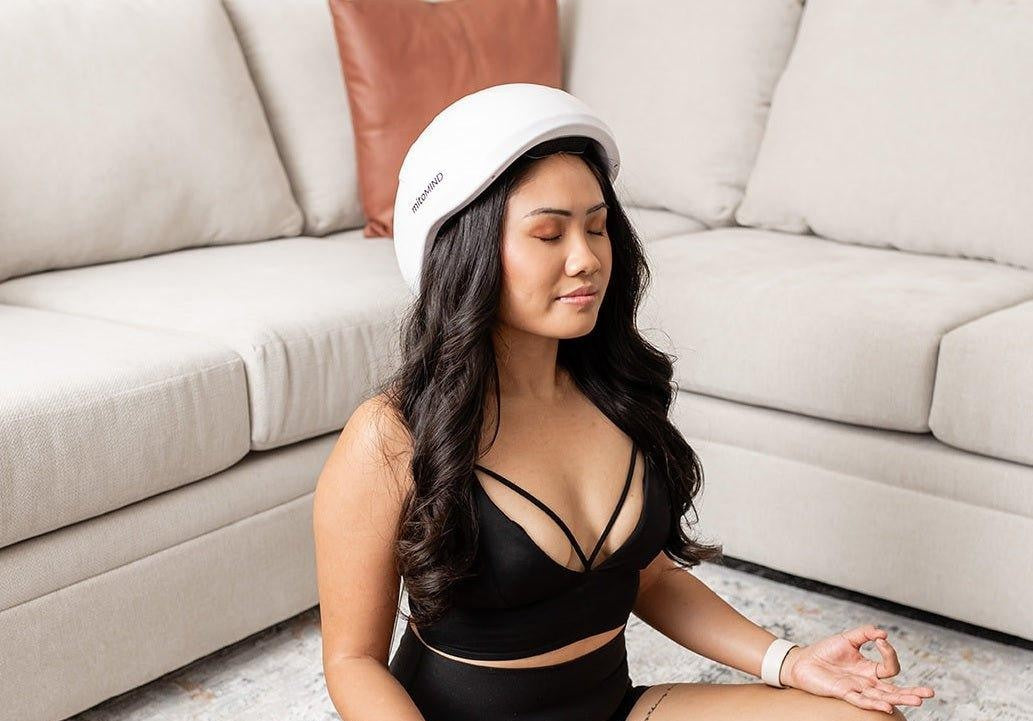
Red light is one input among several, and the pairings that make sense are the ones that do different jobs. Light before or after training pairs naturally with cold exposure for soreness, and with PEMF for people who want a passive session while lying down. Infrared heat covers the same recovery slot with a very different feel, so most people pick one and skip stacking both daily. For anything involving the head, light and sound devices are a separate category with their own evidence base.
If you want to know whether any of it is moving the needle, biological age testing is the measurement layer, and building a first stack covers the order to add things in.
What should you ask before buying a red light device?
A short checklist that separates a real purchase from an expensive lamp. Any brand worth buying answers all six without hedging.
- Which wavelengths does it emit, in nanometers, and in what proportion?
- What is the irradiance, at what distance, and was it measured with a lab spectroradiometer or a solar meter?
- How large is the treatment area, and how many sessions would a full body pass take?
- Is the output verified by an independent third party, or is it a manufacturer number only?
- What is the warranty length, and who honors it?
- What is the return window if it turns out to be the wrong format for your space?
Kove publishes the answers to the first four on every product page, and the warranty and returns terms are on the returns and warranty page. If a spec is missing anywhere on this site, email support@kovelongevity.com and we will get it from the manufacturer or say plainly that it is not published.
Common mistakes people make with red light therapy
- Buying on LED count. Three thousand weak diodes can deliver less usable light than three hundred strong ones. Output at distance is the number that matters.
- Sitting too far away. Intensity drops with the square of the distance. Doubling your distance cuts intensity to roughly a quarter, which turns a 10 minute session into a 40 minute one.
- Treating through clothing. Fabric blocks most of it. Skin has to be exposed.
- Chasing the biggest panel first. Most people use a small device consistently and a large one occasionally. Match the device to the habit you will keep.
- Stopping at three weeks. Recovery effects show up fast, skin effects do not. The studies run 8 to 12 weeks.
- Comparing prices without comparing coverage. A $400 pad and a $1,500 pod are not competing products. Compare within a format, then decide which format you need.
Frequently asked questions
How often should you use red light therapy?
Most manufacturer protocols and study designs land on three to five sessions a week, of 5 to 20 minutes depending on the device output. Daily use is common with lower output wearables. Consistency over 8 to 12 weeks matters more than any single long session.
How far should you sit from a red light panel?
Sit at the distance where the manufacturer measured irradiance, which is usually six inches for a red light panel. Closer increases intensity and shortens the session. Further reduces it quickly, because intensity falls off with the square of the distance.
How long before you see results?
Recovery effects are reported within days. Skin studies typically run 8 to 12 weeks before measuring change. If someone promises visible skin results in a week, treat that as marketing.
Is more irradiance always better?
No. Dose is irradiance multiplied by time, and past the effective dose more light stops adding benefit. A high output panel needs shorter sessions.
What is the difference between red and near infrared light?
Red light, around 630 to 660 nm, is absorbed near the surface and is used mainly for skin. Near infrared, around 810 to 850 nm, penetrates deeper and is used for muscle and joint work. Most quality devices emit both.
Do you need eye protection?
For high output panels, yes, and most ship with eyewear. Masks with a built in blackout shield handle it for you. Never stare directly into a bright panel.
Can you use red light therapy every day?
Many people do, especially with lower output wearables and pads. With a high output full body panel, most protocols space sessions out and keep them short.
Do red light therapy panels use a lot of electricity?
Less than most people expect. A tabletop panel draws around 90 to 150 watts, a full body panel 300 to 476 watts, and sessions are measured in minutes. A 10 minute session on a 300 watt panel uses about 0.05 kilowatt hours.
Which red light device should a beginner buy?
Match the device to the area you care about. Face only, a mask. One stubborn joint or a specific muscle group, a pad or targeted device. Whole body, a full body panel or a pod. If you are not sure, the stack quiz narrows it in about two minutes, or email support@kovelongevity.com and our team will answer.
Red light therapy in brief
Red light therapy is real, moderately well evidenced for skin and recovery, and highly dependent on the specs of the device you buy. Ask for wavelength, irradiance at a stated distance, and how that number was measured. Work out the dose. Pick the format that matches the area you want to treat, then be consistent for two to three months.
Every device in the Kove red light collection publishes its wavelengths and output, and every price includes free US shipping with our Price Beat guarantee.