

Contents
More on PEMF
PEMF Mat Buying Guide: Intensity, Frequency, and Formats
How to compare PEMF mats without being fooled by units: intensity in microtesla, frequency range, waveform control, and the combination-versus-dedicated decision.
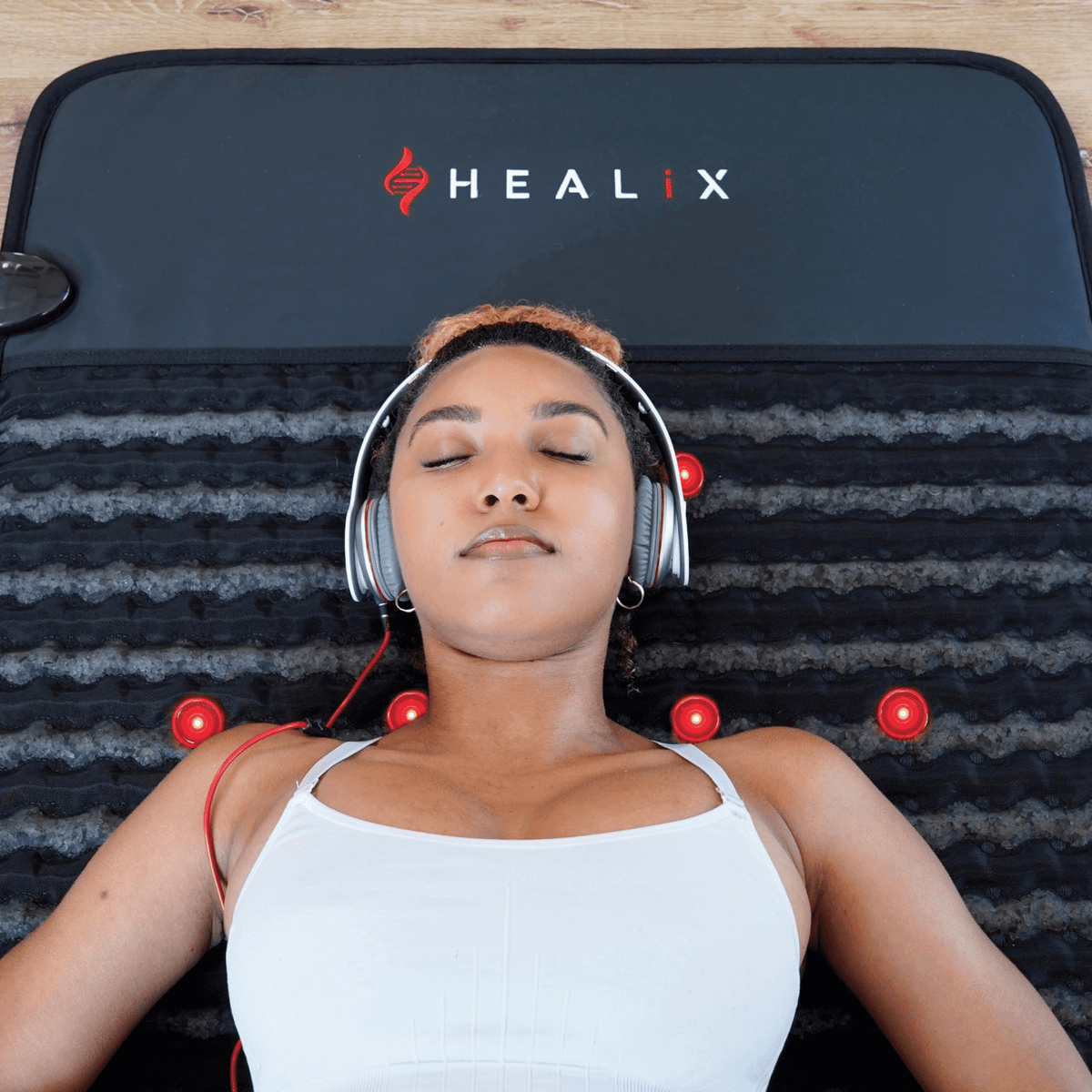
Choosing a PEMF mat comes down to five specs: field intensity (convert everything to microtesla first), frequency range, waveform control, coil count, and whether you want PEMF alone or combined with heat and light. Under $1,200 buys an excellent combination mat; dedicated systems with finer control run $2,195 to $3,295.
Our PEMF therapy guide covers the science and its limits. This one covers the purchase: how to compare mats without being fooled by units, and which system fits which buyer.
Step one: convert the units
Field strength is quoted in gauss or microtesla, and 1 gauss equals 100 microtesla. Brands quote whichever unit reads better, so a "3 gauss" mat and a "300 microtesla" mat are the same strength, and a "5 to 200 microtesla" system is not a lesser machine for having a lower peak number. Convert everything to microtesla before comparing, and remember the counterintuitive rule from the main guide: within home mats, intensity is a design choice, not a score.
Step two: decide combination or dedicated
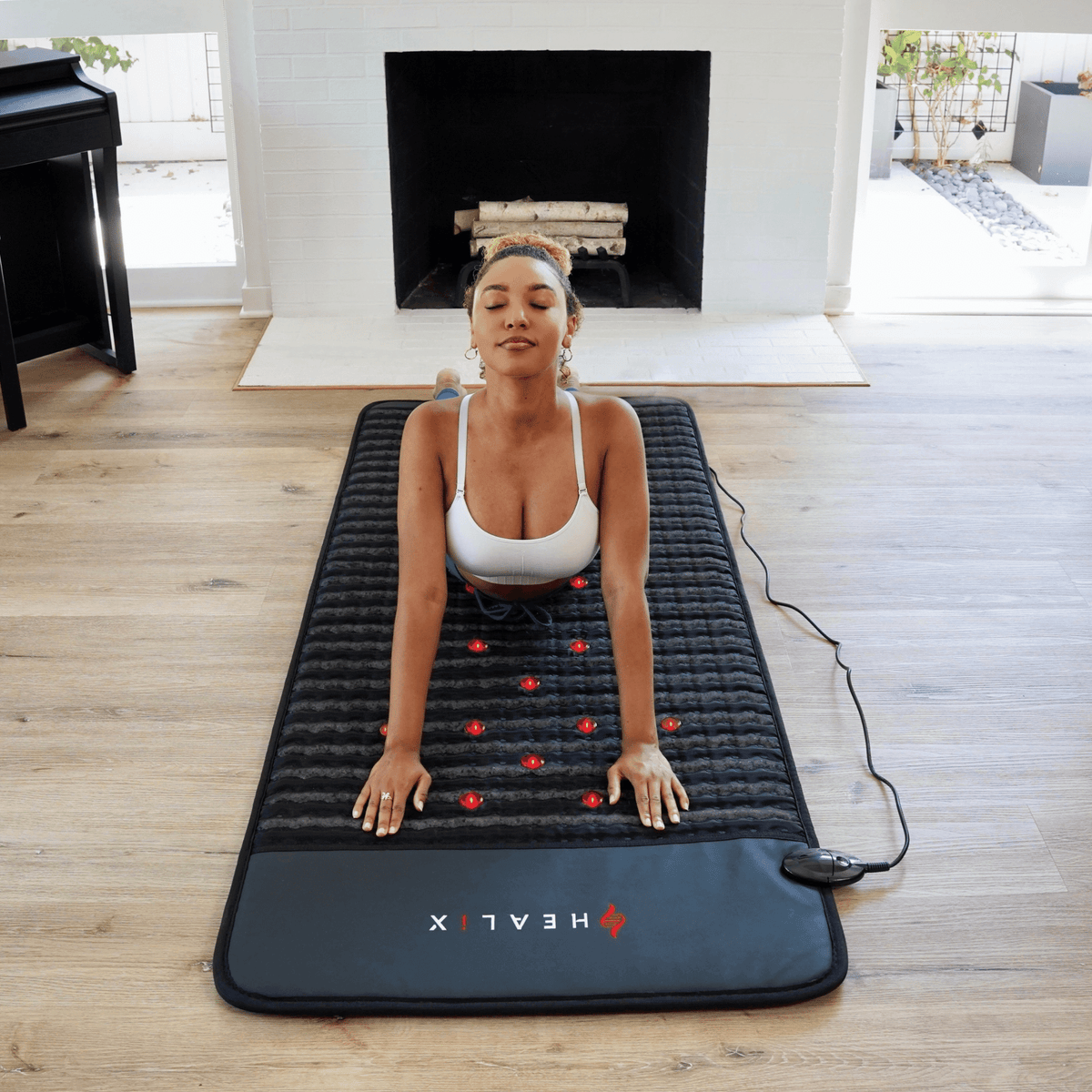
- Combination mats bundle PEMF with far-infrared heat and red light on a single lie-down surface. One purchase, one habit, warmth you can feel, PEMF you cannot. The trade: fixed pulse designs and fewer PEMF-specific controls.
- Dedicated systems are a controller plus applicators, all PEMF. No heat, nothing to feel, and much finer control over frequency, waveform, polarity, and intensity, plus applicators you can add later.
The deciding question: if the warmth is what will get you onto the mat every evening, buy the combination. If you want to run specific frequencies and programs, buy the system.
The options, compared
Specs as published by each manufacturer. Prices as of August 2026; the product page is the source of truth.
| Mat | Type | Intensity | Frequency | From |
|---|---|---|---|---|
| HEALiX Revive Mini | Combo: PEMF + far-infrared + red light, 39 x 19.5 in | 300 microtesla (3 gauss) | 1 to 50 Hz, 14 presets | $599.99 |
| HEALiX Revive | Combo, full length 31.5 x 75 in | 300 microtesla (3 gauss) | 1 to 50 Hz, 14 presets | $1,099.99 |
| Vasindux Pro Mat | Dedicated: controller + 8-coil full body mat, made in Europe | 5 to 75 microtesla | 0.1 to 99 Hz, sine + square, 12 presets | $2,195 |
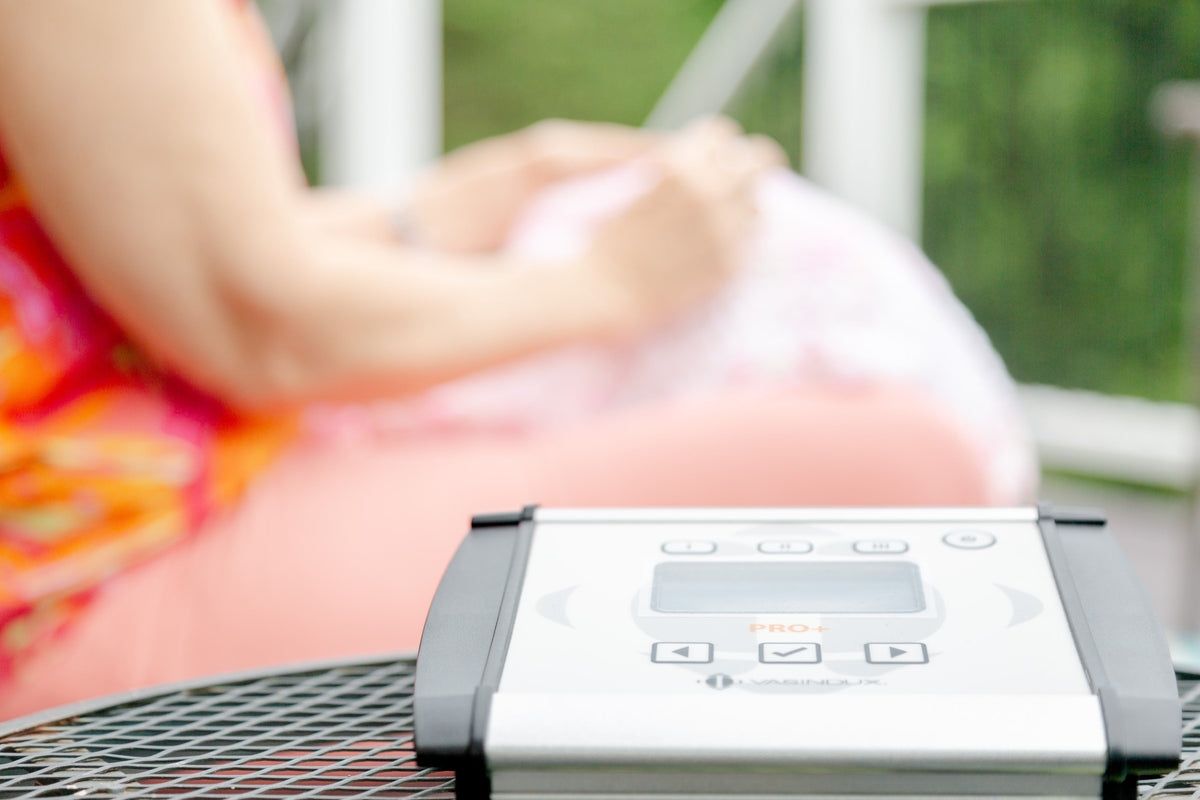
| Vasindux Pro+ Mat | Dedicated: dual output controller, assembled in the USA | 5 to 200 microtesla | 0.5 to 963 Hz, 38 programs, 180 min sleep program | $2,795 |
| Vasindux Pro Package | Pro controller + full mat + chair mat + therapy ring | Up to 180 microtesla (ring) | 0.1 to 99 Hz | $2,695 |
| Vasindux Pro+ Package | Pro+ controller + 3 applicators | Up to 220 microtesla (ring) | 0.5 to 963 Hz | $3,295 |
Which buyer maps to which mat?
- First mat, evening relaxation, smaller budget: the Revive Mini. Real PEMF, real warmth, chair-and-desk friendly size.
- One purchase for the whole body, warmth included: the full-size Revive. The most mat per dollar in the lineup.
- PEMF purist, wants waveform and polarity control: the Vasindux Pro Mat. European-built, sine and square, a clean single-channel system.
- Most control, overnight programs, two zones at once: the Pro+ Mat, whose dual output runs two applicators simultaneously and whose sleep program covers 180 minutes.
- Building a family or clinic-style setup: either Package, since the mat, chair mat, and ring applicators are universal across Pro and Pro+ controllers, so the system grows without replacing the brain.
What can you safely ignore?
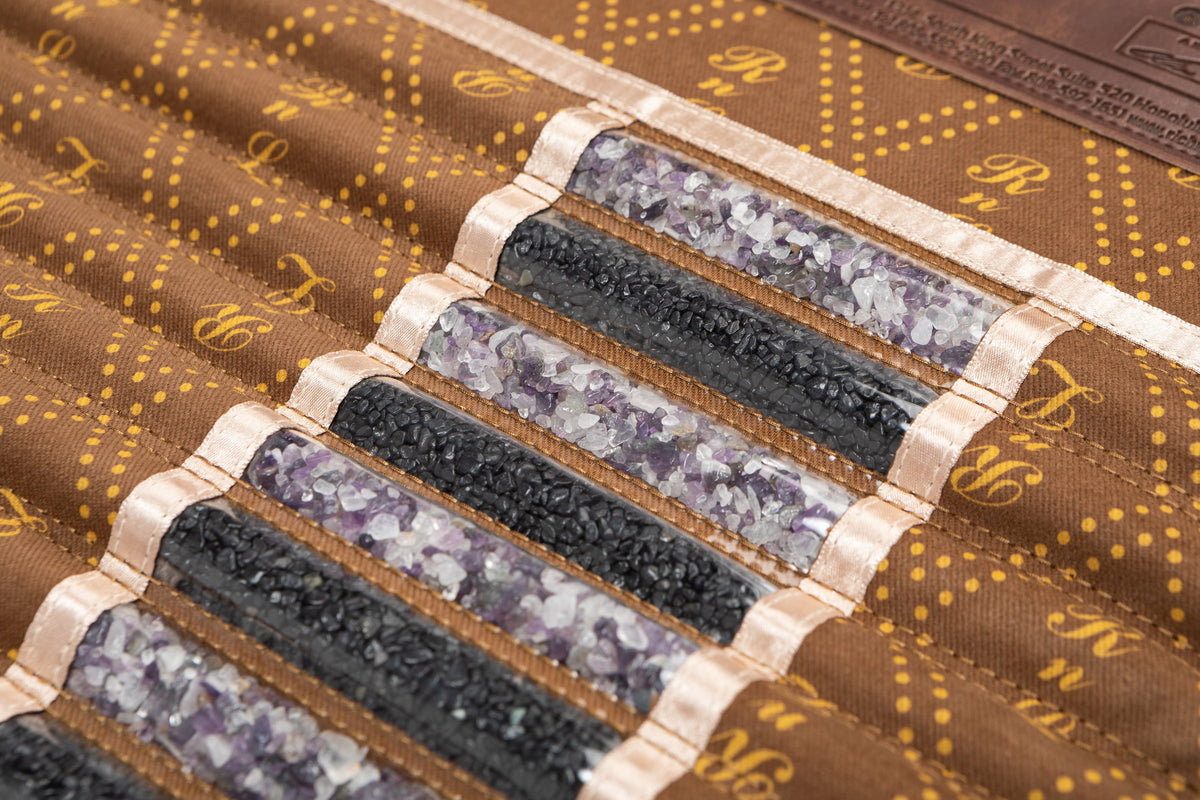
Three spec-sheet distractions. Astronomical intensity claims: clinical machines are a different category, and chasing peak microtesla in a home mat misreads how these are used. Exotic frequency numerology: programs matter because they bundle sensible settings, not because any single frequency is magic. And crystal counts: amethyst and tourmaline layers are pleasant infrared emitters in combination mats, not the active ingredient in the PEMF.
Checklist before you buy
- Intensity converted to microtesla, and published, not implied.
- Frequency range wide enough for both evening and daytime programs.
- Session controls you will use: presets, timers, and for overnight use, a sleep program long enough to matter.
- Size against your actual floor or bed space, measured, not guessed.
- The contraindication check: no implanted electronic devices, and clinician sign-off if pregnant or managing a serious condition.
Frequently asked questions
How much should a good PEMF mat cost?
Combination mats with real PEMF start around $600 and top out near $1,100 at full length. Dedicated systems run $2,195 to $3,295 depending on control depth and applicators. Below a few hundred dollars, published specs get scarce, which is the actual warning sign.
Is a stronger PEMF mat worth paying for?
Usually not: with a PEMF mat, pay for control, not peak intensity. The useful differences between systems are frequency range, waveform, dual output, and program design.
Do I need the chair mat or ring applicators?
You do not need the chair mat or ring on day one. They are the argument for choosing a Vasindux controller, though, since both attach to either controller later without rebuying the system.
Can I use HSA or FSA funds on a PEMF mat?
PEMF mats are among the categories that commonly qualify with a Letter of Medical Necessity, decided per order by an independent licensed provider through Truemed at checkout. Details on the HSA and FSA page.
PEMF mat or infrared mat?
Choose by mechanism: a PEMF mat sends pulses you cannot feel, and an infrared mat gives warmth you can, in the same lying posture. The combination mats exist precisely so you do not have to pick; the infrared mat range covers the heat-only side.
Buying checklist in brief
Convert to microtesla, choose combination or dedicated by the habit you will keep, size it to your space, and buy control over peak numbers. Every system in the PEMF collection publishes the specs this guide compares, with free US shipping and the Price Beat guarantee.


,%20frequency%20range,%20waveform%20control,%20coil%20count,%20and%20whether%20you%20want%20PEMF%20alone%20or%20combined%20wi...)