
Contents
More on Heat
How Often Should You Use an Infrared Sauna?
Three to five sessions a week is where the research points, and frequency matters more than intensity. How to build up, what a session should feel like, and when to skip.
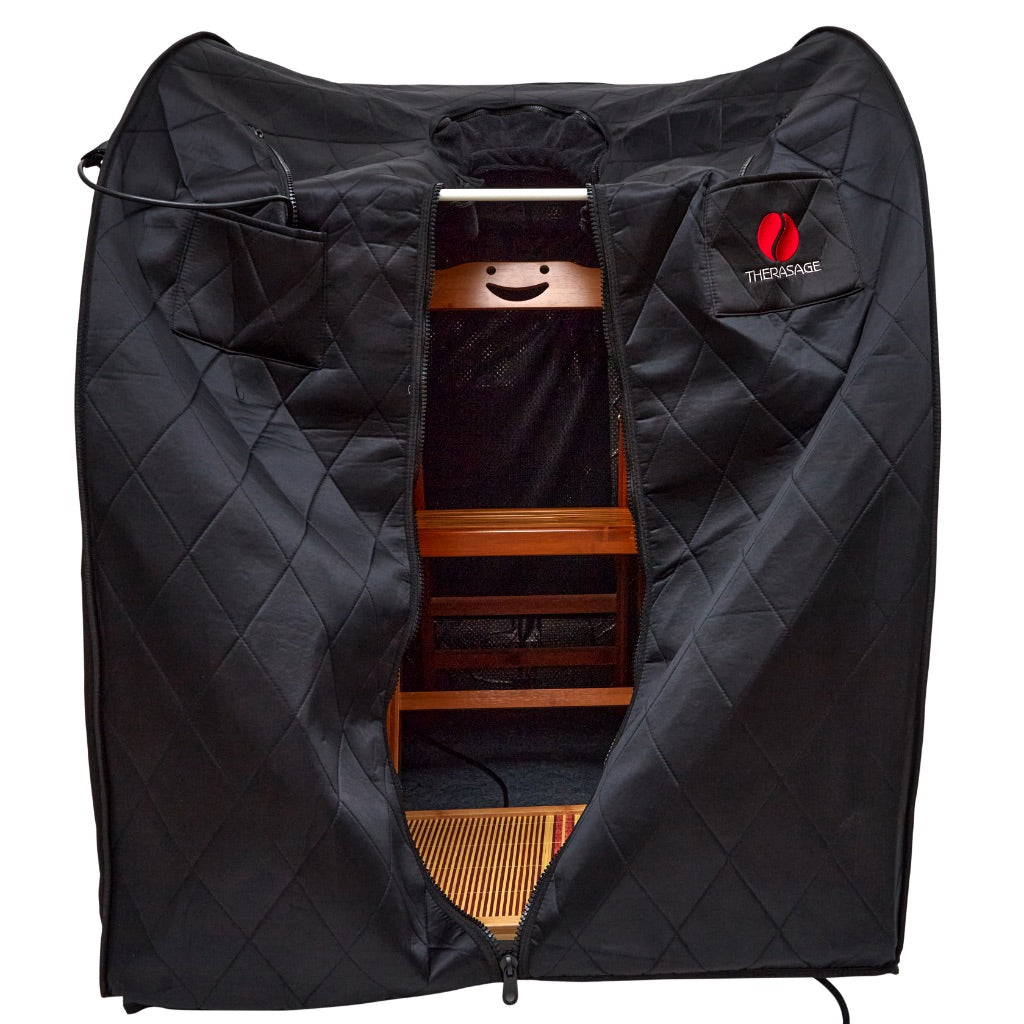
Three to five sessions a week, 20 to 45 minutes each, is where both the research pattern and manufacturer guidance converge for infrared sauna use. Frequency matters more than intensity: the large observational studies of sauna bathers found more sessions per week tracked with stronger associations. Start at two gentle sessions and build over a few weeks, and skip the days you are dehydrated, unwell, or have been drinking.
Frequency is the most asked and least clearly answered question in home sauna use, mostly because the answer is unglamorous: often, moderately, indefinitely. This guide covers the build-up, the session itself, and the skip days. The evidence and format comparison live in the sauna guide.
Where does three to five a week come from?
Two directions that happen to agree. The long-running observational studies of traditional sauna bathers, the best-known longevity data in this space, found the interesting associations strengthened with frequency: the frequent-session groups stood out from the once-a-week groups. And manufacturer protocols across the infrared category, built from a different direction entirely, land in the same range because heat adaptation is a training effect: it builds with regular exposure and fades with long gaps. Like the gym, the schedule you keep beats the schedule you admire.
How to build up
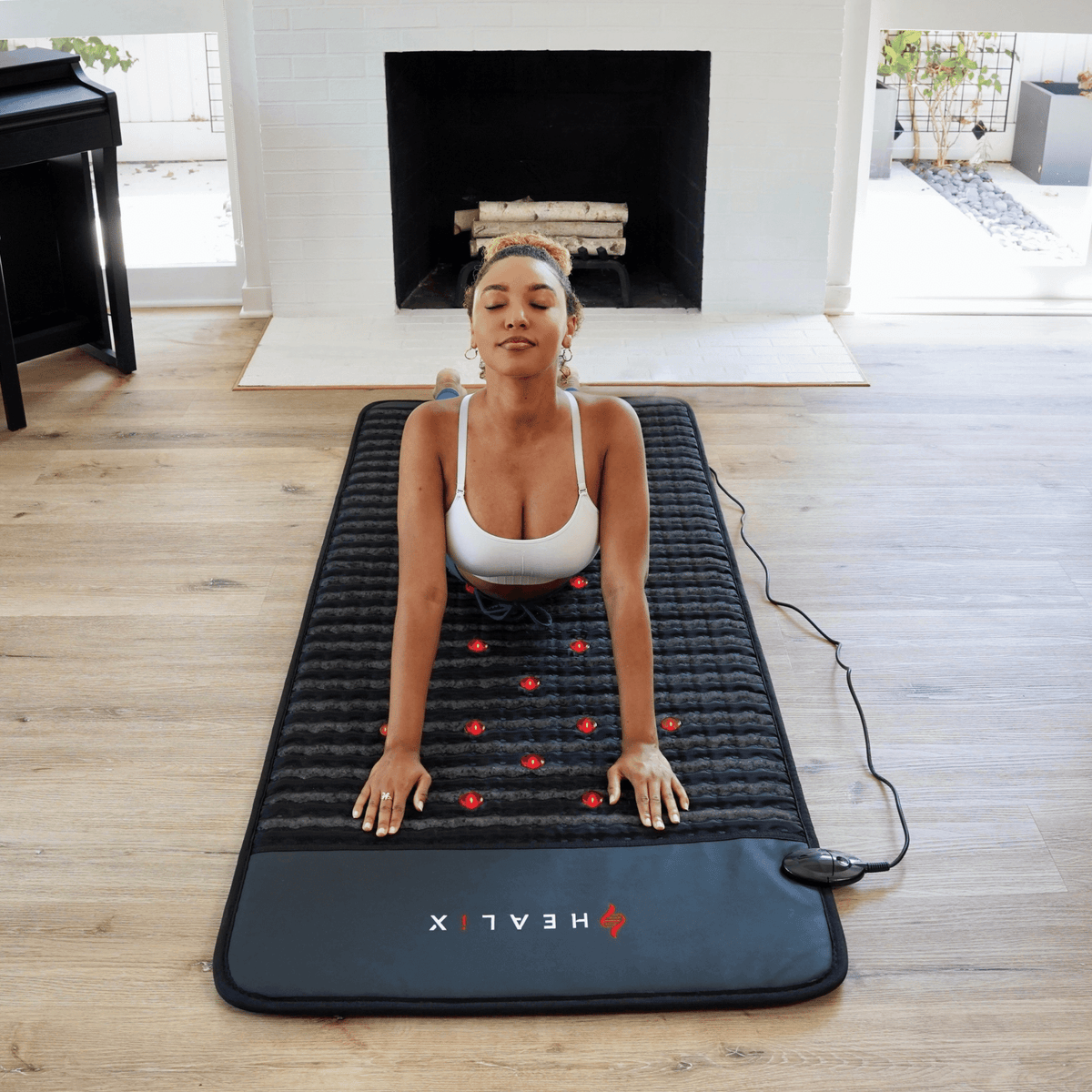
- Weeks 1 and 2: two sessions, gentle. Lower temperature, 15 to 20 minutes, ending while it still feels easy. The HEALiX blankets adjust from 77 °F in 2-degree steps and the Thera360 from 100 °F in 5s, so a very gentle session is available.
- Weeks 3 and 4: three sessions, normal heat. Work toward the temperature that produces a real sweat while letting you finish comfortably.
- From week 5: settle at three to five. Raise time before temperature, and stop adding when the schedule stops being sustainable. Four comfortable weekly sessions for a year beat six heroic ones for a month.
How long should each session run?
20 to 45 minutes for infrared formats, guided by feel more than the timer: a session should end pleasantly wrung out, not dizzy. Blanket sessions trend longer (20 to 60 minutes at moderate heat) because the format is gentler; tent sessions concentrate the heat and finish sooner. Lightheadedness is the end-now signal at any minute mark, and hydration before and after is non-negotiable either way.
Days worth skipping
- Dehydrated days. A sauna session is a fluid event; starting one behind is how headaches happen.
- Alcohol days. Never mix, in either order. This is the one hard rule in the category.
- Illness. Feverish or unwell means the body is already thermoregulating hard; do not add load.
- Right after brutal training. Gentle heat after easy training is a classic pairing; stacking a hard session on serious depletion is where people faint. Eat, drink, wait an hour.
People who are pregnant or managing heart or blood pressure conditions should talk to their clinician about whether and how often, before starting. Kove does not provide medical advice; see the medical disclaimer.
Can you sauna every day?
Adapted regulars commonly do, and the observational data includes daily bathers. The practical governor is recovery of the boring kind: fluids, electrolytes, and how you feel the next morning. Daily gentle sessions are more sustainable than alternating hard ones, and the moment sessions start feeling like a tax, the right move is a shorter, cooler week, not a quit.
Does frequency change by format?
The physiology is shared; the friction differs. A blanket's minutes-to-ready warm-up makes five weekly sessions realistic in a way a 45-minute cabin preheat never was, which is the quiet reason home infrared formats win on adherence. Mats sit at the gentle end and tolerate near-daily use by design. Whichever format, the blanket vs cabin comparison covers choosing, and pairing heat with cold lives in the contrast therapy guide.
Frequently asked questions
Is sauna every day too much?
Daily sauna is not too much for adapted users who hydrate and feel good on it. Build to it instead of starting there, and let the next morning's energy be the referee.
Is once a week worth anything?
Once a week is a pleasant session and a fine start. The associations in the research strengthen meaningfully at three-plus, so once a week is the on-ramp, not the destination.
Morning or evening sessions?
Either works: evenings pair naturally with sleep, since the post-session temperature drop helps you settle for the night. Mornings work too; consistency of slot beats the slot itself.
How long until regular sauna use shows anything?
The relaxed, slept-well effect is immediate. The adaptation effects build over weeks of regular sessions, which is the same 4 to 8 week patience window as most tools in this catalog.
Should sessions be spaced out or back to back days?
Spacing is preference, not physiology, at home intensities. Consecutive days are fine when hydration keeps up; the weekly count is what to protect.
Can I use HSA or FSA funds?
Saunas and heat therapy are among the categories that can qualify with a Letter of Medical Necessity, decided per order by an independent licensed provider through Truemed at checkout. The HSA and FSA page covers the flow.
Sauna frequency in brief
Three to five sessions a week, 20 to 45 minutes, built up over a month and held indefinitely. Hydrate, never mix with alcohol, skip the depleted days, and pick the format whose warm-up time your schedule will survive. The formats live in the sauna collection, free US shipping and the Price Beat guarantee included.