
Contents
More on Red Light
Red Light Therapy Beds for Home (2026): Prices, Pods, and What Affordable Means
What a red light bed costs, why pods and wraps are the affordable version for a home, full-body formats compared, and when a real bed makes sense.
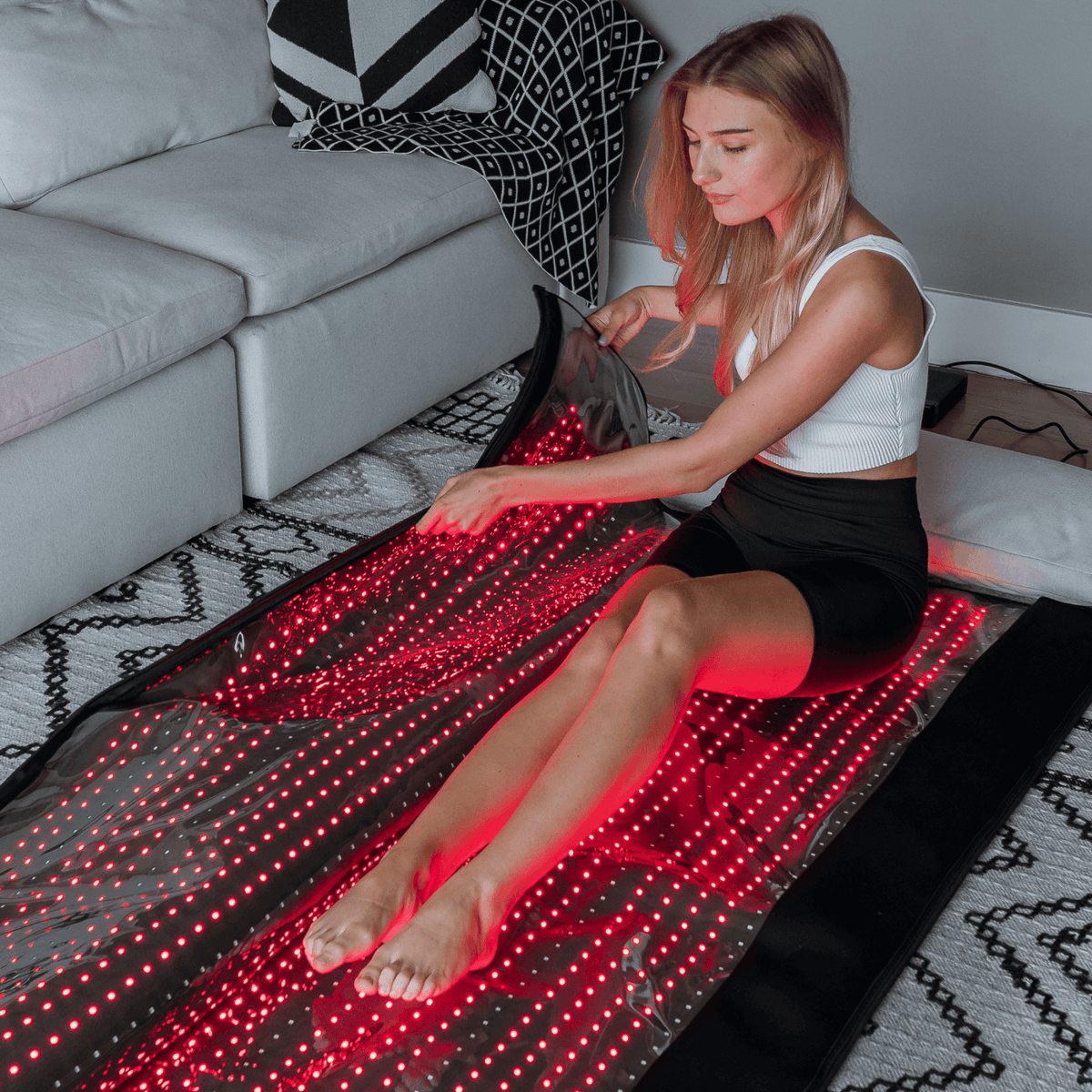
A true red light therapy bed costs $25,000 to $68,000, weighs 460 to 800 lb, ships by freight, and usually needs a 220 V circuit. For most homes the affordable version of a bed is a full-body pod or wrap: the HEALiX Glow Pod at $1,499.99, the HEALiX Elevate Light Pod at $1,599.99, or the MitoPOD wrap at $1,699.
This guide explains what separates a bed from a pod, a wrap, and a panel, which full-body formats fit a home, when a real bed makes sense, and what the research supports for whole-body light. Every number is the manufacturer's published spec. Prices as of November 2026; the product page is the source of truth.
What counts as a red light therapy bed?
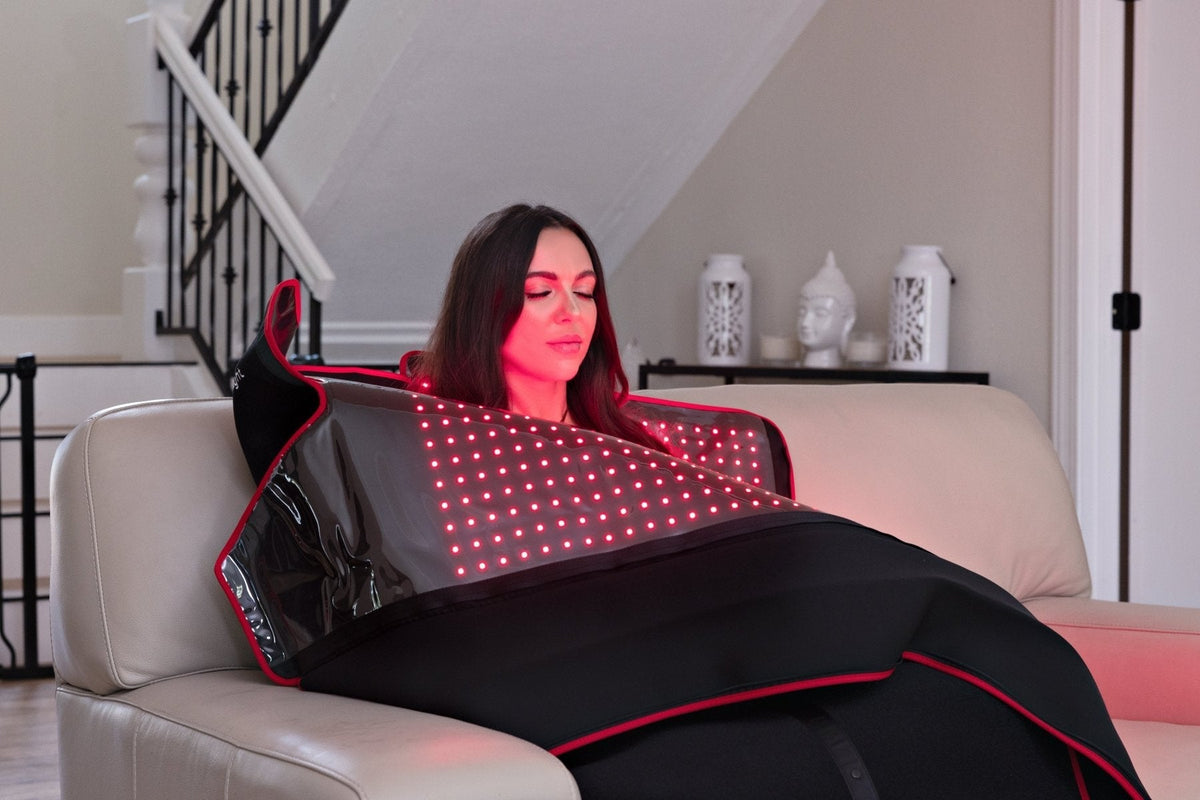
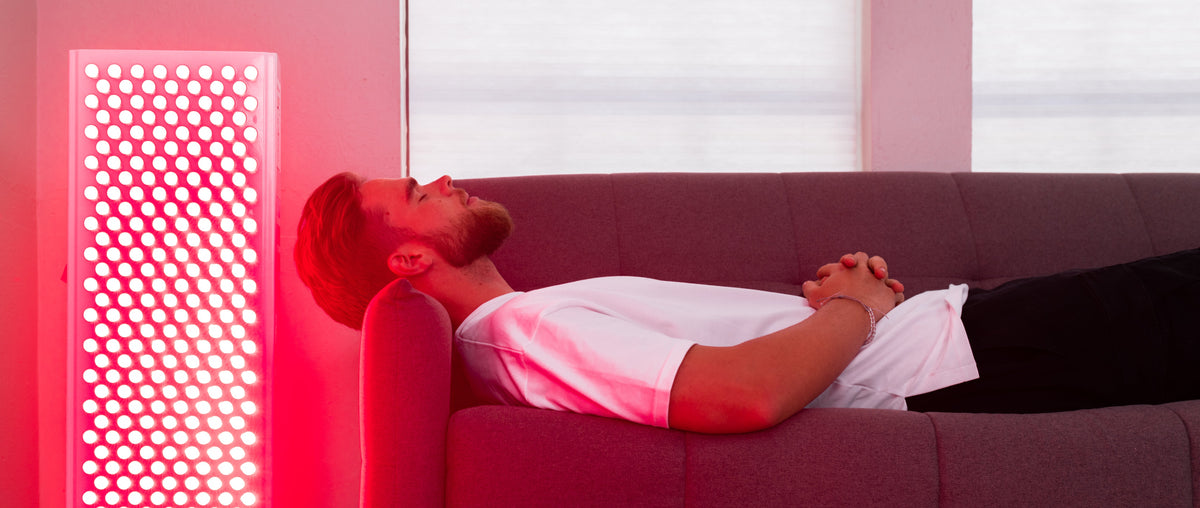
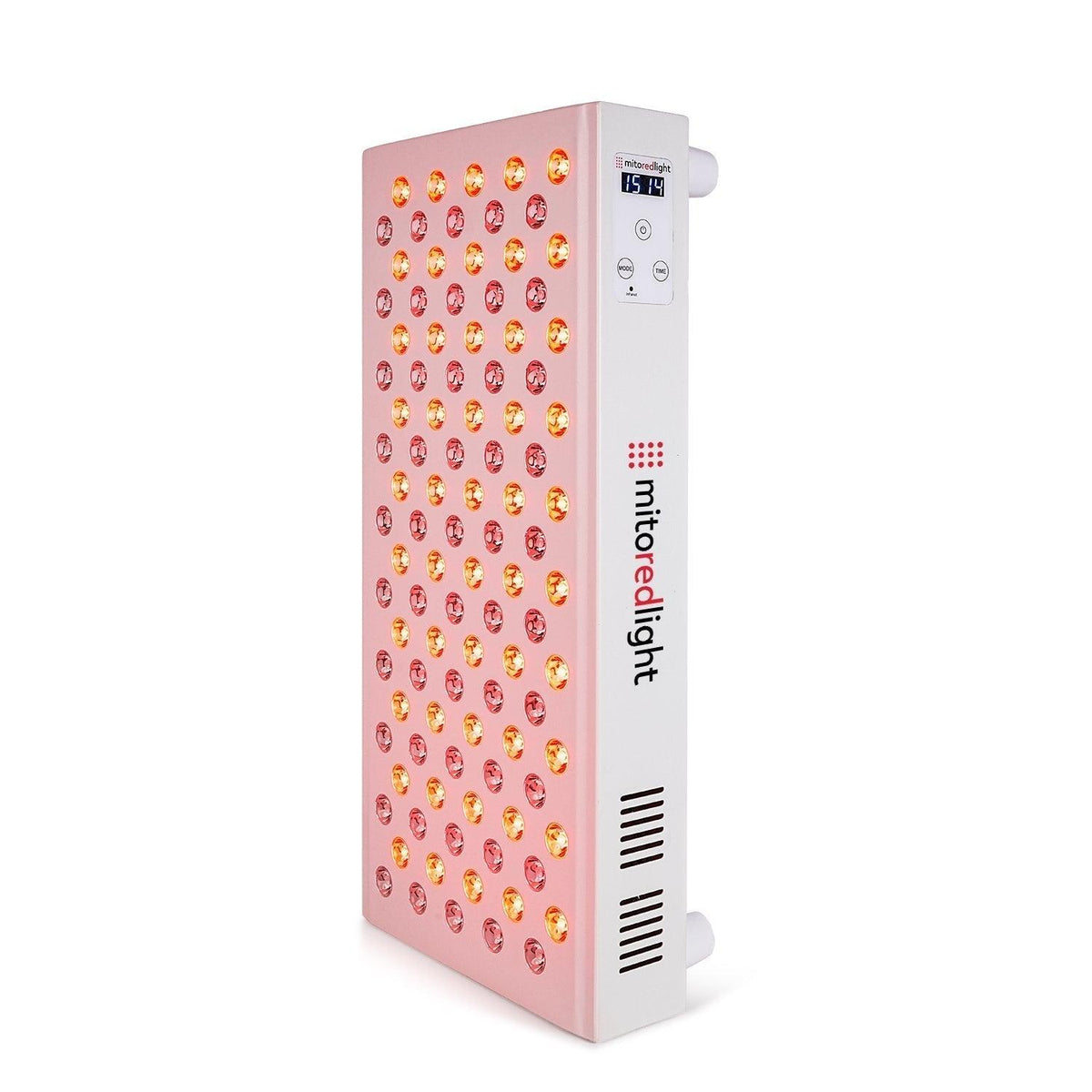
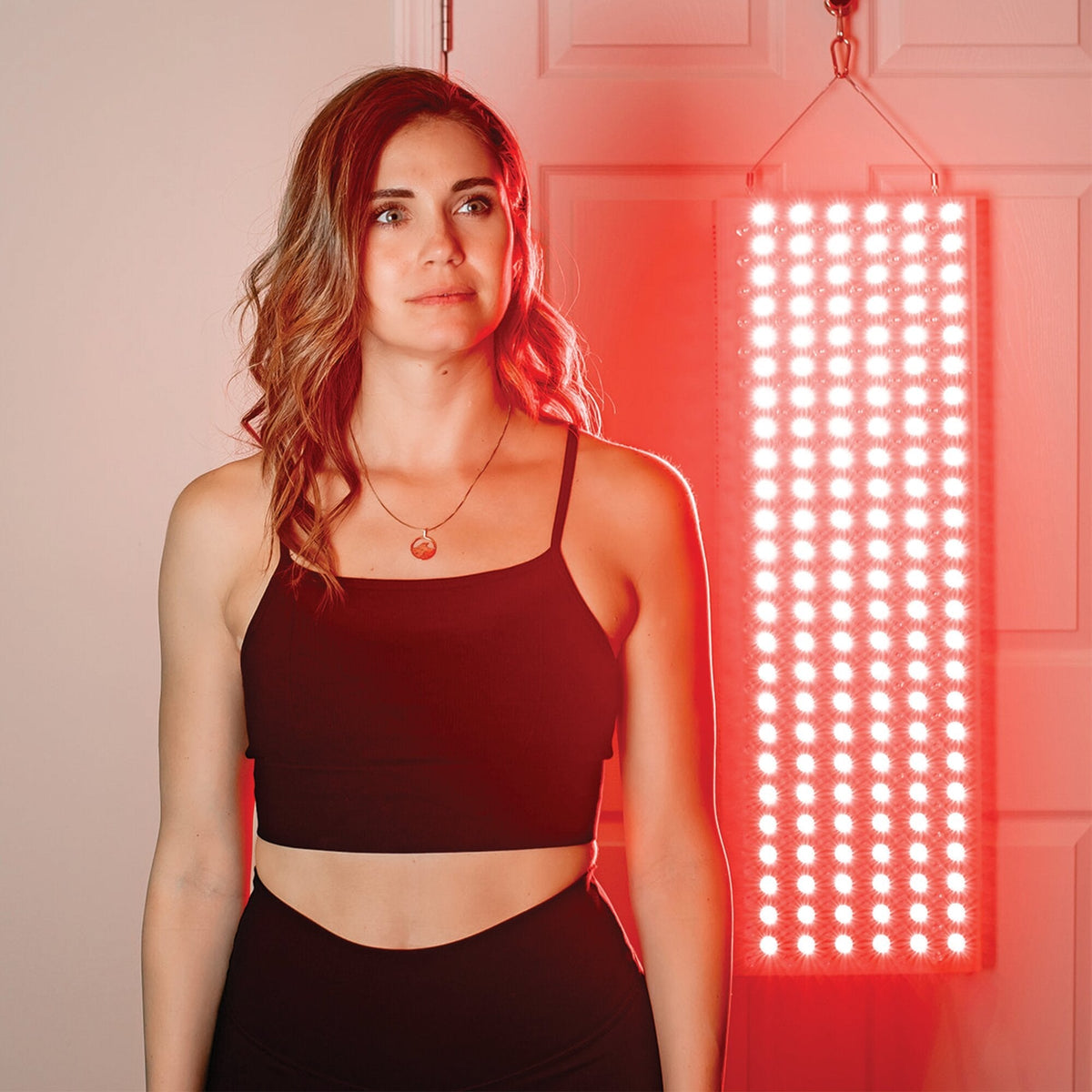
Four formats cover the whole body and get called "beds" in search results. A bed is a rigid clamshell or table-and-canopy unit you lie inside, built for clinics and serious home studios. A pod is a collapsible or flexible enclosure that wraps light around you. A wrap is a flexible LED blanket with the light on the skin. A panel lights one side at a time; panels are sorted in best red light therapy panels. The price gap between a bed and a pod is mostly steel, motors, and electrical work.
What is the most affordable red light bed for home?
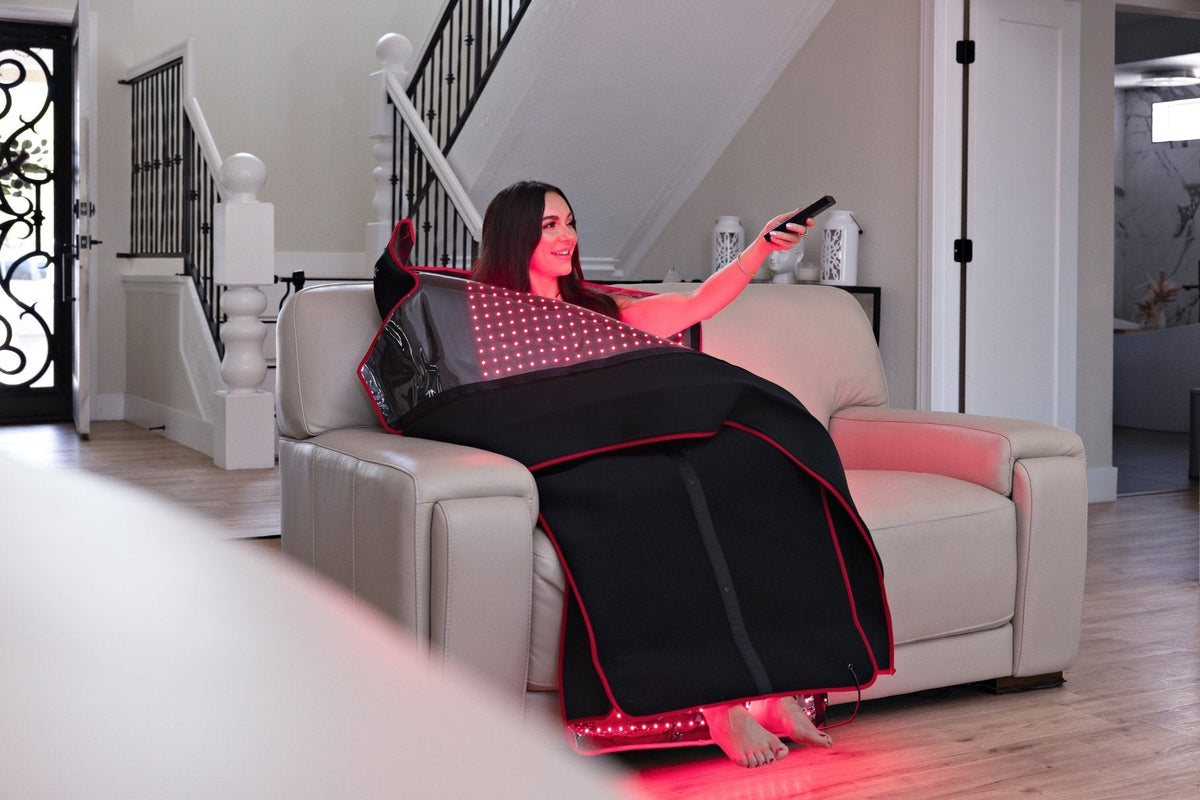
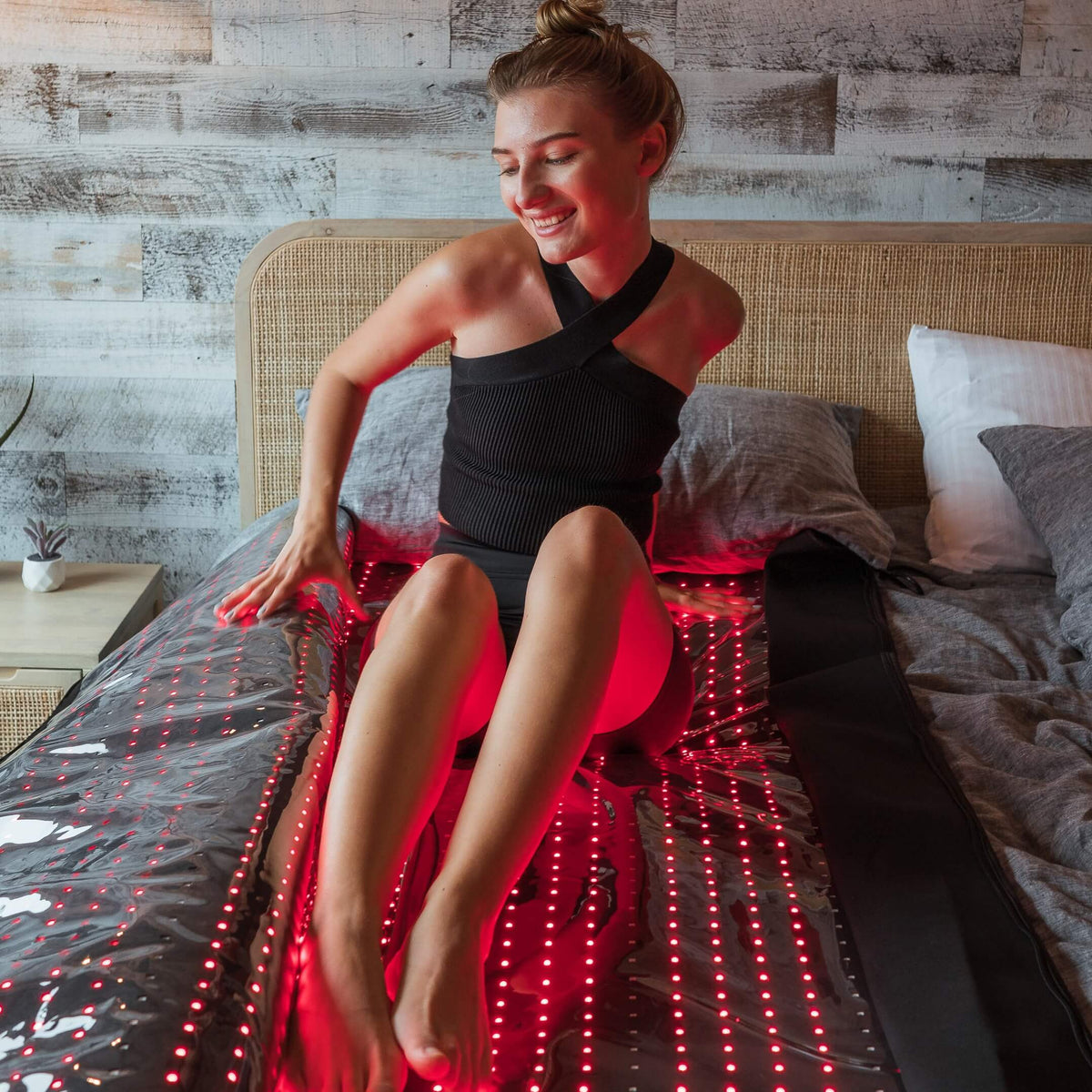
If "bed" means lying down and being covered, the affordable answer is a pod or wrap between $1,499.99 and $1,699: a normal wall outlet, 15 to 25 lb, folds away, and 30 to 149 mW/cm² at the surface because the LEDs sit on or just above the skin. A rigid bed starts at $24,900 for a single BioLight Adapt piece and runs to $68,000 before the electrician. For one or two people, the pod is not a lesser bed; it is the practical one.
Best full-body pod: HEALiX Glow Pod
HEALiX Glow Pod, $1,499.99. A collapsible, open-ended pod with 2,680 bulbs of 660 nm red and 850 nm near infrared in a 4:1 blend, up to 101 mW/cm² at the surface, 0 microtesla EMF, a BPA-free TPU liner, and a 20,000-hour LED rating. Unfolded it is 71 by 32 by 12 inches and 18 lb; sessions run up to 25 minutes on 350 W from a normal outlet. 2-year warranty.
Best high-output pod: HEALiX Elevate Light Pod
HEALiX Elevate Light Pod, $1,599.99. The same footprint and 2,680 bulbs, but with 10,720 chips, a 1:1 red to near infrared blend, up to 149 mW/cm² at the surface, and a programmable timer with adjustable intensity and pulse. That control is what the extra $100 buys: a lower setting for evening use and a dial for experimenting with pulsing. REACH, RoHS, CE, and FCC certified, 25 lb, 2-year warranty.
Best flexible wrap: MitoPOD
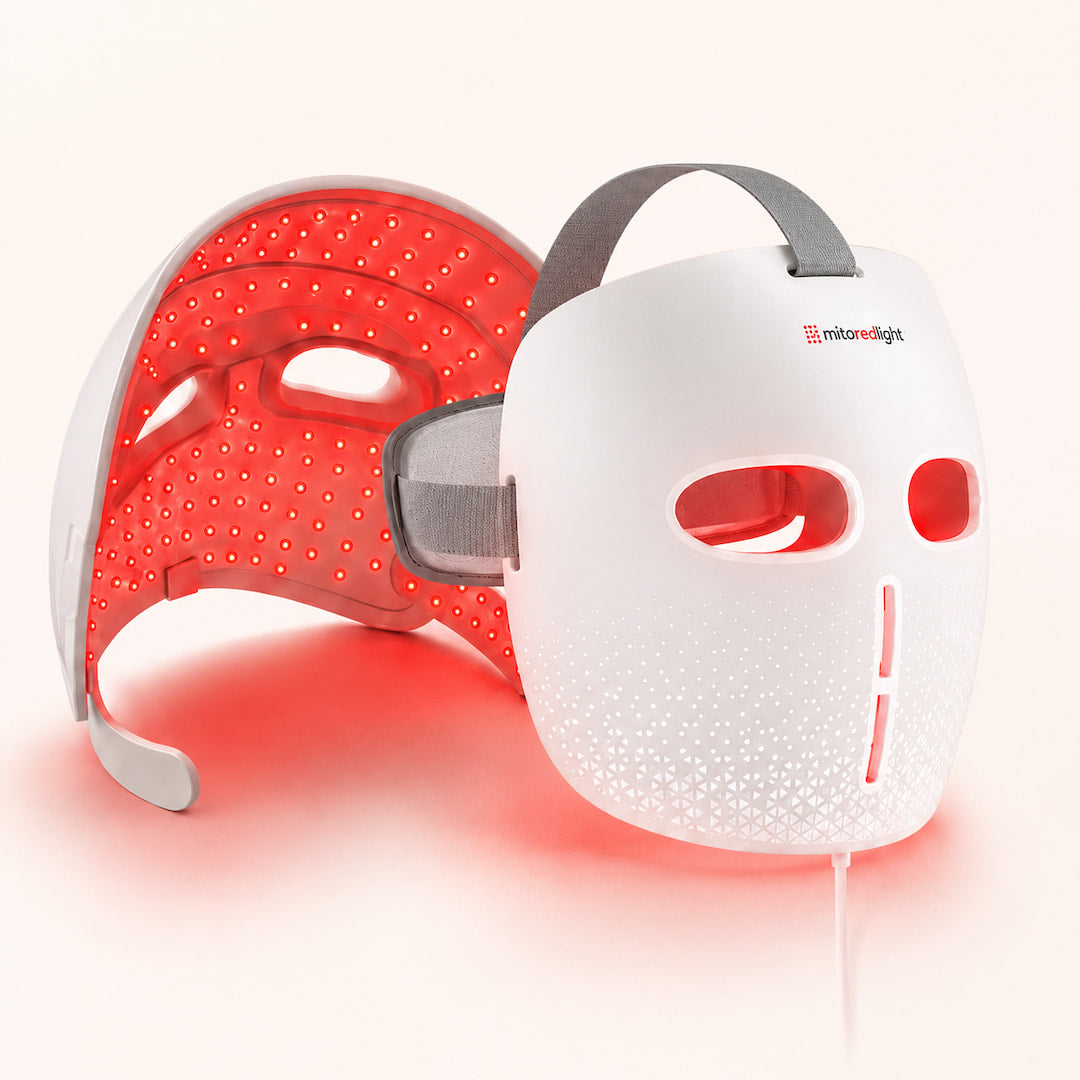
MitoPOD, $1,699. A neoprene wrap, 62 by 54 inches unfolded, with 2,320 diodes of 660, 810, and 830 nm, 30 mW/cm² at the surface, brightness from 1 to 100 percent, a 1 to 20 minute timer, a flicker-eliminated driver, and 0 to about 0.5 mG EMF above ambient. It draws 97 W, weighs 15 lb, is IEC 60601 certified, and carries a 1-year warranty. Lower surface irradiance than the pods, but the light is on the skin and it folds into a drawer. The long version is the MitoPOD review.
When does a real red light bed make sense?
When more than two people will use it daily, when a studio will charge for sessions, or when a ten-minute whole-body session is worth the floor it takes. The BioLight beds are made to order, ship by freight in about 12 weeks, and need a confirmed power supply: the Arc System, $25,000, a bed and panel pair on 110 V or 220 V; the Adapt System, $40,000, or $24,900 for the table or rotating panel alone; the Apex System, $58,000, 43,200 LEDs across five wavelengths at a peak of 129 mW/cm² on 220 V at 35 A; and the Helios System, $68,000, the same chassis with blue and green added. All four carry a 5-year warranty. Talk to our team before ordering any of them; power and space decide the purchase.
Full-body red light formats compared
| Device | Format | LEDs and wavelengths | Irradiance | Weight and power | Warranty | Price |
|---|---|---|---|---|---|---|
| HEALiX Glow Pod | Collapsible pod | 2,680 bulbs, 660 and 850 nm | Up to 101 mW/cm² | 18 lb, 350 W, wall outlet | 2 years | $1,499.99 |
| HEALiX Elevate Light Pod | Collapsible pod, adjustable | 2,680 bulbs, 660 and 850 nm | Up to 149 mW/cm² | 25 lb, 350 W, wall outlet | 2 years | $1,599.99 |
| MitoPOD | Flexible wrap | 2,320 diodes, 660, 810, 830 nm | 30 mW/cm² | 15 lb, 97 W, wall outlet | 1 year | $1,699 |
| BioLight Cocoon | 360-degree flexible pod | 3,600 LEDs, 660 and 850 nm | Third-party verified | 17 lb, 200 W, wall outlet | 3 years | $4,499 |
| BioLight Arc | Bed plus panel, freight | 2,992 LEDs, chosen at order | Up to about 60 mW/cm² | 463 lb, 2,700 W, 110 or 220 V | 5 years | $25,000 |
| BioLight Apex | Clamshell bed, freight | 43,200 LEDs, five wavelengths | Peak 129 mW/cm² | 794 lb, 6,000 W, 220 V 35 A | 5 years | $58,000 |
| BioLight Helios | Cabin-style bed, freight | 43,200 LEDs, four colors | 129 mW/cm² | 794 lb, 220 V 35 A | 5 years | $68,000 |
Irradiance is only comparable when the measurement method matches; see red light specs explained.
What does the research say about whole-body red light?
Most photobiomodulation research uses small, targeted devices, so whole-body claims lean on a few studies and on the mechanism. Wunsch and Matuschka's 2014 controlled trial in Photomedicine and Laser Surgery gave whole-body red and near infrared light twice a week for 30 sessions and reported improved skin complexion and collagen density against controls. Ferraresi, Huang, and Hamblin's 2016 review in the Journal of Biophotonics summarized muscle studies with recovery gains that varied by dose. Zein, Selting, and Hamblin's 2018 review in the Journal of Biomedical Optics is the caution: wavelength, irradiance, time, and distance all change the result, and more light is not reliably better. Whole-body light may support skin and recovery outcomes at sensible doses; the bed mainly buys convenience; nothing here treats a condition. The wider evidence is in what the research supports for red light. Wear the supplied eyewear and see the medical disclaimer; Kove does not provide medical advice.
Which full-body format should you buy?
- Lie down and be covered, under $1,500: HEALiX Glow Pod.
- The same pod with intensity and pulse control: HEALiX Elevate Light Pod.
- Light on the skin that folds into a drawer: MitoPOD.
- Front, back, and sides at once, no freight: BioLight Cocoon, $4,499, 3,600 LEDs, folds flat, 3-year warranty.
- A clinic, a studio, or a household of daily users: a BioLight bed, after a call about power and space.
Full-body red light devices may be HSA/FSA eligible with a Letter of Medical Necessity through Truemed, decided per order at checkout; see is red light therapy HSA or FSA eligible. Pods and wraps ship free in the US with the Price Beat guarantee and a 60-day return window; made-to-order beds cannot be returned once production starts.
Frequently asked questions
How much does a red light therapy bed cost?
A rigid red light bed costs $24,900 to $68,000 at Kove, plus freight and, for the Apex and Helios, a 220 V 35 A circuit. A full-body pod or wrap that does the same lie-down job for a home costs $1,499.99 to $4,499.
What is the best red light bed for home use?
For a home, the HEALiX Elevate Light Pod at $1,599.99: 2,680 bulbs of 660 and 850 nm, up to 149 mW/cm², adjustable intensity and pulse, and a normal wall outlet. If a rigid bed is the goal, the BioLight Arc at $25,000 is the entry point.
Is there an affordable red light bed for home?
Yes, if you count pods and wraps, which is what most people mean. The HEALiX Glow Pod at $1,499.99 and the MitoPOD wrap at $1,699 cover the whole body from a wall outlet and fold away. There is no rigid bed under $20,000 that we would put our name on.
Are red light beds worth it?
For a clinic or a household of daily users, the time saved per session can justify a bed. For one or two people, a pod delivers the same coverage for 5 to 10 percent of the cost, and the research does not show a bed produces a different result.
Are red light beds safe?
Red and near infrared at these doses are non-ionizing and well tolerated. Wear the supplied eyewear, keep to the 10 to 25 minute sessions the manufacturers specify, and ask a clinician first if you are pregnant, take photosensitizing medication, or are managing a skin or eye condition.
Red light beds for home, in brief
A bed is $25,000 and up, freight, and often 220 V. A pod or wrap is $1,499.99 to $4,499, a wall outlet, and a closet. For one or two people the pod is the right buy; for a studio the bed is. Everything in the Red Light collection comes with the Price Beat guarantee.