
Contents
More from the Journal
Air Purifiers for Smoke and Wildfire Season
Smoke is particles and gases at once, so it takes HEPA and heavy carbon together. How to run a purifier during fire season, and which units are built for smoke.
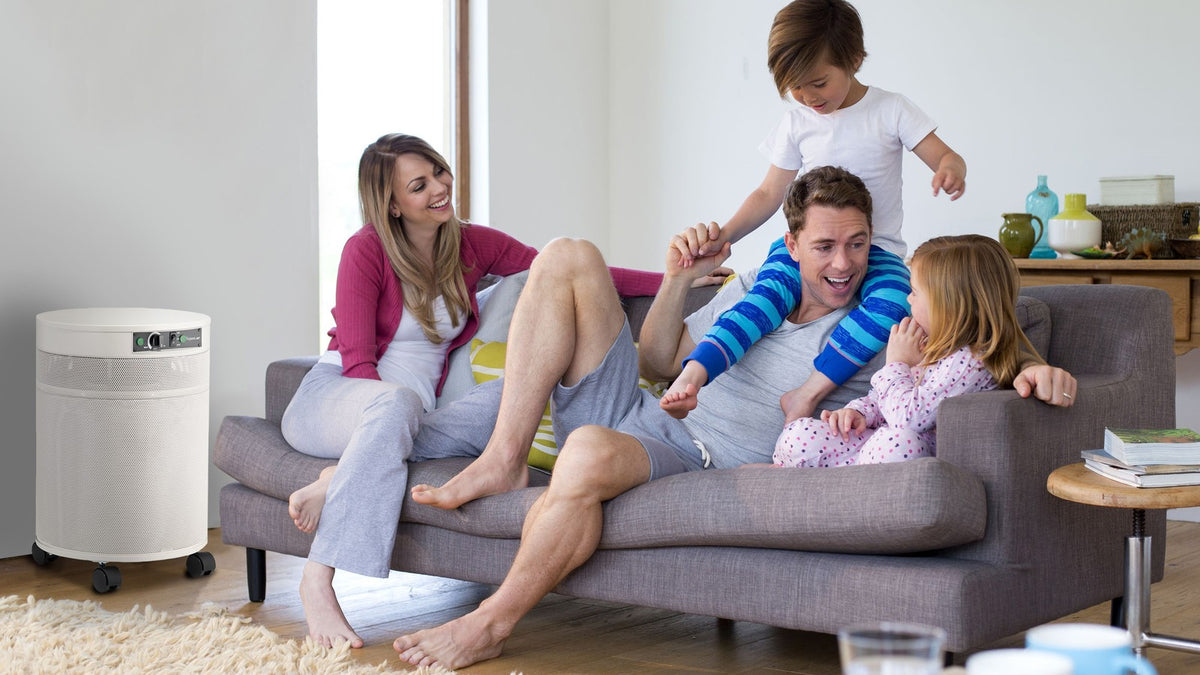
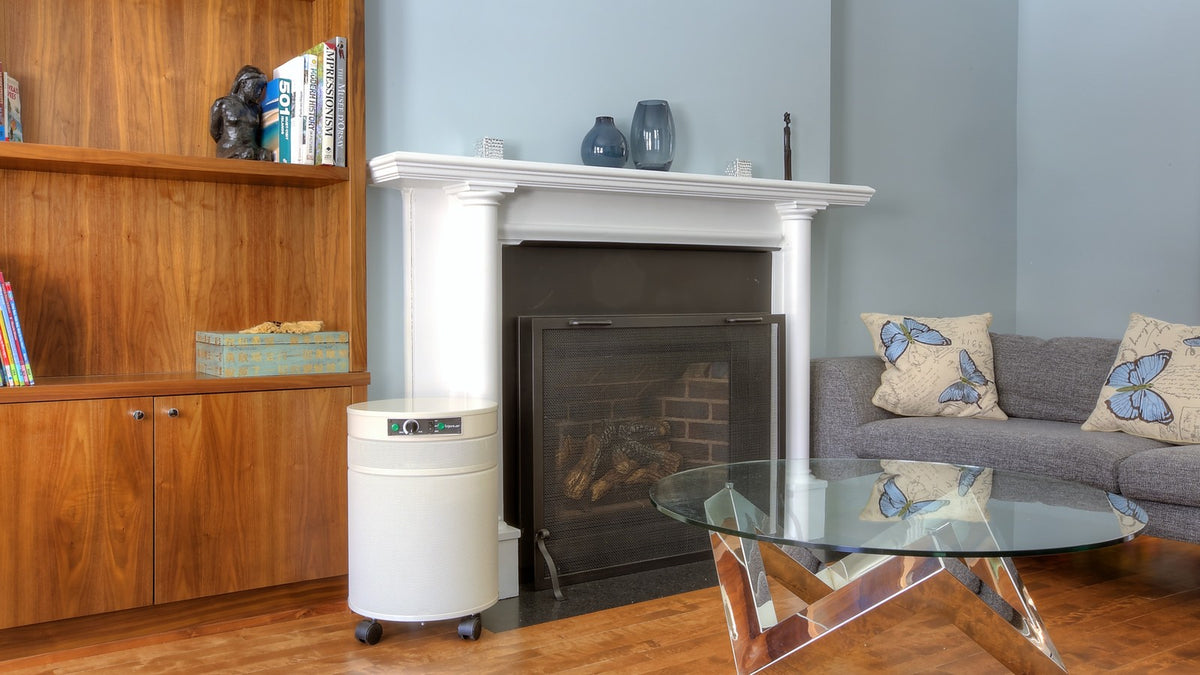
Smoke is the hardest job in air purification because it is two problems at once: fine particles small enough to reach deep into the lungs, and gases that pass straight through a HEPA filter. Handling it takes true HEPA plus a heavy activated carbon bed in a sealed unit, run continuously with the windows closed. Thin-filter purifiers remove the visible haze and recirculate the rest.
Wildfire season has turned smoke from a smoker's-house problem into an everyone problem, sometimes hundreds of miles from the fire itself. This guide covers what smoke actually is, how to run a purifier when it arrives, and which units are built for it. The broader picture lives in our clean air guide.
What is smoke, in filtration terms?
Two things traveling together. The first is particulate matter, mostly in the fine PM2.5 range, small enough to stay airborne for days and to penetrate deep into the respiratory tract; this is the fraction air quality indexes track during fire events. The second is the gas phase: carbon monoxide aside, wood and tobacco smoke carry hundreds of volatile organic compounds, which is why a room can smell of smoke after the haze is gone. HEPA captures the particles. Only activated carbon adsorbs the gases. A purifier that does one without the other is doing half the job, and the half it skips is the half you can smell.
What to run during a smoke event
- Close the envelope. Windows and doors shut, and skip anything that pulls outdoor air in, including window fans and swamp coolers. A purifier cannot outrun an open window.
- Run continuously, not in bursts. Smoke infiltrates constantly through the small leaks every home has, so the purifier's job is ongoing. Middle fan speed around the clock beats full blast for an hour.
- Prioritize one clean room. If one unit has to cover the house, put it in the bedroom and keep that door closed. Eight hours of clean sleeping air is worth more than a diluted effort everywhere.
- Skip the DIY ozone tricks. Ozone generators sold as smoke eliminators add a lung irritant to fix a lung irritant. Mechanical filtration plus carbon is the boring answer that works.
- Check filters after the event. A heavy smoke week loads filters far faster than normal duty. The TarBarrier prefilter exists precisely to take that hit before the expensive filters do.
Which units are built for smoke?
Prices as of September 2026; the product page is the source of truth.
| Unit | Why for smoke | From |
|---|---|---|
| Airpura T series | The smoke specialist: TarBarrier prefilter traps tar before it fouls the carbon, then a deep carbon bed and HEPA barrier handle gases and particles | $1,049.98 |
| Airpura R series | True HEPA plus a real carbon bed; the right answer if smoke is occasional rather than the defining problem | $849.98 |
| Airpura S series | The heaviest gas-phase carbon blend, for homes where the lingering VOC side of smoke is the main complaint | $1,049.98 |
All three run the same sealed 600-series platform covering up to 2,000 square feet, and every replacement filter is listed with its price in the filters collection. For a room-by-room comparison, the clean air guide has the full series chooser.
Does a purifier actually keep up during a fire event?
A correctly sized, sealed unit measurably drops indoor PM2.5 during smoke events; that is exactly what HEPA filtration is for, and it is among the best-documented results in consumer air quality. What it cannot do is fix an open building envelope or an undersized match: a small bedroom unit asked to clean a smoky open-plan house will run flat out and lose. Size to the real space, or shrink the space you are defending to the room that matters most.
Frequently asked questions
Do air purifiers work for wildfire smoke?
Yes, for the indoor fraction: a sealed true HEPA unit with real carbon measurably reduces indoor smoke particles and the gases behind the smell, provided windows stay closed and the unit matches the room size.
What filter removes smoke smell?
Activated carbon. The smell is gas-phase VOCs, which pass through HEPA untouched. Carbon bed weight is the spec that decides how much a unit can adsorb and for how long.
What fan speed during a smoke event?
Continuous middle speed as the baseline, higher when smoke visibly intrudes. Continuous operation matters more than peak speed, because infiltration never pauses.
How long should the purifier run after the smoke clears outside?
A day or two longer than your nose suggests. Off-gassing from fabrics and surfaces continues after the visible event, and the carbon stage is what handles it.
Does cigarette smoke need a different unit than wildfire smoke?
Same two-part problem, heavier tar load. That is what the T series' TarBarrier prefilter is for: it catches tar that would otherwise clog the carbon bed early in a smoking household.
Can I use HSA or FSA funds?
Air purification is among the categories that can qualify with a Letter of Medical Necessity, decided per order by an independent licensed provider through Truemed at checkout. Our letter of medical necessity guide explains the document.
The short version
Smoke needs HEPA for the particles and heavy carbon for the gases, in a sealed unit, run continuously behind closed windows. Pick the T series if smoke is the defining problem, the R series if it is one problem among several, and size to the real room either way. Free US shipping and the Price Beat guarantee on the whole collection.